I agree with everything Chenault had to say on the subject. I have been using mids for years, starting with a Chouinard in the early 80's.
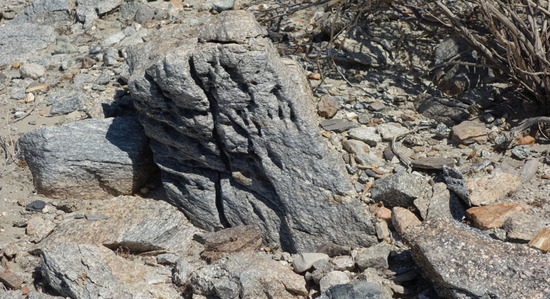
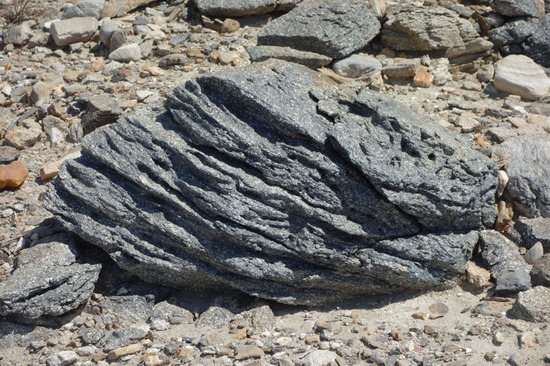
I have done a lot of testing of mids in windy weather. If you have hiked the PCT, the two windiest parts you experienced were probably Fobes Saddle and the San Gorgonio Pass. About 10 miles south of the PCT in the San Gorgonio Pass is Garnet Hill. It is the windiest place in the pass, as the wind accelerates as it approaches the hill. The wind and sand actually carve groves in the rocks, creating what are called ventifacts (see below)


This is where I test my shelters, also the soil is sandy. If the wind is too strong, it will strip paint from cars and turn windshields opaque, which means those days are not good for testing. In this case I go up to Fobes Saddle, which can be incredibly windy when a high pressure storm is moving towards a low pressure system in the desert (this area of the PCT has been closed for almost 2 years due to the Mountain Fire).
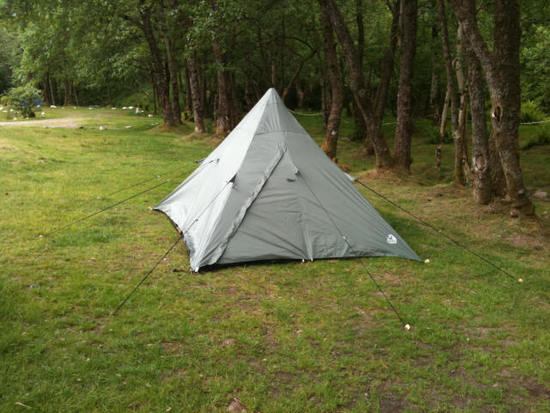
The best mid for wind is the TrailStar — hands down. The large footprint will keep you dry in heavy rain, assuming you picked a good spot to pitch it. The large foot print can also be problematic — it can sometimes be difficult to find a large enough spot to set it up. The TrailStar is not easy to get in and out of for many people, it is fine for me.
Pole strength and secure stakes, especially at corners of any mid are critical. Forget Ti hooks for corners. Big rocks are your friends. I generally use Ground Hogs, Long Easton Stakes, or even snow stakes in some sandy areas. Sometimes a 'deadman' is the best solution.
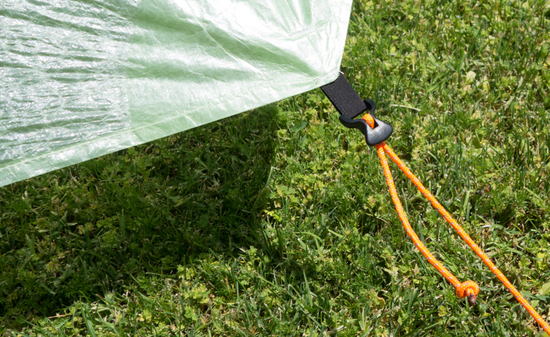
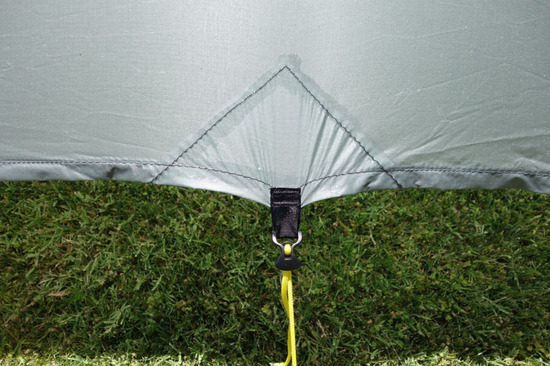
I have grown to like the LineLoc 3's in bad weather. Quick and easy set up — easy to adjust. In bad wind, 2mm and 2.5mm cord will slip in the LineLocs. I have replaced all the lines on all my shelters with 3 mm GlowWire from Lawson Kline for this reason.
Heavy snow is a problem with mids, and the TrailStar doesn't do as well as the taller mids. So, I would not call a mid a serious 4 season shelter for this reason.