


Every year, we poll our staff to make the hard decision of picking their favorite ultralight gear of the year – the best backpacking gear that makes it into their packs over and again on their wilderness adventures.
What Makes for the Best Backpacking Gear?
What a loaded question! The short answer is that
The best gear is in the eyes of the beholder.
First of all, and this should be a no-brainer for this audience: it has to be light.
Specifically, it should have a high “performance-to-weight ratio”. A 3 oz piece of equipment may seem light, but if it’s a toothbrush, forget it. On the other hand, a 100 pound piece of equipment may seem heavy, but if it’s a rocketship that can take you to a New Zealand Trailhead, then it’s all of a sudden lookin’ pretty light, right?
The longer answer, and one that we often use as a litmus test (especially for our Staff Favorites series) is that the best ultralight backpacking gear is the gear we grab over and again, trip after trip.
The normal qualifiers, of course, must be disclosed:
- What works for us may not work for you;
- Hike your own hike;
- Your mileage may vary.
As we assembled this year’s best/favorite gear picks and talked to others about their best/favorite gear, here are some of the (possibly emerging) trends we’ve been noticing:
- There are now no less than four manufacturers of wood-stove-heated-shelter systems that are light enough for backpackers. On paper, it doesn’t make a lot of sense for an ultralight backpacker to carry four to six pounds worth of shelter and wood stove when they could carry a lightweight tent for less than two pounds. But we’ve yet to spend a night with anyone in an ultralight, fire-heated nylon shelter that has yet to exclaim: “OMG: This is awesome.”
- Big, interchangeable lens cameras (i.e., DSLRs) continue to fall out of favor among the ultralight backpacking community. Large sensors and quality zoom optics packed into compact camera bodies with sealed (non-interchangeable) lenses have transformed ultralight photography for us, giving us magazine-publishable image quality in lightweight, cheap packages.
- Some old standbys still work just fine. When somebody creates a well-engineered version of an otherwise boring product, we notice, whether it’s a titanium tent stake or line (i.e., rope, cord) that glides smoothly over branches for bear bag hanging.
- As technology becomes increasingly reliable, new versions of old products are released, and costs go down. That means we’re going to continue to see tech make its way into our kits. This year, it’s water treatment, satellite tracking, and a camera – and in all three cases, mature variations of tech products that have been around for awhile. So while you may not be keen on Version One of some new tech gadget, give it some type and keep the idea in your back pocket.
Summary Table: Staff Favorites of 2015
| Doug Johnson | LiteOutdoors Titanium Stove- 18″ | The Epiphany Outdoor Gear V3 Pocket Bellows | Lawson Outdoor Equipment UltraGlide Bear Line |
| Roger Caffin | Canon G15 camera | Vargo Titanium Wire Stakes | SteriPEN Adventurer Opti & Classic3 UV systems |
| Kevin Sawchuk | BPL 1100ml Titanium Pot + Trail Designs Mini Caldera Cone/Sidewinder | SPOT Gen3 Tracker | ULA Circuit Pack |
| Dave Chenault | Seek Outside BT2 shelter | Black Diamond Mont Blanc gloves | Patagonia Infant Clothing |
| Eric Vann | Buff | Patagonia Houdini Windshirt | Oware 10×14 Flat Tarp |
| Ryan Jordan | Hyperlite Mountain Gear Dyneema Summit Pack | Helinox Ground Chair | Bluewater Titan 5.5mm Dyneema Cord |
Doug Johnson
Lite Outdoors Titanium Stove- 18″
- $250
- 2.5 lbs (1.1 kg)
- Buy Now
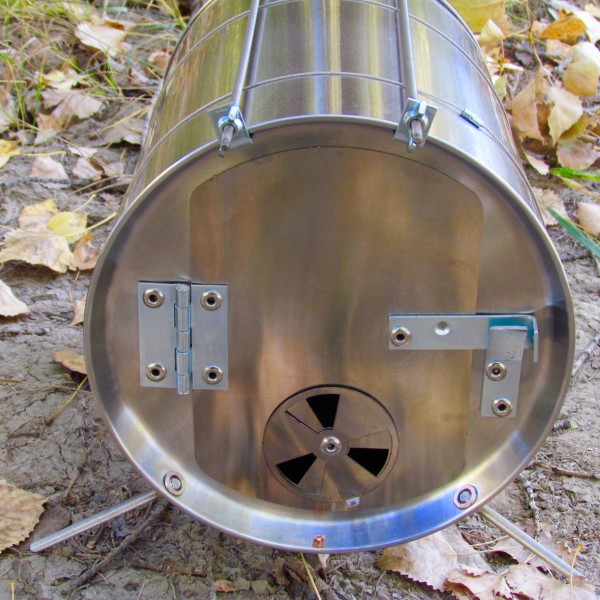
In 2015, I discovered the joy of backpacking with a wood stove. On a recent trip to the Washington coast with its (typical) cold rain, having a wood stove to keep us warm and dry was a joy!
At just under 2 1/2 pounds, the Lite Outdoors wood stove may not be the lightest wood stove on the market, but it’s well within the range of what we care about here at BPL! At $250, it strikes a balance between weight and cost; plus, it’s voluminous – 18″ deep – which gives room for large pieces of wood. It has a damper and a real door with an adjustable vent that works extremely well. I love this stove, and I can’t wait to take it on more basecamp-style backpacks this winter!
The Epiphany Outdoor Gear V3 Pocket Bellows
- $15
- 0.75 oz (21 g)
- Buy Now
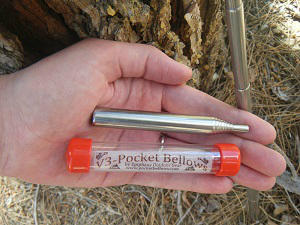
The Epiphany Outdoor Gear V3 Pocket Bellows is an effective firestarting tool (and not all are). In a nutshell, it’s an extendable metal breathing tube used for directing air into the infant flame of an early-stage fire. Its length extends from 3.5 inches to 21 inches and it directs air with careful precision (even through the tiny vent of my wood stove).
Lawson Outdoor Equipment UltraGlide Bear Line
- $15 per 50-foot line
- 1.65 oz (47 g)
- Buy Now
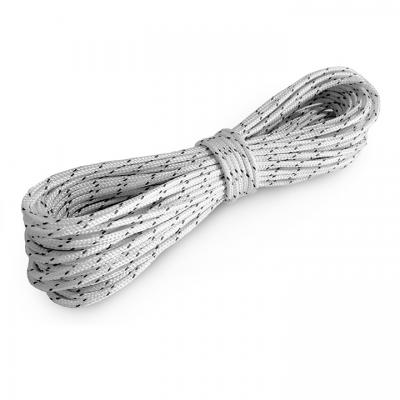
Lawson’s UltraGlide Bear Line slides easily across the surface of branches when hanging a bear bag. Compared to my old cord, the friction is significantly reduced, making it far easier to hang heavy bags when using the PCT method. It’s available in both reflective and non-reflective versions. Check it out if you live in softwood (e.g., pine) country and/or have to hang bear bags in the rain, which further softens wood and increases the risk of cord cutting into the branches and getting stuck / damaging the tree.
Roger Caffin
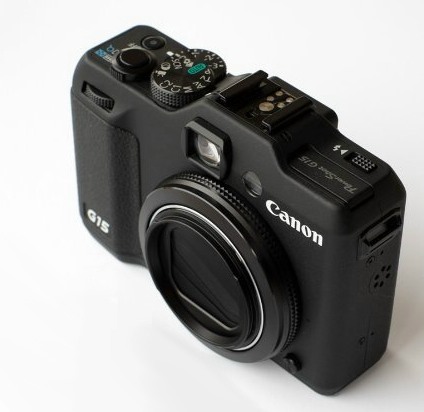
Canon G15 camera
- $450
- 12 oz (352 g)
- Buy Now (new model: G16)
I won’t give a technical review of the Canon G15 here: you can find lots of them (e.g., see DPReview). The G15 supports Canon’s reputation for an easy-to-use interface. It has more controls and ‘features’ than I use, but it gives me everything I loved about my old OM-2 SLR cameras, and at 352 g with battery and memory card, it is much lighter.
I will add three of my perspectives about cameras:
First, they are no use safely buried in your pack (where most dSLRs seem to live). Mine rides on the shoulder strap of my pack in a showerproof fast-access pouch (MYOG naturally). I can get it out one handed, turn it on and press the shutter while walking in seconds.
Second, unlike film cameras, taking a photo is FREE. There is no cost for film and developing. So I take lots of photos while walking.
Third, the Canon G15 has some decent glass out front, unlike so many phone cameras (which IMHO produce crappy images – and seem mainly designed to take selfies).
Editor’s Note: The G15 has been replaced by a new model, the G16, as of the time this article was published.
Vargo Titanium Wire Stakes
- $3.25 ea.
- 0.2 oz (6 g) per stake
- Buy Now
There’s an enormous range of tent stake types, materials, shapes, and weights on the market.
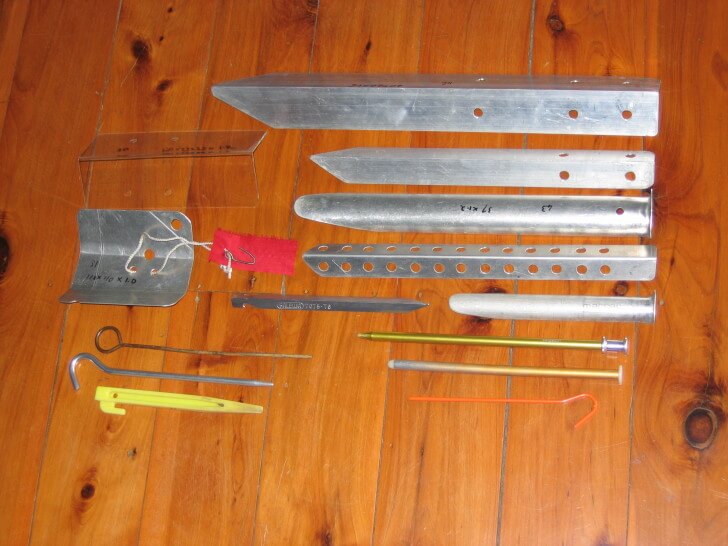
The photo above shows a (rather weird) collection of mine, including the ubiquitous Chinese Tent Stake (CTS) which is mostly copied from the small silver (Salewa) one in the middle (you get bags of them free with made-in-China tents).
But it doesn’t matter, as most of these are just excess weight in comparison with the small orange Ti wire stake at the bottom right-hand corner. That one weighs a whisker over 6 g, and was the very first titanium stake ever to have a powder-coated hi-vis orange coating. The manufacturer? Backpacking Light of course! But now we’re out of the gear making business and other manufacturers are filling in the gap, like Vargo Outdoors.
In all my years of camping, I don’t think I have ever had a Ti wire pull out. Now there have been times when I have plonked a large, heavy rock on top of a stake, but rocks don’t cost pack weight! Equally, there have been times when camping in sand when I haven’t bothered getting the wires out of my pack: instead, I have just used some large dead sticks, burie d as deadmen anchors. But once again, those sticks have zero pack weight.
What I do not like about all of the fancier modern extruded aluminum stakes, apart from their weight, is that most of them (especially the Chinese ones) have sharp (“unfinished”) corners at the top. They hurt my hands when I try to push them into hard soil. Couple that with the fact that they are harder to pull out compared to Ti wires. Ti wire stakes just work.
SteriPEN Adventurer Opti & Classic3 UV systems
- Weights (3-4+ oz) and cost ($100+) depend on model
- Buy Now
I have used filters and gotten desperately ill from the viruses that passed through one filter (a long story I won’t bore you with here). I have used chemicals, and had to wait 4 hours for them to be effective (in cold weather), and I disliked the smell and taste anyhow. And yes, I have had Giardia.
Enter UV water treatment, as used by many municipal water treatment plants and the military, and which fully meets EPA requirements. No smell, no taste, no wait (well, 60 seconds), and lightweight. The one problem is that current implementations all use a Philips germicidal UV tube, which is a bit power hungry.
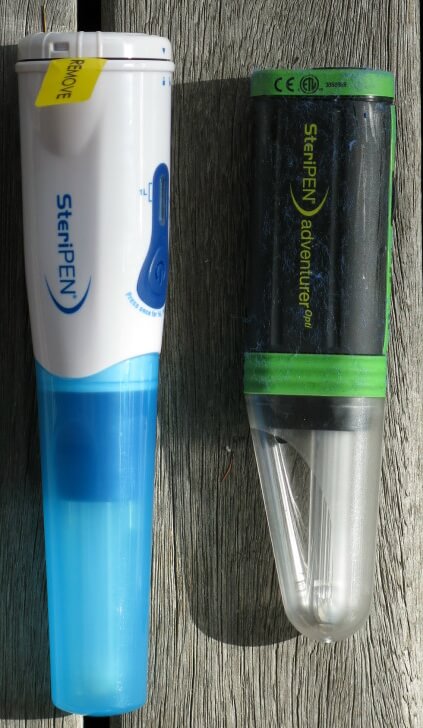
Some of the UV units on the market are a bit dangerous: they don’t protect your eyes. Some rely on embedded rechargeable batteries, which never last as long as they are meant to. But these two units are compact, light and reliable, and I use them. We have reviews of SteriPEN Opti and SteriPEN Classic.
Editor’s note: the excitement we have for this category makes us giddy. Most of the technologies that are around the corner in the UV pen category are very exciting! We have been embargoed from revealing too much info, but you should be able to glean some clues from the headlamp market…
Kevin Sawchuk
BPL 1100ml Titanium Pot + Trail Designs Mini Caldera Cone/Sidewinder
- The pot is no longer available
- $34.95 for the Mini-Caldera Cone system
- 3 oz (85 g) for BPL 1100 ml Pot – 1 oz to 2.8 oz (28 g to 78 g) for Trail Designs Mini-Caldera cone system, depending on configuration
- Buy Now
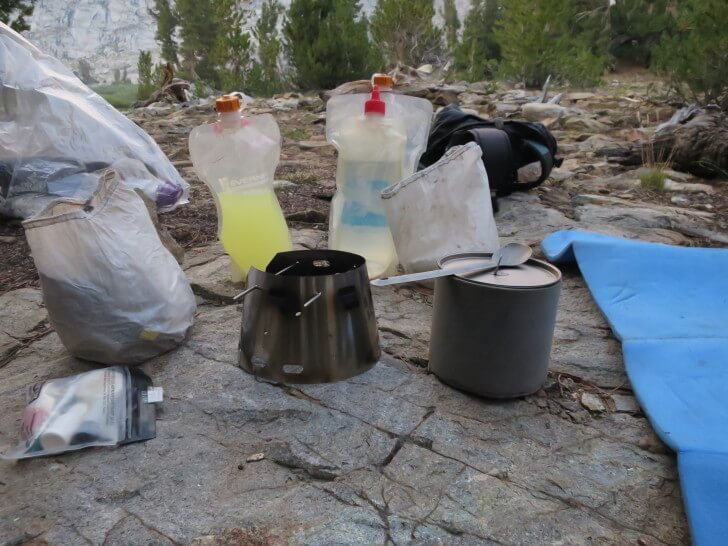
Perfect for efficient Esbit or alcohol cooking in a variety of weather and wind conditions, the Trail Designs Mini-Caldera Cone packs away inside the pot for protection and packing efficiency. It also provides excellent wind resistance for fuel efficiency. Although it’s not optimized for wood, wood can be used (with the titanium version) in a pinch by elevating the cone on a couple of rocks to improve airflow underneath the cone.
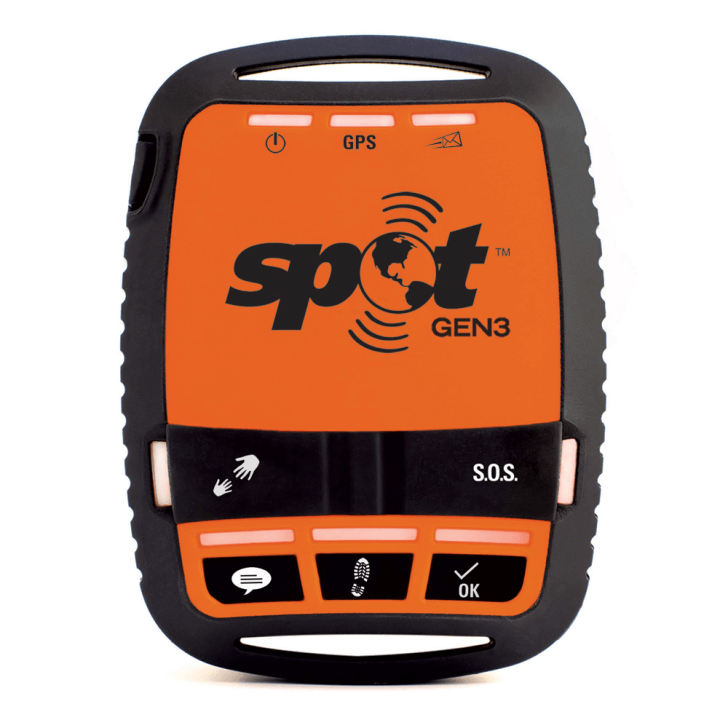
SPOT Gen3 Tracker
- $99 annual fee
- 4.0 oz (114 g)
- Buy Now
I’m not a fan of technology in the backcountry, but the SPOT tracker keeps my family comfortable with my excursions and adds an additional level of safety for me.
It offers two custom programmable messages as well as separate “help” and “SOS” messages. The annual fee is $99/year, and a rebate makes the device cost zero! For an additional $50/year it will automatically send messages every 10 minutes (the “Spotcast” feature). Battery life is excellent, and the weight and form factor minimizes its interference with my minimalist style.
ULA Circuit Pack
- $235
- 2.6 lbs (1.2 kg)
- Buy Now
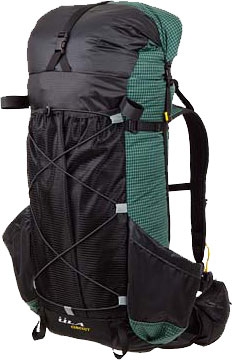
In my opinion, the ULA Circuit offers the best balance of weight, durability, and features for long trips (including difficult off-trail travel) than any pack on the market today.
The Dyneema ripstop fabric resists abrasion and puncturing sticks. The waistbelt pockets keep snacks handy so I can keep moving. The side water bottle pockets keep water accessible on the go. Although I’d love to have a floating lid to keep more small gear handy, keeping a small stuff sack on the top, inside the main pack bag, works nearly as well. Mine has more than 100 days of use and is still (with a few patches…) going strong!
Dave Chenault
Seek Outside BT2
- $229
- 25 oz (709 g)
- Buy Now
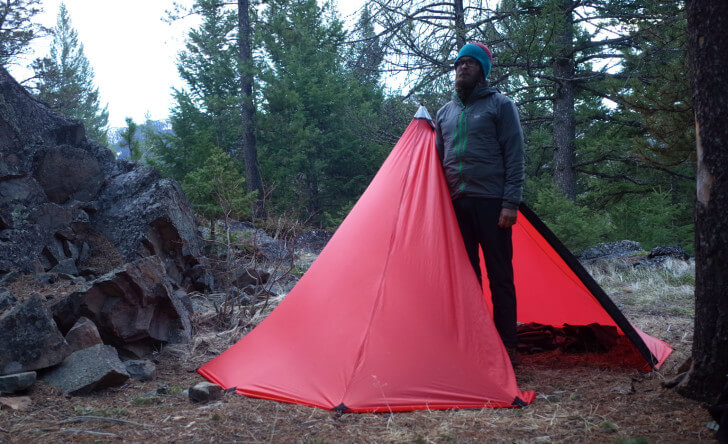
The Seek Outside BT2 is not the lightest mid, nor the most spacious, but it stands out for its simplicity, aesthetics, ease of use, quality construction, and exceptional weather resistance. I’ve used quite a few mids over the years, and for solo and two-person use, this is simply my favorite.
Black Diamond Mont Blanc gloves
- $19.95
- 2 oz (57 g) a pair
- Buy Now
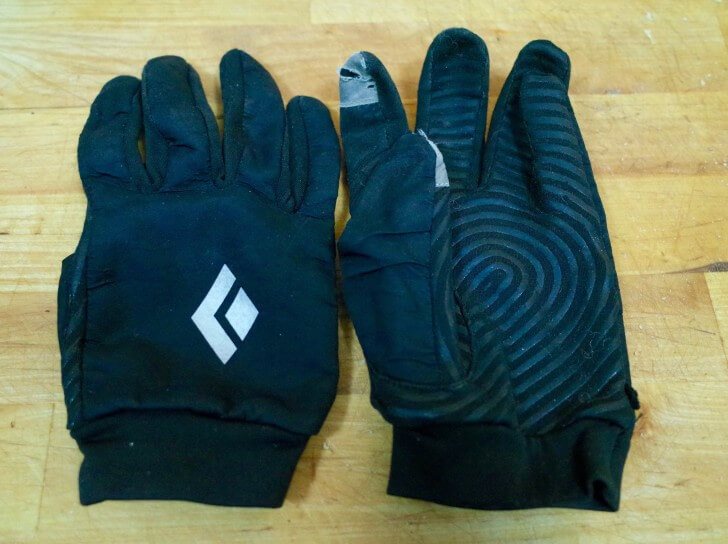
I loathe gloves, but they’re often a necessary evil, and the Mont Blancs offer the most weather protection for the weight of any gloves I’ve used, with excellent dexterity to boot. Durability is merely average, but the price is reasonable, and for the last year I’ve worn nothing else unless the temps are truly frigid. Get a few pair, along with some big fleece mitts and waterproof overmitts, and you’re set for almost all circumstances.
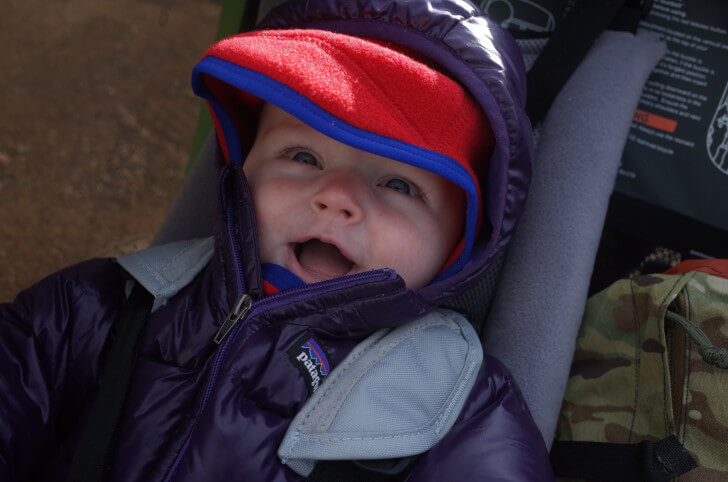
Patagonia Infant Clothing
- Various weights and costs
- Buy Now
Backpacking became more complex and fear-inducing in a way it hadn’t been for years this summer when Meredith and I welcomed our son into the world.
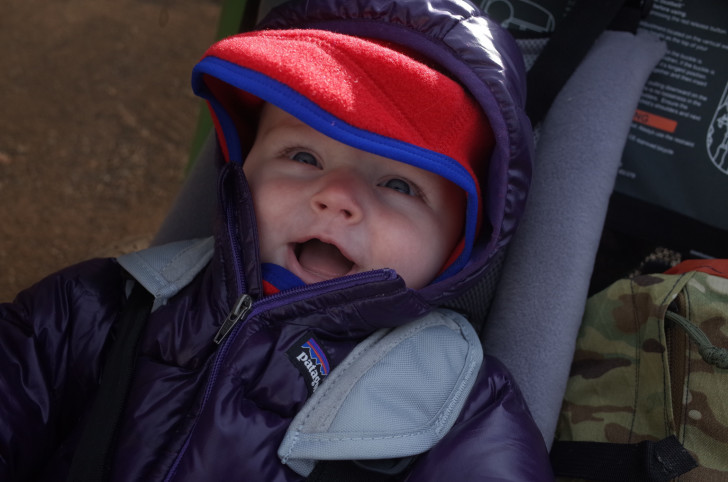
He’s proven to be an excellent hiking, biking, hunting, and skiing companion, and Patagonia’s fabulous line of infant clothing makes that a lot easier. Favorites include the Capilene onesies and pants, off which drool dries quickly, and the sadly discontinued (for the moment?) Synchilla Bunting, whose dual leg zips facilitate quick diaper changes that keep the kid warm.
Editor’s Note: Did you ever imagine Dave C saying the word “onesie” in the context of a product review?
Eric Vann
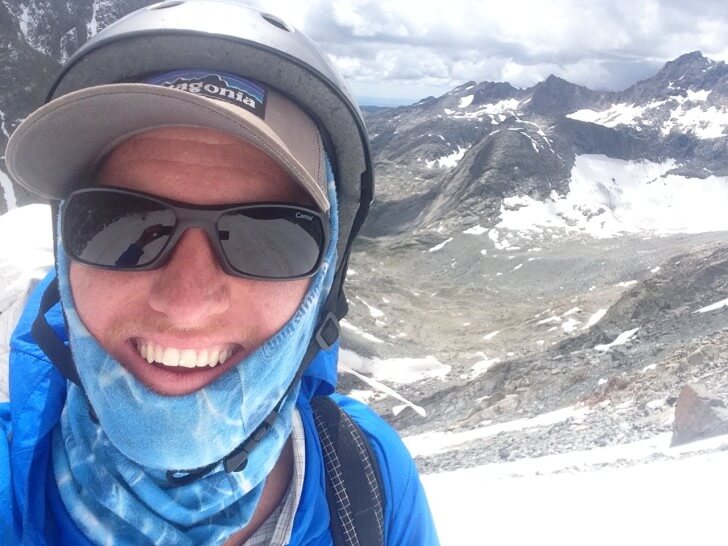
Buff
- $25
- 2 oz (57 g)
- Buy Now
Since getting a Buff earlier this year, it has been an indispensable piece of my ultralight kit. I use mine for sun and wind protection and as an added layer of warmth. It also works well when it’s too hot – dipping the Buff in cool water and wearing it around my neck helps keep me cool.
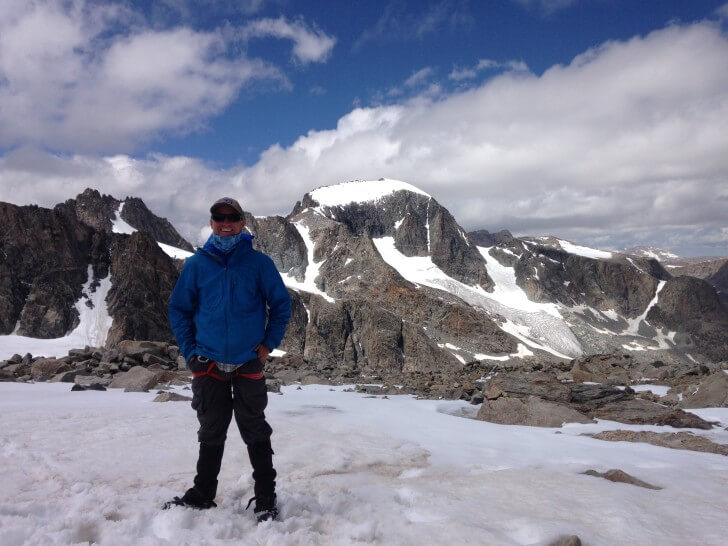
Patagonia Houdini Windshirt
- $100
- 4 oz (113 g)
- Buy Now
Before I owned a wind shirt, I used to think, “Please, a windshirt? Why would I need that?”
I am still not convinced that a wind shirt is needed; however, I do believe that the wind shirt fulfills a unique niche in backcountry travel as a movement layer. I have found that my wind shirt is useful for days when you are moving fast during cool or cold, and windy conditions. The wind shirt cuts wind (preventing evaporative heat loss) and offers excellent breathability (especially if you allow the DWR to wash out!). It is so light (4 oz) and compacts so well that I can stuff it into virtually any pocket or compartment so I always have it handy.
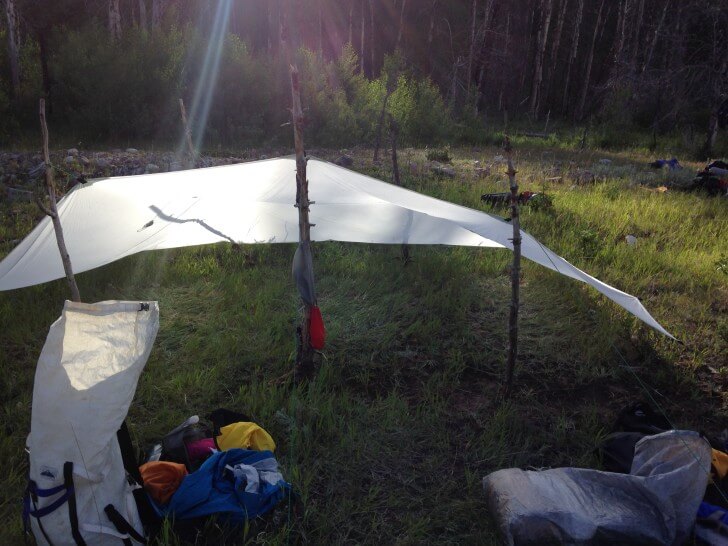
Oware 10×14 Flat Tarp
- $135
- 24 oz (680 g)
- Buy Now
This summer, while spending several weeks in the “Bob” (Bob Marshall Wilderness), I used the Oware 10×14 tarp tents extensively. I was amazed at their adaptability and capacity. This tarp comfortably sleeps five plus gear, is very lightweight, and has 20 tie-out points that allow for a stormworthy pitch. It would not be my first choice for winter or shoulder season camping, or if you are expecting severe enough weather to warrant a full-perimeter shelter such as a pyramid. But for most three-season camping, it’s tough to find a better group shelter at this cost and weight than the Oware 10×14 flat tarp.
Ryan Jordan
HMG Dyneema Summit Pack
- $300
- 14.8 oz
- Buy Now
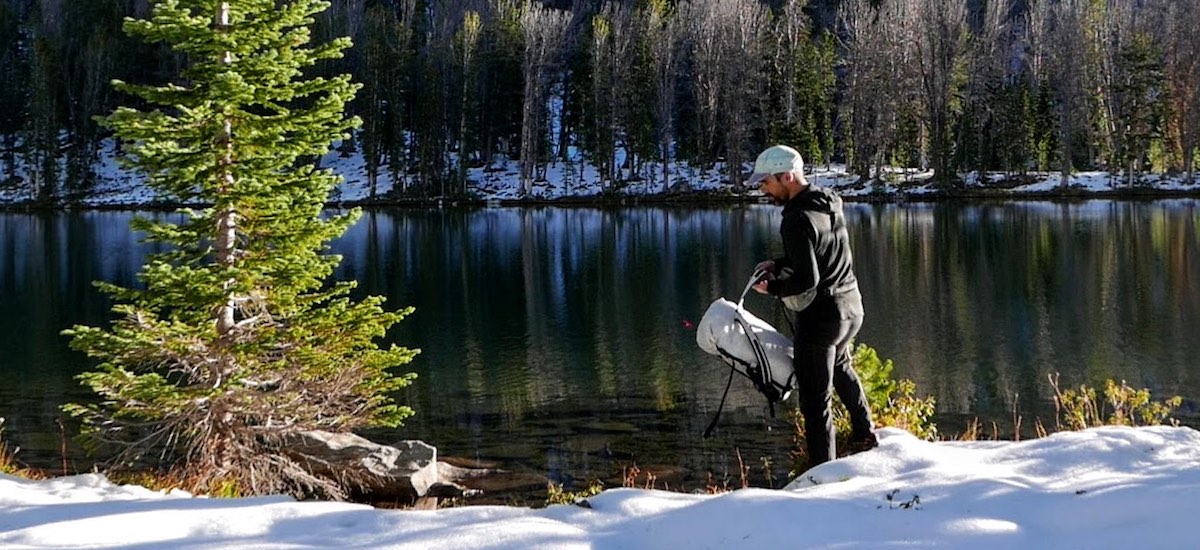
In my quest to minimize the amount of gear I own, and maximize the versatility of the gear I use, I’ve gravitated away from gram-counting in recent years and towards gear that will last a long time and/or can be easily repaired. The Dyneema Summit Pack from Hyperlite Mountain Gear fits this bill. I’ve used this pack more than any other this year: day hiking, biking, climbing, and on short overnight trips. It fits a sleeping bag, pad, bivy sack (or tarp), parka, raingear, stove, pot, and a few hundred cubic inches of food: perfect for my own style of SUL and simple overnight backpacking.
My favorite feature is its durability. I’m hoping this pack will be an heirloom that will be able to tell the stories of adventures that span decades of seasons, instead of the “trip or two” that so many ultralight backpacks seemed resigned to these days.
Helinox Ground Chair
- $110
- 22 oz
- Buy Now
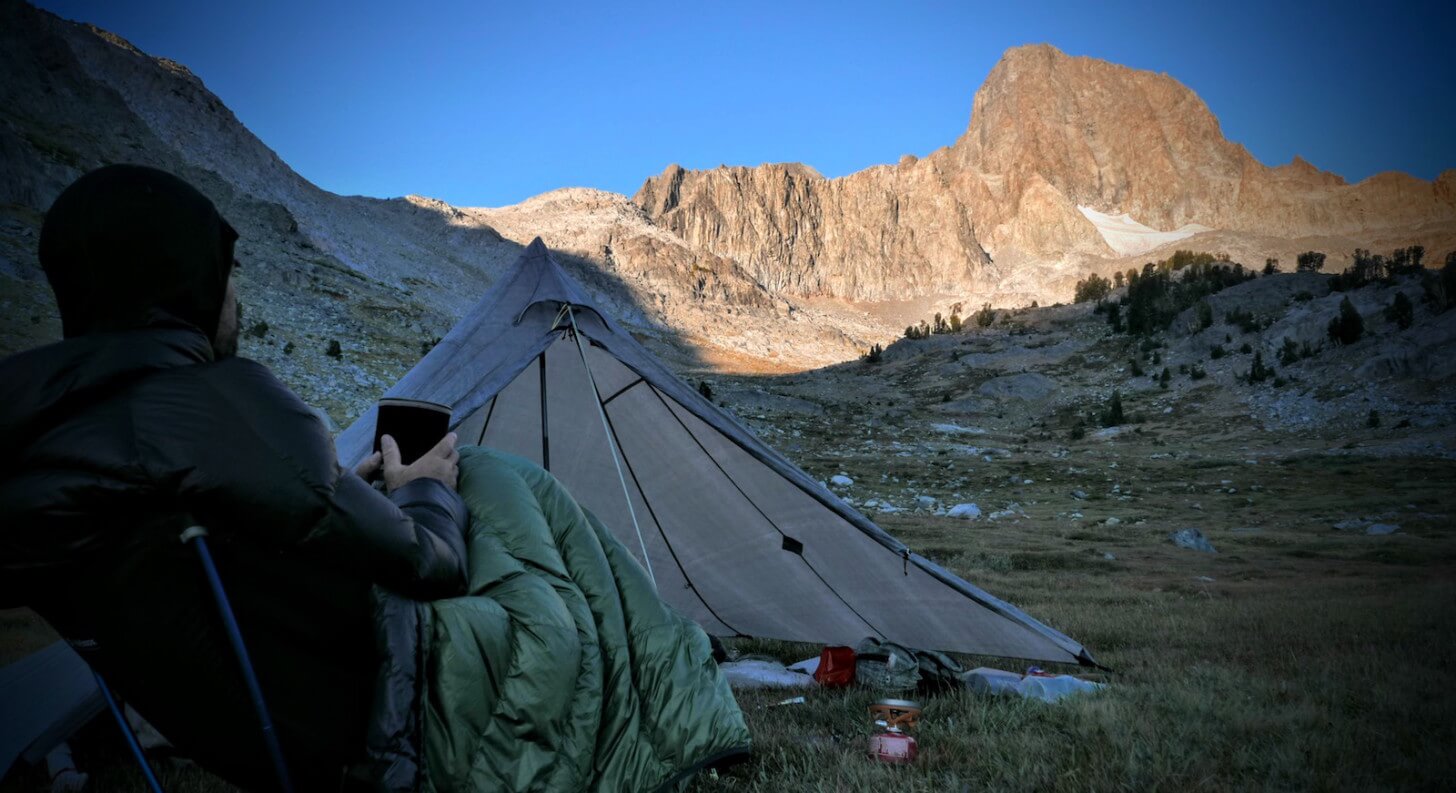
“Camp Chair” and “Ultralight” are not usually found in the same sentence. But like a wood-stove-heated-tent that weighs less than five pounds, some chairs offer a performance-to-weight ratio (e.g., comfort level) that almost has to be experienced to be believed. The Helinox Ground Chair is one of those products.
This chair has revolutionized how I manage and cope with back pain from a nagging broken back suffered in 2005, and if I know I’m going to spend any meaningful amount of time in camp, it goes with me. With the Ground Chair, my creative writing (journaling and other forms) has soared in the backcountry, as well as the process of slowing down, enjoying a cup of coffee, and snuggling under a down quilt while the sun comes up. To that end, the Ground Chair has achieved nearly spiritual status amongst its utilitarian equipment brethren in my wilderness camps and has invoked jealous wrath from my campmates. My son likes to steal it when I sneak away to take a poop back in the trees.
Bluewater Titan 5.5 mm Accessory Cord
- $1.30/foot
- 18.4 g/m
- Buy Now
Hauling ten pounds of rope and hardware for incidental glacier crossings and the occasional top-rope belay or short rappel isn’t worth it to me.
I’d rather take a different route around the offending terrain, or maybe just take the risk and go ropeless. Which usually works out OK, but I’m no probability dummy either – I know that falls do happen, and could happen to me.
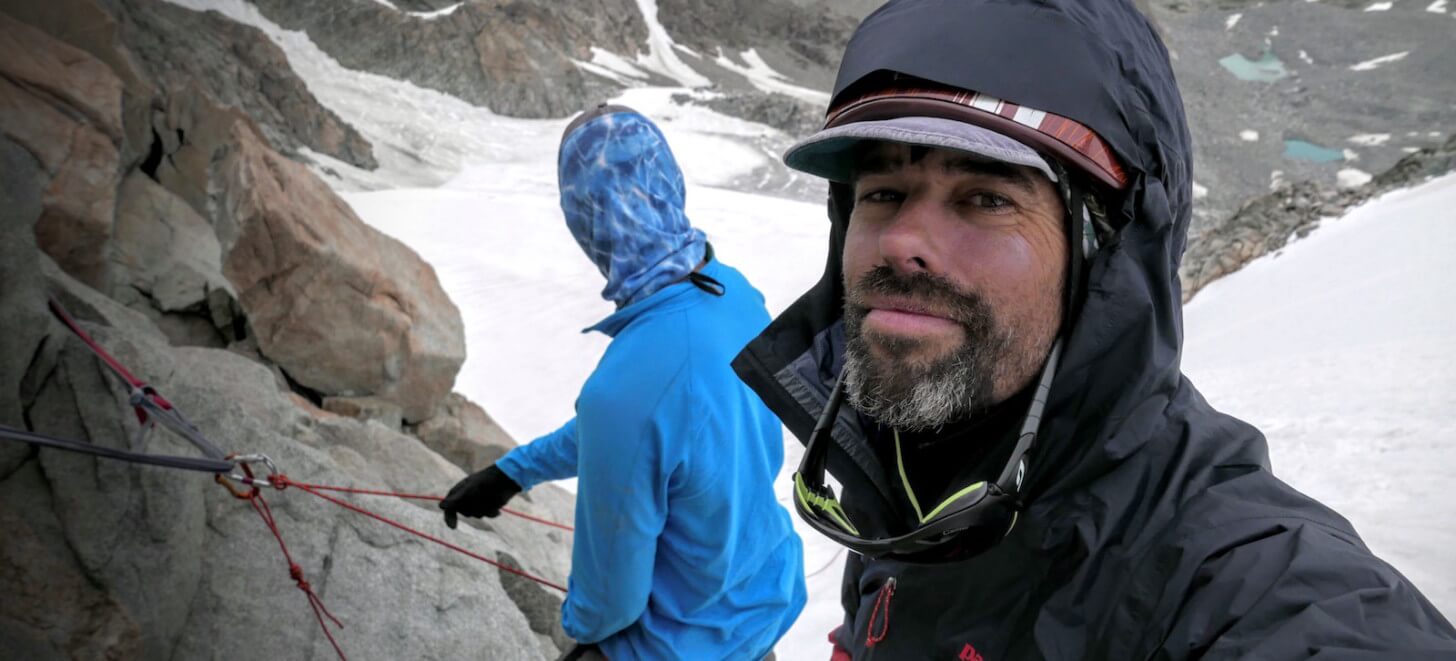
To that end, thin static cordage made with a Dyneema core has completely changed how I look at mountain and canyon travel. When the risk of a fall is low, and when the impact force on the rope is minimal (low angle, top-roping, etc.), I grab either a 25m or 50m hock of Bluewater Titan 5.5mm Dyneema. It has expanded my route options, and when I bring it, increases safety for myself and my companions. At 2.2 lb per 50m, it’s as ultralight as you can get for a cord that is reasonable for glacier travel and incidental belays. I used it this summer on a glacier trek and Gannett Summit climb in the Wind Rivers and on a Class 3 variation of a Sierra High Route section in California.
More Staff Picks
Click here to view previous years’ archives.
What is Your Favorite Gear of 2015?
Share your favorite gear of 2015 in the comments below!


Discussion
Become a member to post in the forums.
Love my Borah Gear down jacket. So much warmer than a Western Mountaineering Ex-Lite Jacket.
Rockwoods .8oz waterproof fabric. Endless possibilities to look forward to in 2016.
My 15* “go to” 21 ounce quilt. It even loves me back by keeping me so warm.
I’ll add that I’ve become quite enamoured of KUIU merino shirts, gloves and hats. I use them all the time – hiking, backpacking, bicycling. Big fan. Even bought my brother a set for Christmas.
Chris I havent used the Duomid, but did sell a Solomid and move to the BT2 specifically to address two concerns First, wind gets under the side of the solo, which the BT2s sod cloth addresses. Second, the BT2 is taller which keeps condensation off your face. Build quality of both is top shelf. I dont miss the MLD peak vent, and like the number 8 zips on the Seek Outside. BT2 is heavier, packed size roughly the same. Tiny footprint of the Solo is nice in thick forests and rocky spots.
Chris- a 30l pack would be too small for a thru hike for most people. If you want to go HMG the 3400 or 4400 might be best. I might also look at the Seek Outside 3900 or the ULA Circuit as it’s a very popular thru hiking pack. The z packs arc haul looks intriguing as well.
LADIES: It took me a year of hiking to realize I could use a “pee rag” (cut up bandana or – as I prefer – a cut up microfiber washcloth from REI) instead of toilet paper, and I felt pretty good about the change. However, a couple of months ago, I trumped that discovery when I purchased the pStyle (on Amazon). This thing is awesome!! I no longer have to expose all my parts to the freezing cold while peeing in the night! “Pulling over” on a hike to pee in the woods is much quicker and easier now that I don’t have to undo my pants and waist belt and get half-undressed before re-arranging all clothing layers. If you hike with boys, the pStyle will make quick trail-side peeing easier! It has come in handy at trailheads, on hikes, and at campsites…anywhere where it’s difficult to be discreet while dropping my pants and squatting!! I do not miss having to do that :D
I had a couple really good pieces this year that I’ll be using again in 2016.
Arc Haul … breezy back and nice ride
Lone Peak 2.0 … looking forward to the 2.5s this year
UMBRELLA!!!
I can’t believe I never tried one before (especially on those JMT trips I did the past few years!). Best gear I’ve ever found, and I’ll never go on a trip without it again. Best 8 oz i’ve ever carried.
The combination of thin gaiters and thin toe socks made a big difference in my hiking.
The combination of a thin long-sleeved shirt, and sunscreen that truly lasts all day long, means no more sunburns for me.
— Rex
Like many others my kit has been stable for years, so my favorite gear “of 2015” is probably the same as for 2014, 2013, etc. The criteria above is for gear that always seems to make it into your pack over and over, so…
I’d have to say my solo shelter system, which generically is a 2P mid with a bivy. Specifically I use an MLD DuoMid and SuperLight bivy but there are many excellent alternatives. I find the 1P mids to be uncomfortable collections of compromises whereas a 2P mid is a palace for one for only trivially more weight. The bivy is my groundsheet and bug protection and is also handy when cowboy camping, which is what I usually end up doing anyway.
I’ll include my cook system, though it did change slightly a few years ago. I believe that a wide (as opposed to tall) pot on the order of 1L is the One Pot To Rule Them All. It’s large enough to make a multi-course meal for one yet can cover two in a pinch. Mine is the uncoated 0.9L Evernew ECA252. I have yet to meet a nonstick coating that didn’t flake off very rapidly and avoid them, though I admit that I have no experience with the new thin ceramics. I’m nonetheless inherently suspicious of them and I’ve always been able to remove any burned-on crud with a handfull of sand and some elbow grease at any rate. I used to use a Ti-Tri Caldera Cone for it’s multifuel possibilities but made a SuperCat during a simplification phase I went through and have been favoring that. I’ll probably switch between the two as needed.
I spent a very uncomfortable night several years ago when I was unable to make tinder for a fire in some unexpectedly miserable conditions using the tiny blade on my Leatherman Squirt. Since then I have carried a full-sized fixed-blade knife as a “luxury item.” Mine is usually a MoraKniv Companion for the sake of keeping the weight and cost down while retaining full functionality. The Moras lack a full tang, though, and I’d like to find something similar that has one.
My other “luxury item” is a Klymit X Pillow. What can I say? I’m getting old. :)
After decades of wearing minimalist nylon hiking pants I finally put some stretch Prana Zion pants on my Christmas list, and my wife delivered. I have high hopes for them. I have only used them once on a dayhike in the Tortolita Mountains but they were quite comfortable.
NM
Sony RX100 II
Patagonia Houdini
Sawyer water filter bottle
MLD Core
Supermid: family + PCT=good
Kit list ‘fairly’ stable.
PHD Ultra pullover is the standout.
Dean. Mora is bringing out a full tang knife this year.
as a note … if one has an aluminum pole tent … one can use the aluminum pole repair sleeve as a “bellows” rather than buying something extra
just dont touch the flames too much with it
;)
Mini Bic.
Enlightened Equipment:
1. Accomplice, amazingweight savings and water resistant down.
2. Enigma
HMG
4400 southwest. Finally a simple pack to take the place of an almost identical north face that’s heavier and not waterproof. With two kids now, I needed higher volume.
Tarptent Cloudburst 3
Incredibly versatile tent for not much weight. When taking the kids, this works much better than my mid.
Oruxmaps, (past 3 years but sooo good)
No need for a Garmin anymore. Does everything a GPS should and more. Free and tons of map options also available for free. Highly recommend.
Yeah, but…
I’d have chosen the Olympus TG4 over the Canon G15. The TG4 has an F2 lens that takes fantastic photos, has a removable ring around the lens to mount other lenses, is waterproof to 50 ft. and “drop resistant” from 7 ft.
Let’s see the Canon G15 match those features as well as give photos as good as the TG4.
I had my original TG1 stolen and recently replaced it with the TG4. It’s still the best point-and-shoot out there for outdoor work.
My neoair xtherm.
For the fan of the Pearl Izumi trail n2 (@mocai I’m looking at you)… better stock up, they’re exiting the running shoe business: https://pitchengine.com/pitches/61571fab-3af9-4caa-a210-c11f02136311
.
Become a member to post in the forums.