

Backpacking
Backpacking is a craft of carrying what matters, leaving what does not, and learning how to move well in the backcountry. Backpacking Light helps hikers go lighter without giving up competence, safety, or depth.
If you are learning how to backpack, start here. If you already have miles on your legs, this page is still a useful map to our gear analysis, skills education, field-tested articles, and community discussion.
Start With the Right Path
Questions Backpackers Ask
How do I start backpacking?
Start with short trips, a conservative gear list, simple food and water systems, and a willingness to learn. Backpacking Light is strongest when it helps hikers build judgment, not just buy gear.
What gear matters most for backpacking?
Shelter, sleep insulation, a pack that fits the rest of your system, footwear that matches the trip, and the judgment to choose layers and safety gear for the actual conditions.
What is ultralight backpacking?
Ultralight backpacking is not just buying lighter gear. It is a systems approach to reducing pack weight through skill, restraint, efficiency, and better decision-making in the field.
Where can I find trustworthy backpacking advice?
Look for experience, methodology, context, and transparent reasoning. Backpacking Light combines field-tested gear analysis, instruction, and community conversation to help hikers make better decisions.
Latest From Backpacking Light
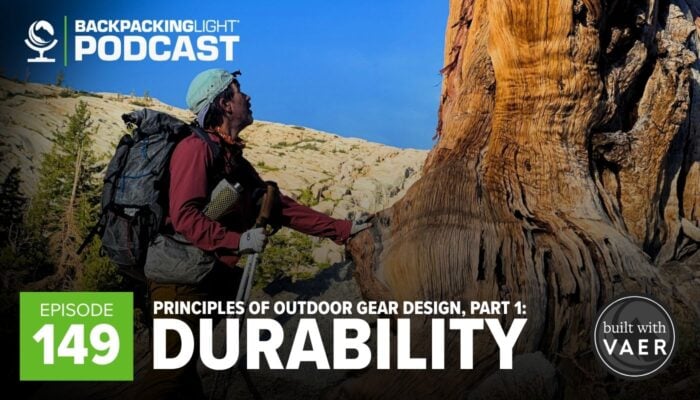
Episode 149 | Durability
This is Part 1 (of 4) in a new series called Principles of Outdoor Gear Design and focuses on the topic of outdoor gear durability. Ryan Jordan examines durability through the relationship between product, use case, and user behavior. Backpack examples connect materials, manufacturing, and engineering to wear, damage, repair, and continued function. Learn how to interpret durability claims and evaluate the weight, cost, and maintenance tradeoffs involved in choosing gear. (This series is made possible by support from Vaer Watches as part of the Built by Vaer initiative, a partnership collaboration between Backpacking Light and Vaer to bring in-depth educational resources about product design to the Backpacking Light community.)
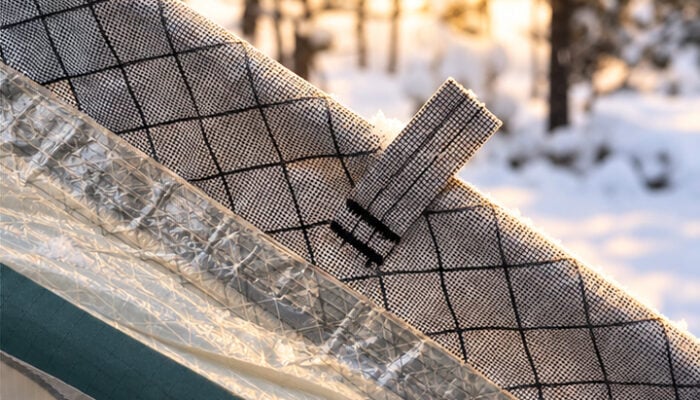
Technical Fabrics for Backpacks, Shelters, and Storage Systems: A Comparative Guide
A technical comparison of modern fabrics used in backpacks, shelters, and storage systems, including DCF, Ultra, X-Pac, ECOPAK, silnylon, silpoly, and ALUULA. The tables compare weight, tear strength, abrasion resistance, waterproofness, dimensional stability, construction, and key tradeoffs using current manufacturer data.
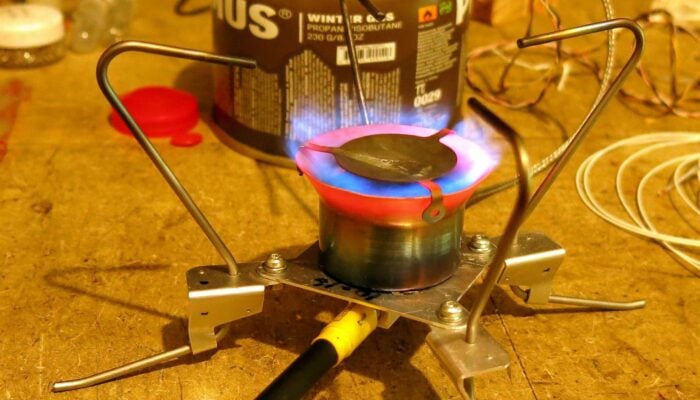
MYOG: SUL Remote Inverted Canister Winter Stove V8
An ultralight winter stove is simple in concept—but devilishly complex in execution. This deep dive traces the evolution of a remote inverted-canister stove through eight generations of design, testing, and refinement. The result is a 75-gram V8 vortex stove shaped by careful experimentation with airflow, thermal balance, burner geometry, fuel vaporization, and field-worthy component design.
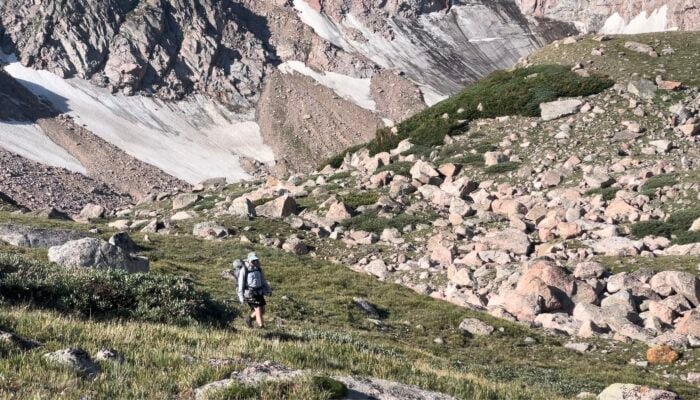
A Multifactorial Case of Acute Mountain Sickness, Carbohydrate Depletion, and Dehydration
After a recent strenuous approach to an alpine area, headache, nausea, fatigue, and dizziness produced a Lake Louise AMS score consistent with moderate acute mountain sickness. Garmin data and a detailed reconstruction of food, fluid, workload, and sleep revealed a more complex event. This case study examines how altitude exposure interacted with carbohydrate depletion, dehydration, and accumulated fatigue - and why backcountry illness is often better understood as a convergence of physiological stressors.

