

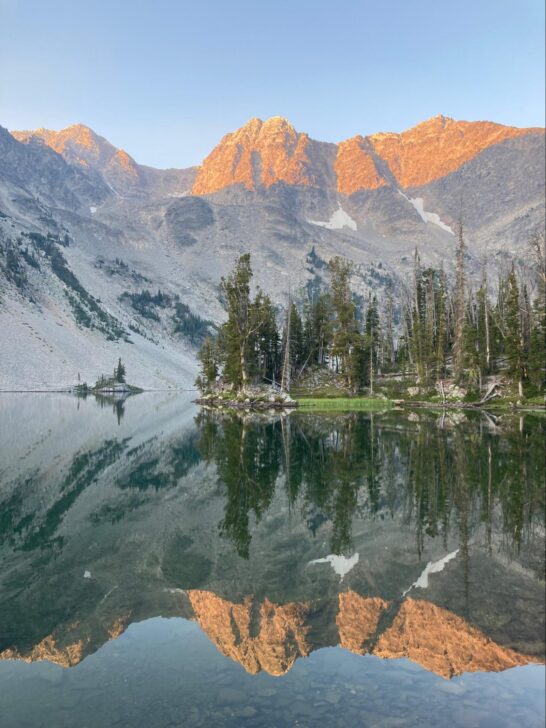
As a backpacker living in western Montana, needing a permit to go backpacking is the exception rather than the rule. Outside of Glacier and Yellowstone National Parks, you can arrive at pretty much any trailhead you want and hike into the backcountry for a trip of any length and destination of your choosing. Campsites in the national forests are almost exclusively first-come, first-served (aside from rental lookouts and cabins) and there’s no zone quotas or other restrictions limiting travel. In the mountain range where I do most of my backpacking, the luxury of being flexible in my destination if solitude is my priority is much appreciated. If I pull up to a trailhead and there’s a dozen cars and a Boy Scout troop van, I can easily just drive a half-hour to the next canyon and leave the crowds behind. But more often than not, even on holiday weekends, I can count most of the cars on one hand at all but the most popular trailheads. And, perhaps most importantly, based on what I see as a visitor – these areas don’t yet need permits to preserve opportunities for solitude and avoid adverse impacts to the landscape from concentrated visitation.
Needless to say, this makes the browsing of maps and guidebooks and planning trips a productive pastime, since I won’t mind my trips derailed by the inability to secure a permit. Trips are derailed or don’t happen due to natural causes – fire closures, excessive smoke from wildfires, weather issues, or lack of time. And to be quite honest, I’ve become frustrated enough by the competitiveness and complexity of backpacking permits for national parks that I’ve stopped trying in recent years to even attempt snagging a permit for most “life list” trips and national parks. I’ve been lucky enough to have a friend who is more diligent and patient with applying for permits and have been lucky enough to tag along with him on trips to Glacier National Park in recent years.
Other than a trip in North Cascades National Park that was marred by five straight days of thick wildfire smoke, which irritated my throat and limited visibility to only a mile or so, I’ve never been disappointed by a backpacking trip. Even ones that have been rainier than I would’ve liked, or which ended prematurely for various reasons, or where the trails were in frustratingly poor condition they’ve have always had some elements of exploration and enjoyment which cause me to remember them fondly. Oddly, I have found myself increasingly disappointed by trips that don’t happen as a result of not getting a permit to even start them in the first place.
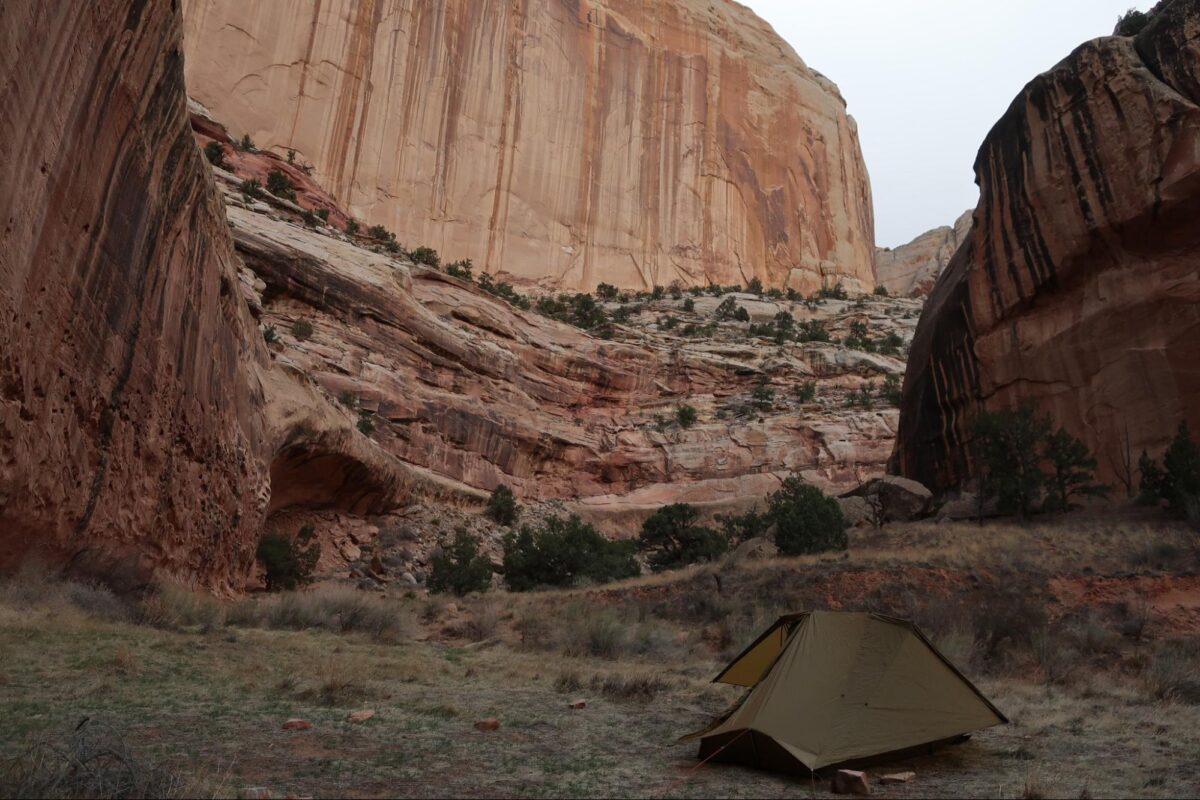
In 2022, the only place I can recall backpacking where I needed a permit was Craters of the Moon National Monument in Idaho where I visited for a lunar eclipse. Although the landscape is otherworldly, the limited options for backpacking, the harsh landscape and climate, and the burden of having to pack in all the water you need means that the demand for backpacking isn’t anywhere close to outpacing the supply. It is rare for there to be two groups backpacking at the same time in the entire 43,243 acre Craters of the Moon National Wilderness Area. The permit was a simple matter of stopping by the ranger station, receiving a brief orientation, providing an estimated itinerary and route, and then heading out to the trailhead. Prior to that, my most recent experiences with permits for backpacking were for Yellowstone National Park, Aravaipa Canyon Wilderness, and Capitol Reef National Park – in order of most to least competitive.
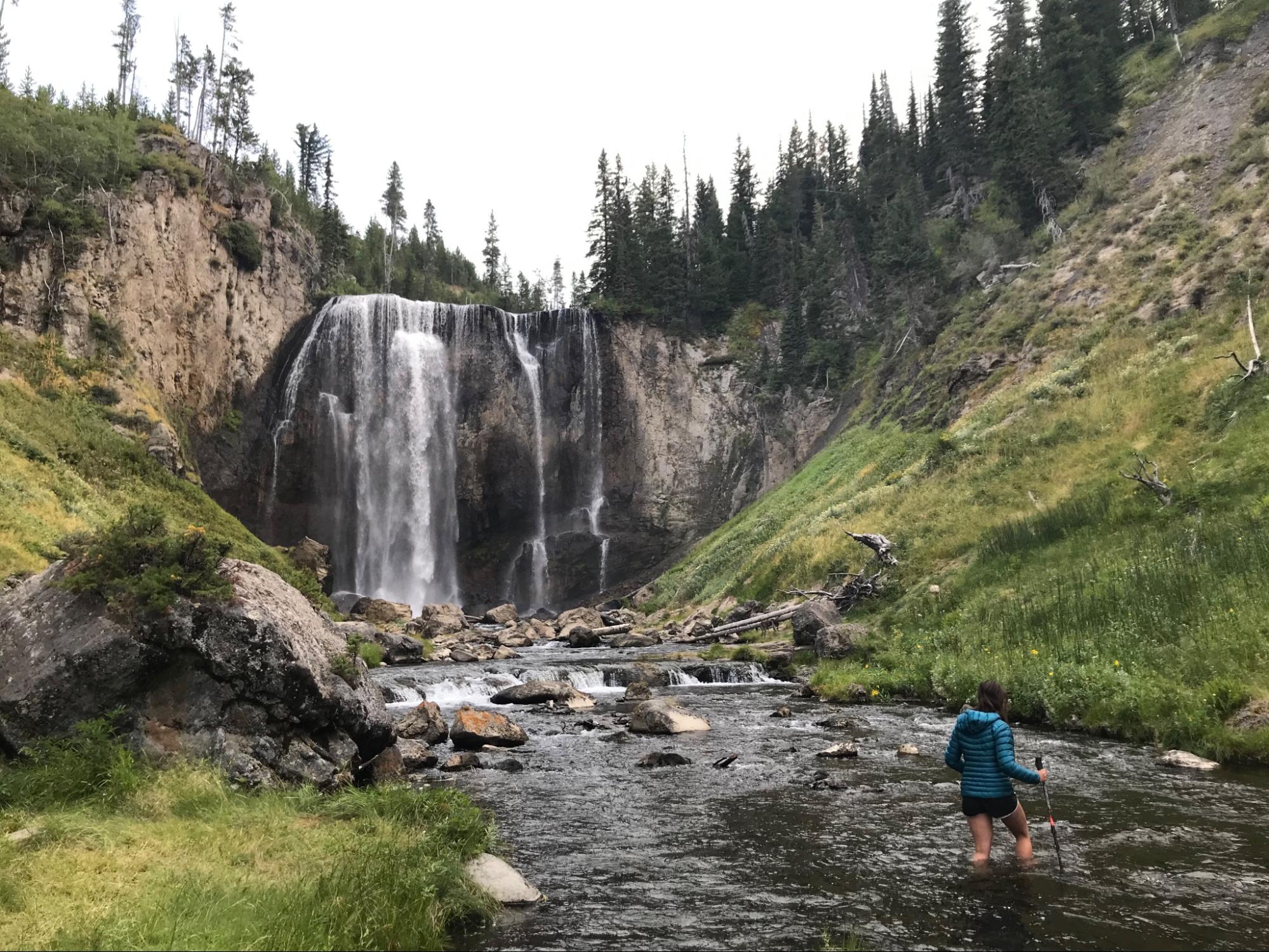
In 2019 and 2020 when I applied for backpacking permits for Yellowstone National Park, the permit reservation system was structured in a way in which permit applications were randomly processed in early spring before going to being processed in the order in which they were received. Under that system, which involved using a fax machine at the local library to submit the permit application, I was able to specify a wide range of dates, campsites I was willing to accept, and even the option of reversing the itinerary I had proposed. This option to indicate flexibility is likely what allowed me to be successful two years in a row at getting a permit for a four-night backpacking trip that included two nights at a campsite near a phenomenal hot springs.
Once the backcountry permitting system was moved to recreation.gov for 2022, along with the permits for most other federally-managed recreation units, the format changed. Users – which seems like a weird way to characterize potential backpackers yearning for amazing natural experiences – simply entered into a lottery and then received a time and date slot to log in and pick from the sites that were still available. Those who received a time and date slot earlier in the window were much more likely to get the trip they wanted than those who drew a later slot. I’ve never received one of the slots in the first half of the window after two years of trying. By the time I’ve been able to access the reservations, all the nights for that campsite for the entire season have been completely booked.
While I’m fortunate enough to be able to backpack with a degree of spontaneity that is rare in other parts of the country, and have been on many trips to incredible places in nearby wilderness areas, I do enjoy the level of planning and anticipation that comes with planning trips to national parks. The trip to Aravaipa Canyon Wilderness in 2019 did have a few nail-biting moments when trying to secure the permits for the three continuous days needed (the maximum allowed by the Bureau of Land Management), but overall it felt attainable. When browsing recently for both nostalgia and comparison’s sake, things appeared to be booked within a few hours whereas in previous years there was still availability days after the booking window opened.
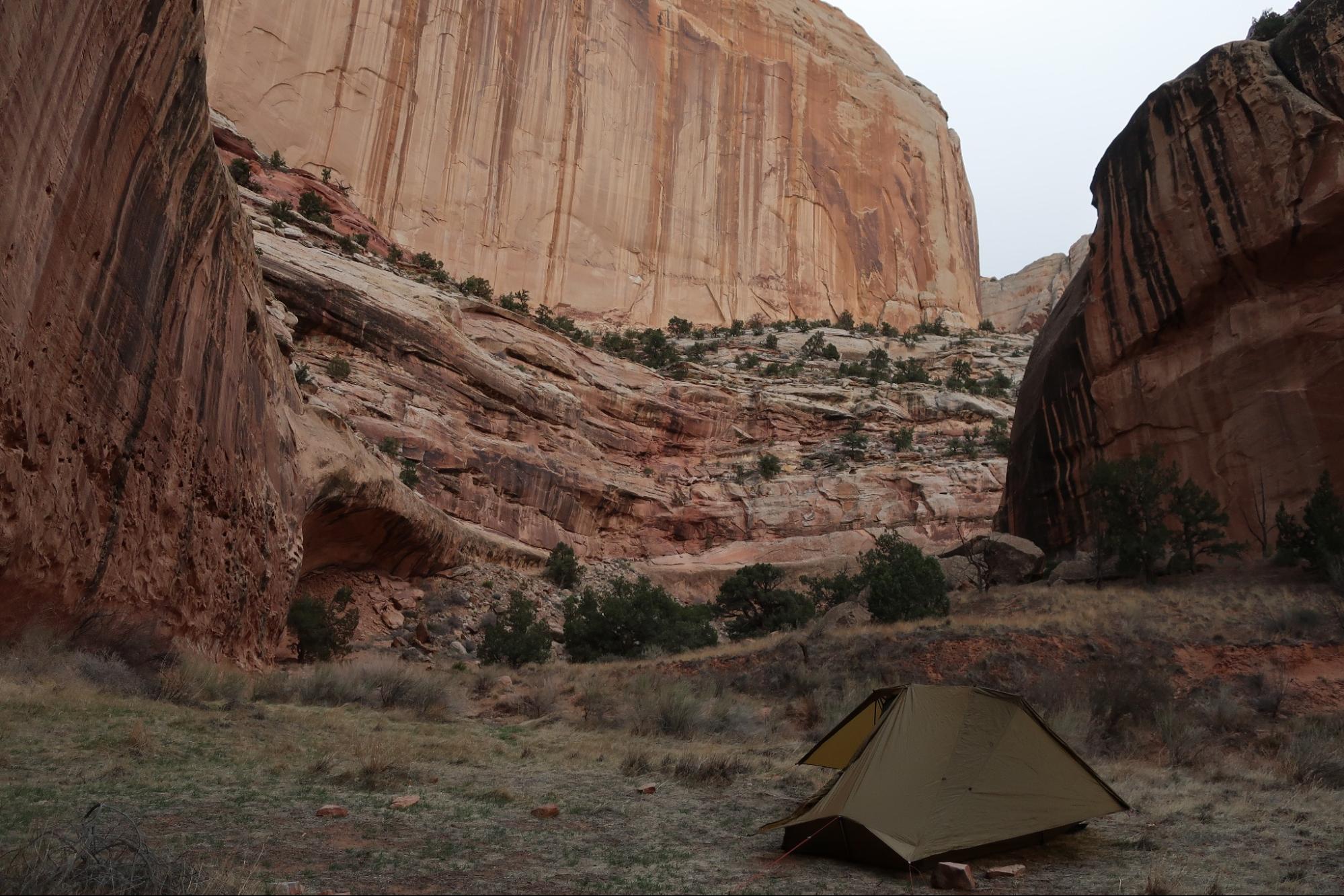
While I’m more than content to primarily limit my backpacking trips to within a half-day’s drive of my home, I do have an urge to explore other landscapes. For those that are national parks, it seems like concentrating my efforts on those with less rigorous permitting processes – like Capitol Reef National Park – seems to be the best approach for someone like me who takes it personally when they can’t backpack on public lands due to onerous permitting requirements. I realize this selfishness and entitlement in my perspective, and I don’t relish feeling this way, especially since I can easily backpack in the Northern Rockies with little planning and only a few miles of driving. Where I feel the most sympathy is for those who don’t live close to public lands and have to plan their trips with an efficiency and economy that leads them to becoming reliant on obtaining a permit with a set date, set itinerary, and near-guarantee of incredible scenery (smoke and weather being the major variables). While the solution to visit a national forest or other that doesn’t require a permit is certainly an option for anyone who wishes to backpack, there’s less information on how to put together a comparatively outstanding trip for these places compared to a national park. The national park trips ostensibly provide much more of a “sure thing” if you can manage to snag a permit.
Perhaps the silver lining to this cloud created by permits is that backpackers will become more informed about, and involved with, the stewardship of national forests. By becoming aware of the amazing outdoor recreation opportunities on these public lands, and the challenges that face them (particularly deferred maintenance for trails), there might be more volunteerism among trail work organizations and discussion of how to utilize these resources without loving them to death and ultimately having them fall under the purview of permits as well.


Discussion
Become a member to post in the forums.
Companion forum thread to: Backcountry Permits: Navigating Logistics and Disappointment in the Modern Technological Age
Different land management agencies have different difficulties obtaining a permit, to plan and enjoy a backpacking trip.
Good article.
There’s a lot of BLM land in the west. Getting access isn’t always possible and in many cases virtually impossible without vast local knowledge. Without groups like the Wildlands Conservancy and such, we would be completely cut off from most of it.
Two additional frustrations: the “free” permit you have to drive an additional hour over the mountain range to an obscure ranger station to get it. Remember the days you could at least request a permit my mail? The second frustration is the reservation fee we’re all paying, resulting in a private company raking in millions of dollars. A Freedom of Information request was denied because the contract with the company was “private.” A lawsuit against the company for charging us “junk fees” was dismissed because the government sets the fees, yet won’t tell us if they’re overcharging us. Something stinks in all of this privatization movement.
I can remember when you could just drive to the trail head at Onion Valley (Kearsarge Pass)… the ranger would show up at 8am in the small ‘A-Frame’ shack (it’s still there) and issue permits. No advanced reservation required. If there was a quota, they never (or rarely) hit the limit. And I’m not sure there was any fee… though I do seem to remember at some point it was $2.00. There were not computers or Rec.gov involved… it was relaxed and easy, and few people on the trails..l
I have never applied for or needed a permit. Unless a fishing license counts.
A big frustration in my part of the world (Seattle) has become that permits secured by others online are very often not used. I have more than once gotten one of the last permits, from the ranger, for an area that has been reserved nearly full, and then found myself alone in some very desirable location. The recreation.gov system needs some better way to incent cancellation when the winners ultimately do not use their reservations. Simply refunding part of the fee is not working.
Few would dispute the need to regulate the number of people on the trails in the heavily trafficked backcountry areas. As the number of permit applications has continued to grow, I think switching to Recreation.gov from slow, antiquated, labor-intensive systems was inevitable.
The way the permits are administered is still the decision of the management agencies, not Recreation.gov. In California, for example, Yosemite and Sequoia-Kings National Parks wilderness permits are operated as a weekly lottery (very fair, in my opinion), whereas the very popular BLM-managed Lost Coast Trail releases the entire year’s permits at 7am on October 1st creating a free-for-all, favoring the tech-savvy with fast internet. Both of these systems, one good and one bad, are implemented on Recreation.gov.
In the cases where it’s implemented properly, which in my experience is most of the time, I find Recreation.gov to be a really good planning tool.
I finally gave up trying to get permits for Grand Canyon and paid big bucks ($1600 for a 4 day hike) to go with a guided trek. It was worth it, but not everyone can afford such a thing. I will probably never get Mt Rainier permits, nor a JMT, Yosemite exit permit. It’s hardly worth trying. I recently managed to get permits for the CDT in Glacier National Park, by doing a walkup and being totally flexible.
Strategy and ability to plan, having a loose itinerary/schedule, are all critical for success in popular areas. In the end it’s worth it if you get to go. But I echo the comment, “Something stinks in all of this privatization movement.” Rec.gov is raking in the dough for permit applications and then giving nothing for all that money when the attempt is unsuccessful. As with all concessionaires for our national parks, the companies only have to provide the minimum service and don’t really give a darn about the visitor experience at all. We need to demand better services from NPS and other agencies or nothing will ever improve.
“Rec.gov is raking in the dough for permit applications and then giving nothing for all that money when the attempt is unsuccessful”
My guess: The park service is saving a LOT of money by not having to have the park employees do these reservation/permitting functions in these popular areas. With all the increased demand for permits, and likely not enough park funding, it might be a complete pandemonium mess if Rec.gov was not handling this. So… in effect, I suspect that the park service has found a way to fund this function without getting more money from congress: the permit applicants creating the demand are now funding the process…. Positives might be: we are getting a much more efficient process with Rec.gov than the underfunded parks could provide. Negatives: we are having to pay… even when we don’t get a permit… maybe think of it as a kind of tax supporting the parks???
I have not found Grand Canyon permits all that hard to get… if you are willing to pick the less popular trails… and those trails are also amazing! And fall is easier than spring. And you have the ability to apply for several options/dates all at the same time. And… they do have cancellations so sometimes it is possible to email or call the rangers and put together a trip on short notice.
Rainier holds back a percent of the permits for walk-up… and if you can be flexible re the camps, it is often possible to show up at the ranger station early in the morning and get on a trip the next day… I did that for the Wonderland once and it worked out great.
Yosemite out of Happy Isles is brutal… you can pay the 10.00 fee week after week and get nothing… but, again, there are less popular trails… maybe think outside the box and don’t need to do the exact JMT route out of Yosemite… much easier then to get a permit…
Another trick with Rainier… When a weather forecast looks bad, there will be a lot of cancellations… sometimes that weather report changes quickly back to good and that is a great time to show up at the ranger station to get a walk-up permit. Of course, that requires being close… maybe camping out and doing day hikes until you get a good situation for a walk-up permit… Go to the ranger station every morning for a walk-up… if you don’t get one, go for one of the many great day hikes…. repeat process until you get your permit…
Become a member to post in the forums.