


“Those who ignore the past are condemned to repeat it.” – common misquote of George Santayana, The Life of Reason.
“OK Boomer.” – Phrase often uttered in frustration by people under the age of 65.
Both sayings are true – sometimes. So I’ll try to keep this short.
You Know You’ve Been Backpacking a Long Time When…
General
- You’ve seen lightweight backpacking revolutions come and go, and come back again.
- Leave No Trace meant carrying out your trash instead of burying it or burning it in a campfire. Except, LNT wasn’t invented yet.
- In the 1970s, you tried winter backpacking because trails and camps were too crowded in the summer. You barely survived.
- You bought each revised edition of The Complete Walker by Colin Fletcher—from a local brick-and-mortar bookstore, as it was published.
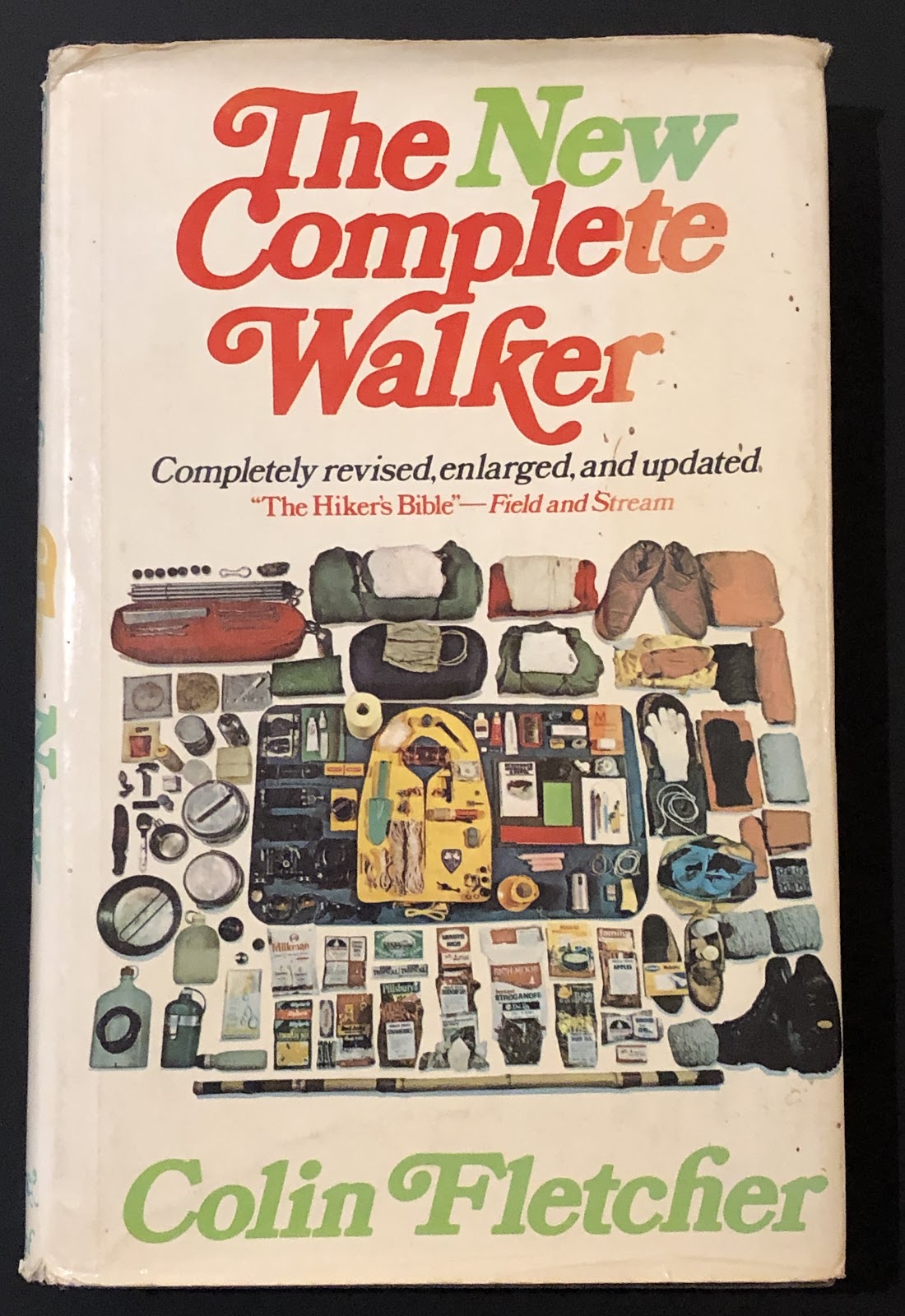
- And you bought most of the gear he wrote about, including that crappy little flashlight he praised.
- You remember being slightly sad when the authorities started requiring permits to hike Mount Whitney.
- You’ve been an REI member for well over half the co-op’s existence.
Gear
- You looked forward to the next REI mail-order catalog because the nearest store was a ten-hour drive away.
- You remember when REI catalogs listed weight and other important specifications of everything they sold.
- You signed up for the Stephenson’s Warmlite mail-order catalog because they had unusual equipment and interesting photos.
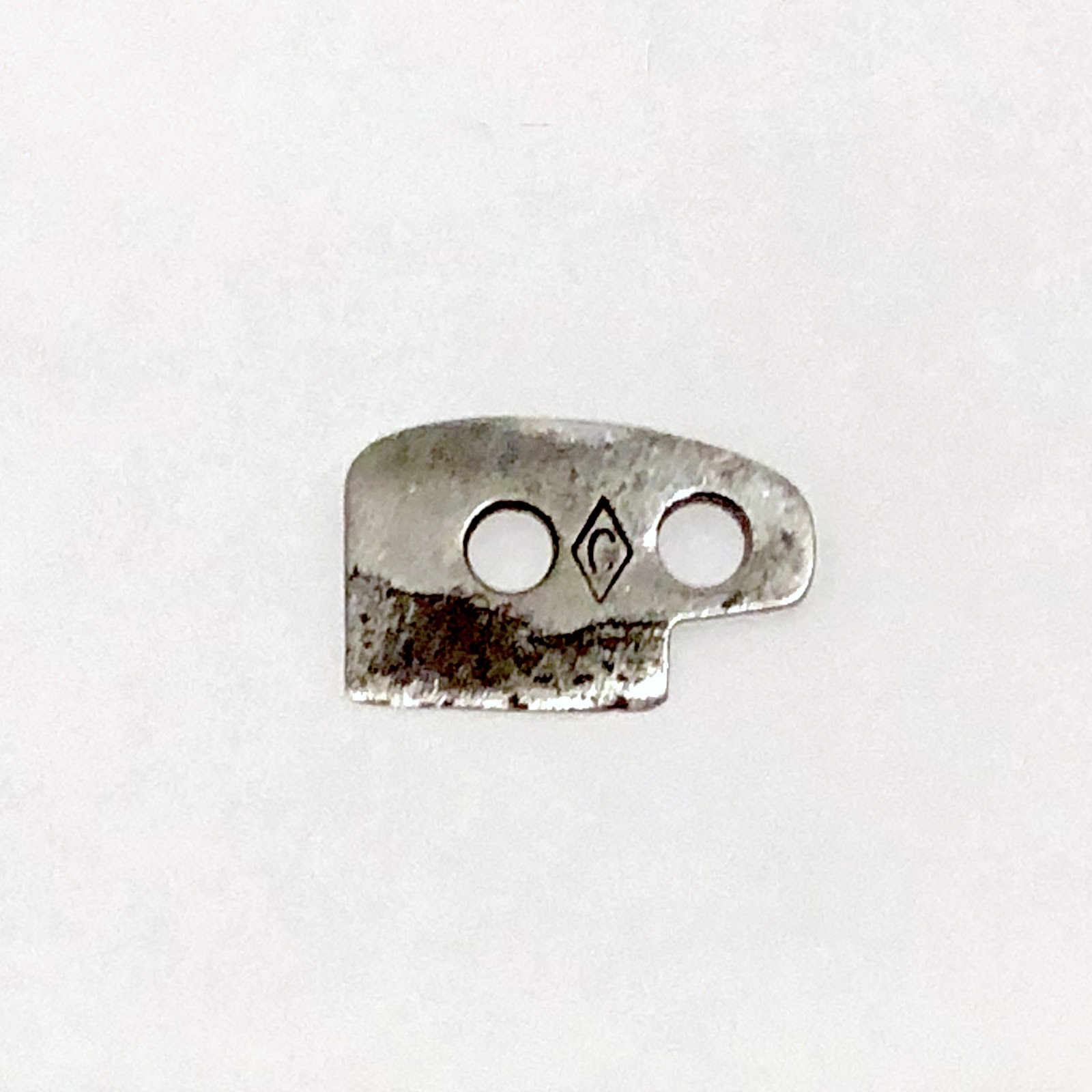
- You wondered why Chouinard Equipment disappeared because you loved their catalogs and still have some of their gear.
- Pieces of vintage equipment you still use now command premium prices on eBay.
- Your tents and packs were mostly aluminum and polyurethane-coated nylon, which was a big improvement over wood, steel, and canvas. Except, the polyurethane rotted, stank, and peeled off after a few years.
- Only rarely-seen European hikers used trekking poles, and you always stopped to ask why.
- Commonly available lightweight tents, sleeping bags, backpacks, and boots weighed at least 4 pounds (1.8 kg).
- You remember when rolls of film were packaged in sturdy, threaded aluminum canisters that you reused for backpacking supply storage. And you hoarded them when Kodak switched to plastic with snap-tops.

- You carried one of the lightest and smallest film cameras on the market, with a button battery for the light meter which lasted years. The camera used manual film advance, rewind, focus, ASA (now known as ISO), shutter speed, and f-stop settings.
- Your entire electronics kit consisted of that camera, plus Fletcher’s favorite flashlight with a spare incandescent bulb, which ate carbon-zinc AA batteries for dinner nearly every night.
- Out of necessity, you practiced changing flashlight batteries and bulbs with your eyes closed.
- You were amazed when high-capacity alkaline batteries became available, happy when small, rugged, waterproof flashlights hit the market, and thrilled when LEDs replaced fragile, short-lived, battery-eating incandescent bulbs.
Clothing
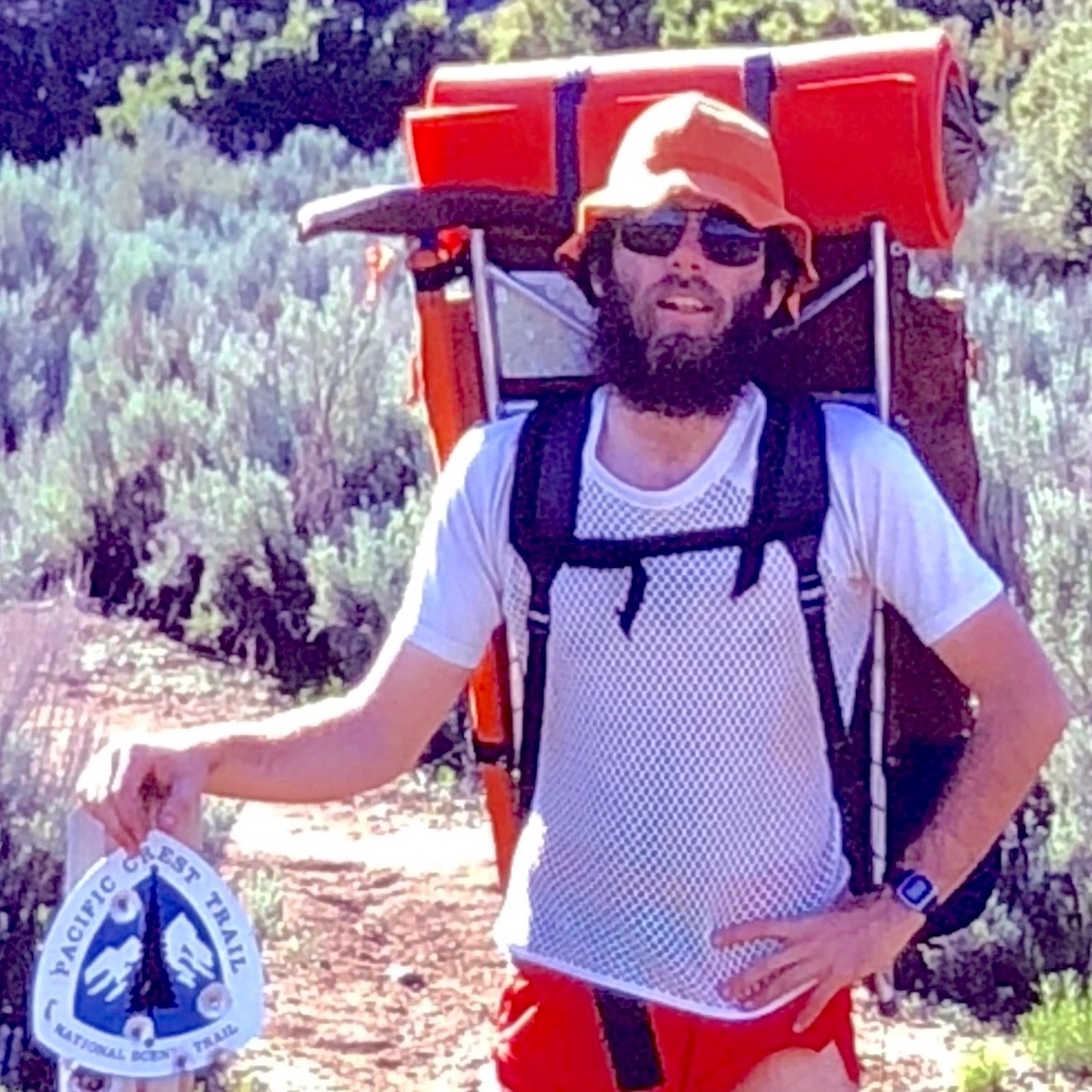
- You believed that cotton mesh T-shirts and long johns could keep you both warm and cool in a wide range of conditions. Until you wore them in the wilderness. At least the cool part was correct.
- And you believed that 60/40 cloth hooded jackets could keep you dry in the rain—until the first storm hit.
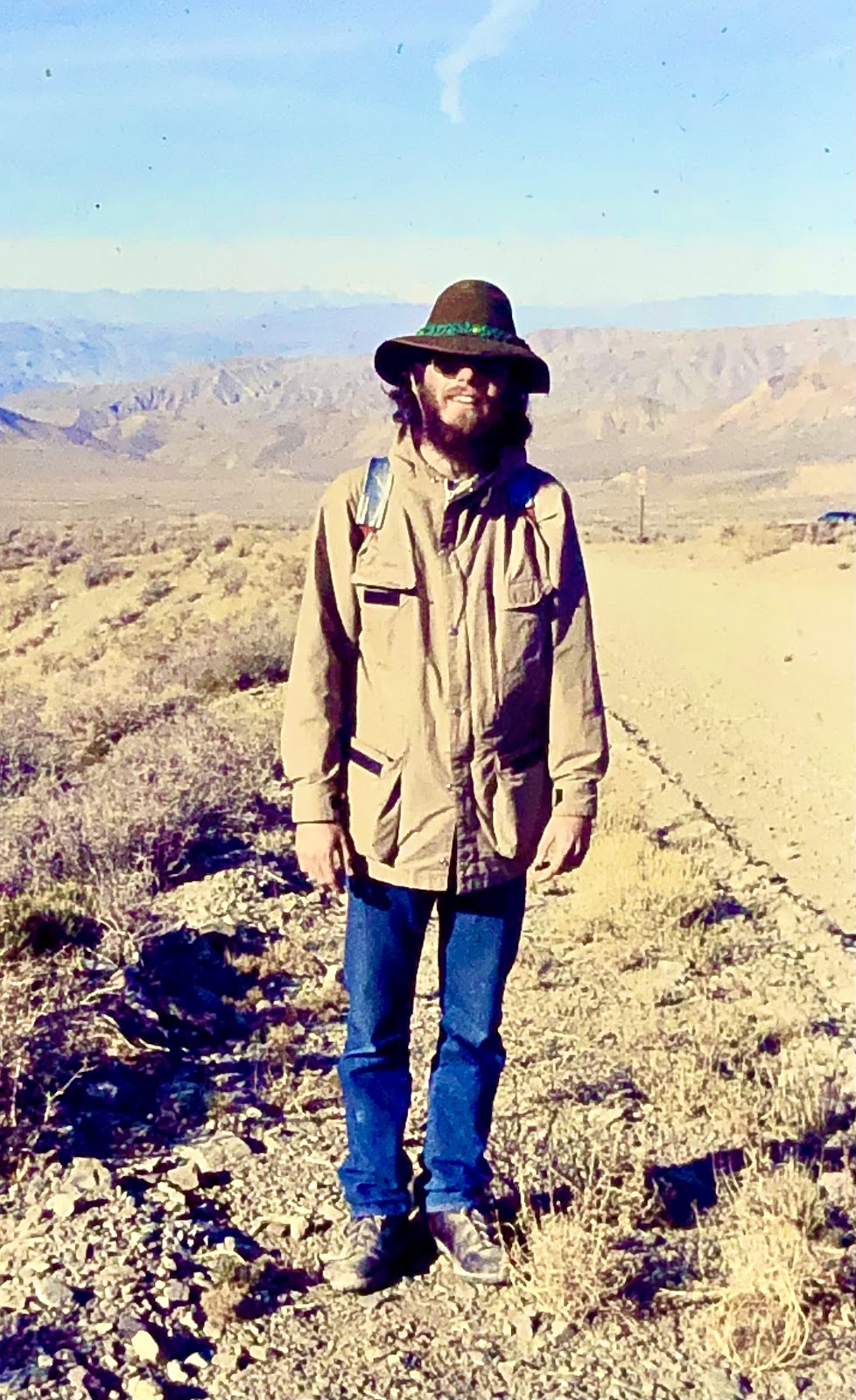
- You experienced just how bad first-generation Gore-Tex jackets and pants were. And you still believe they haven’t gotten a whole lot better.
- You bought a first-generation polyester pile jacket in the 1970s that promised to be warm when wet.
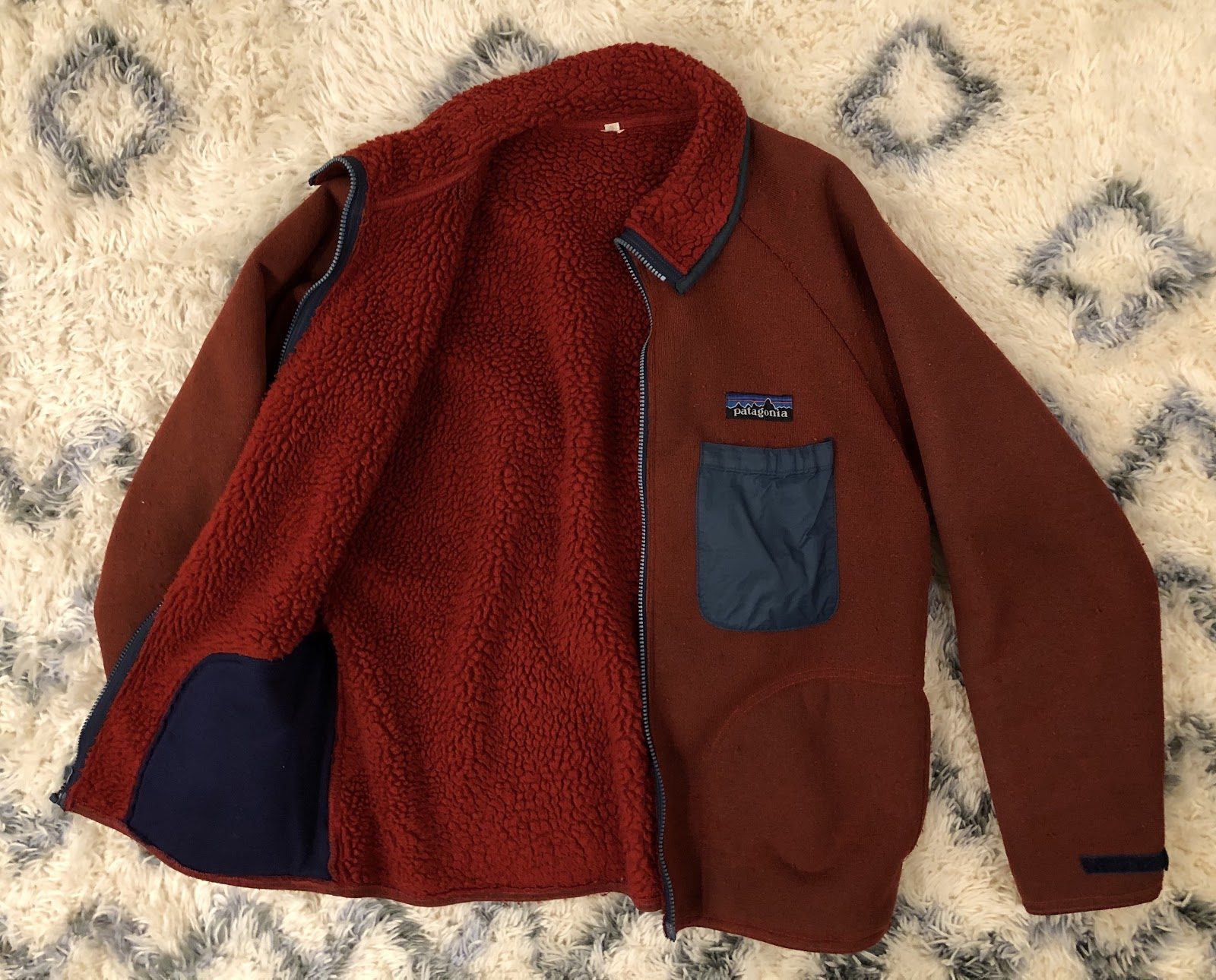
- But you wondered if the pile was ready for prime time after discovering it chilled you with the slightest breeze, then quickly fell apart. You wouldn’t try windshirts until the early 1990s—and then you fell in love with a cheap, ugly pink one. Until another, named for a magician, stole your heart.
Backpacks
- Your first backpack was a cotton canvas rucksack hanging on an external steel frame with unpadded shoulder straps and no hipbelt.
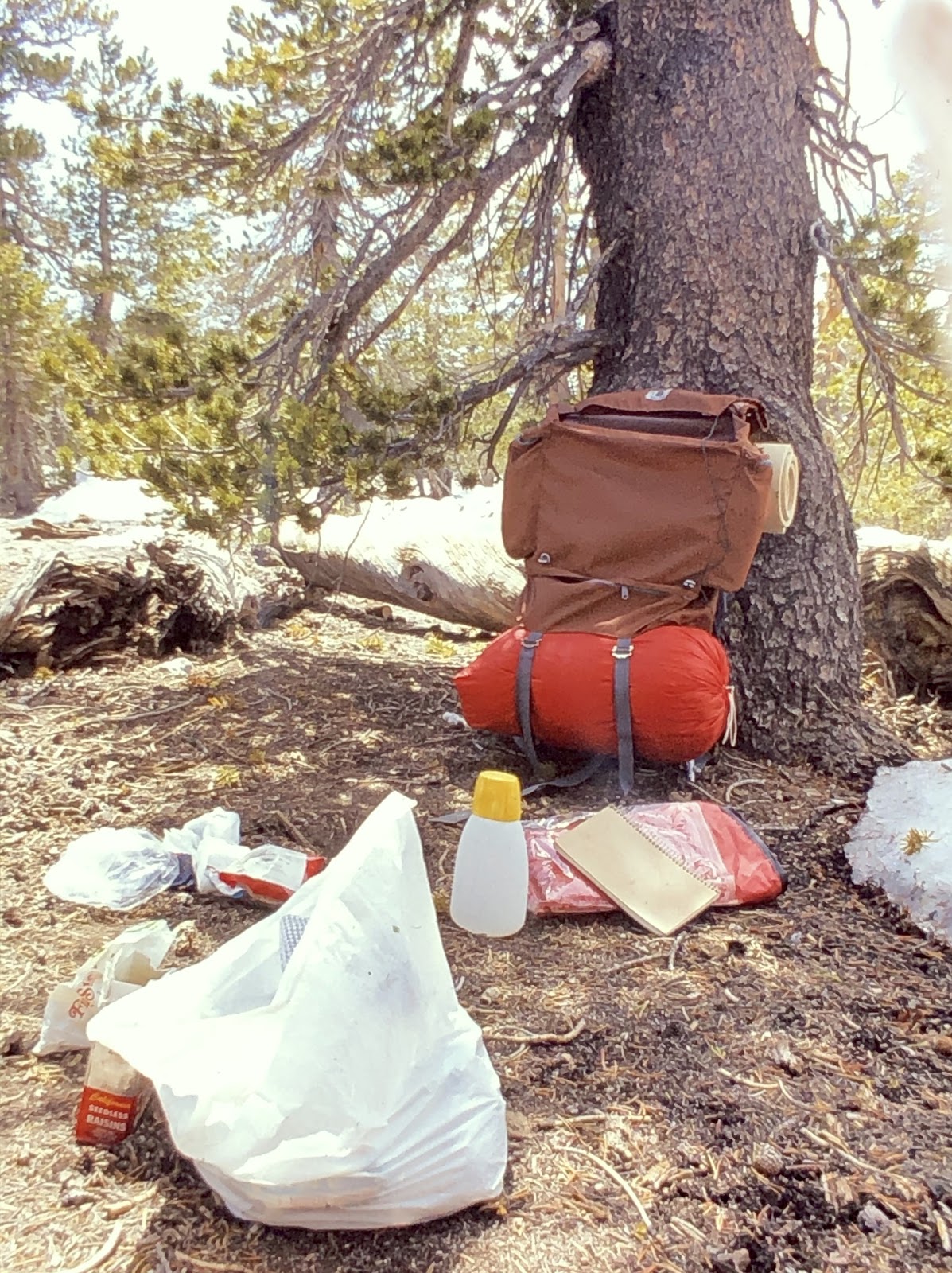
- You and your hiking buddies were in awe of the first Kelty external frame pack you saw because it had padded shoulder straps and a hipbelt.
- You finally broke down and bought one of those new-fangled internal frame backpacks—and never went back.
Tents
- Your first shelter was a single-walled pup tent made with thick canvas, wooden poles, and steel stakes. On a rainy night, if you bumped the wall, water came pouring in through the fabric.
- You thought that the plastic tube tent was a miraculous invention—light, simple, waterproof, and easy to set up. Until you actually slept in one.
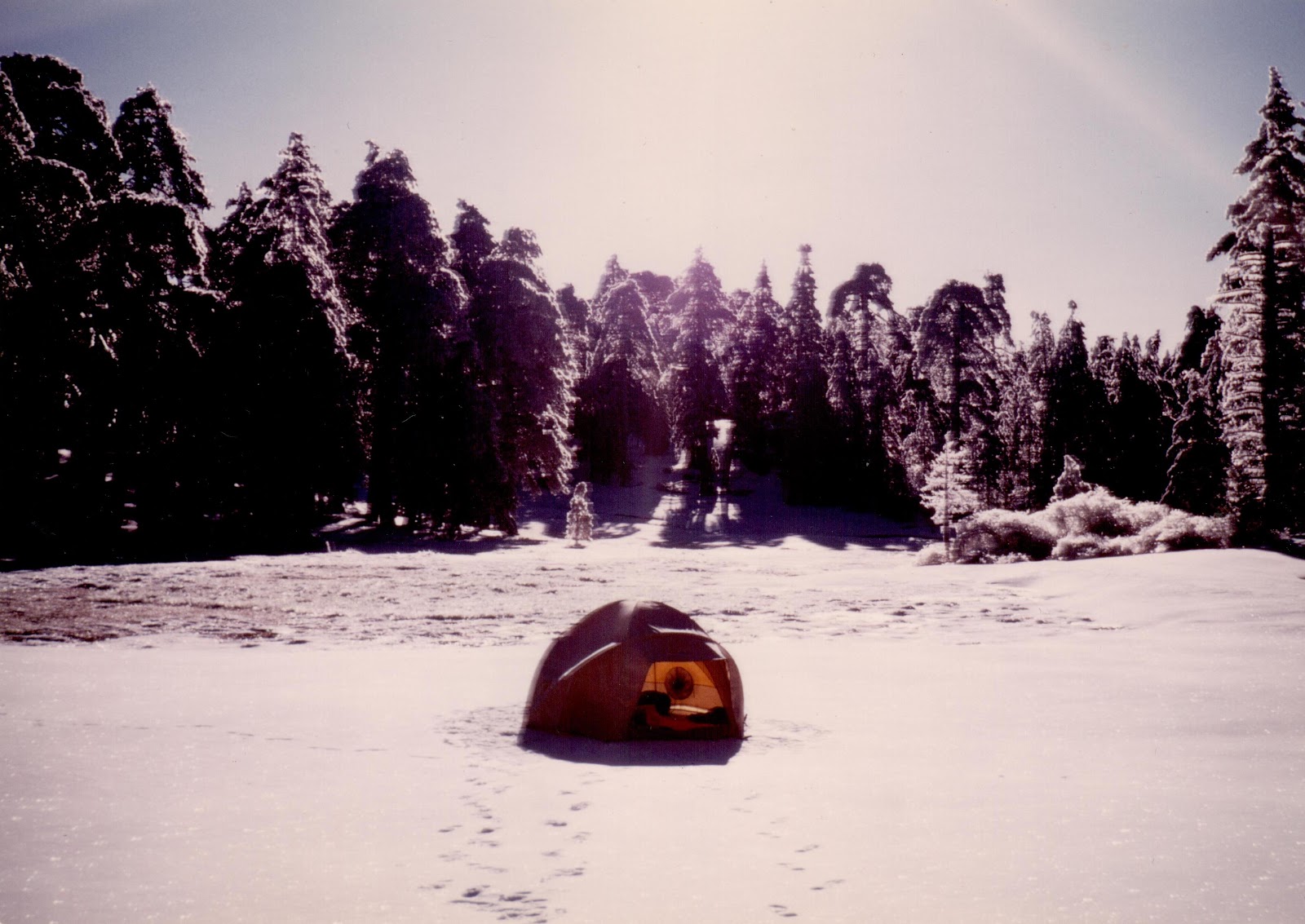
- You remember when the most common backpacking tents were A-frames—which looked just like pup tents built from nylon and aluminum.
- You thought a lightweight tent was anything under 5 pounds (2.3 kg) but worried if it would be strong enough in a storm.
- You remember what a revolution the first geodesic dome tents were—complicated and heavy.
- Henry Shires showed you how to set up an early TarpTent you had just purchased, on the front lawn of his old home in Redwood City.
Sleep Systems
- Your first sleeping bag had a built-in, thick, vinyl groundsheet under synthetic insulation covered in flannel, and weighed almost as much as your base pack weight today.
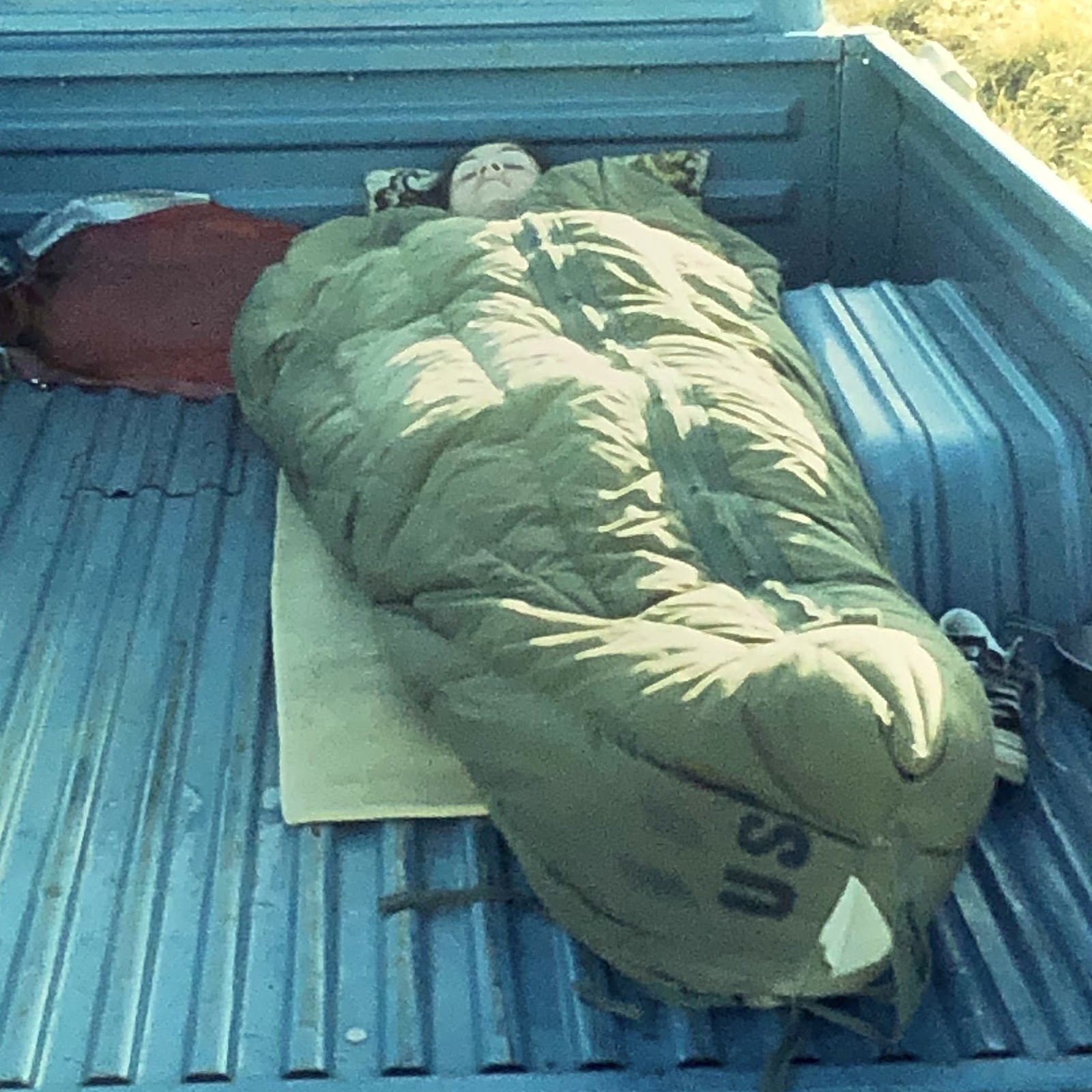
- Your second sleeping bag was Army surplus, filled with duck feathers held in place by cotton fabric and a chest-mounted brass zipper. But it was much warmer and lighter than your first bag.
- Your third one was a state-of-the-art goose-down mummy bag, in which you nearly froze to death during an unexpected snowstorm while cowboy camping.
- So you bought a much heavier synthetic bag. Which you used for a few years until you learned to sleep smarter.

- You replaced your popular beige Ensolite closed-cell foam sleeping pad every couple of years because Southern California smog kept rotting it.
- You were amazed but skeptical when the first Therm-a-Rest self-inflating mattresses came out.
- You waited about 30 years to buy one on sale, just to make sure it wasn’t a passing fad. It was okay, but you replaced it a couple of years later.
Footwear
- Your first hiking boots were high-topped cotton-and-rubber basketball shoes.
- You promptly melted the soles by standing too close to a campfire on a cold rainy night. While wearing a cotton T-shirt, jeans, and socks.
- Your Vietnam War surplus jungle boots were a big improvement. But they also gave you numerous blisters.
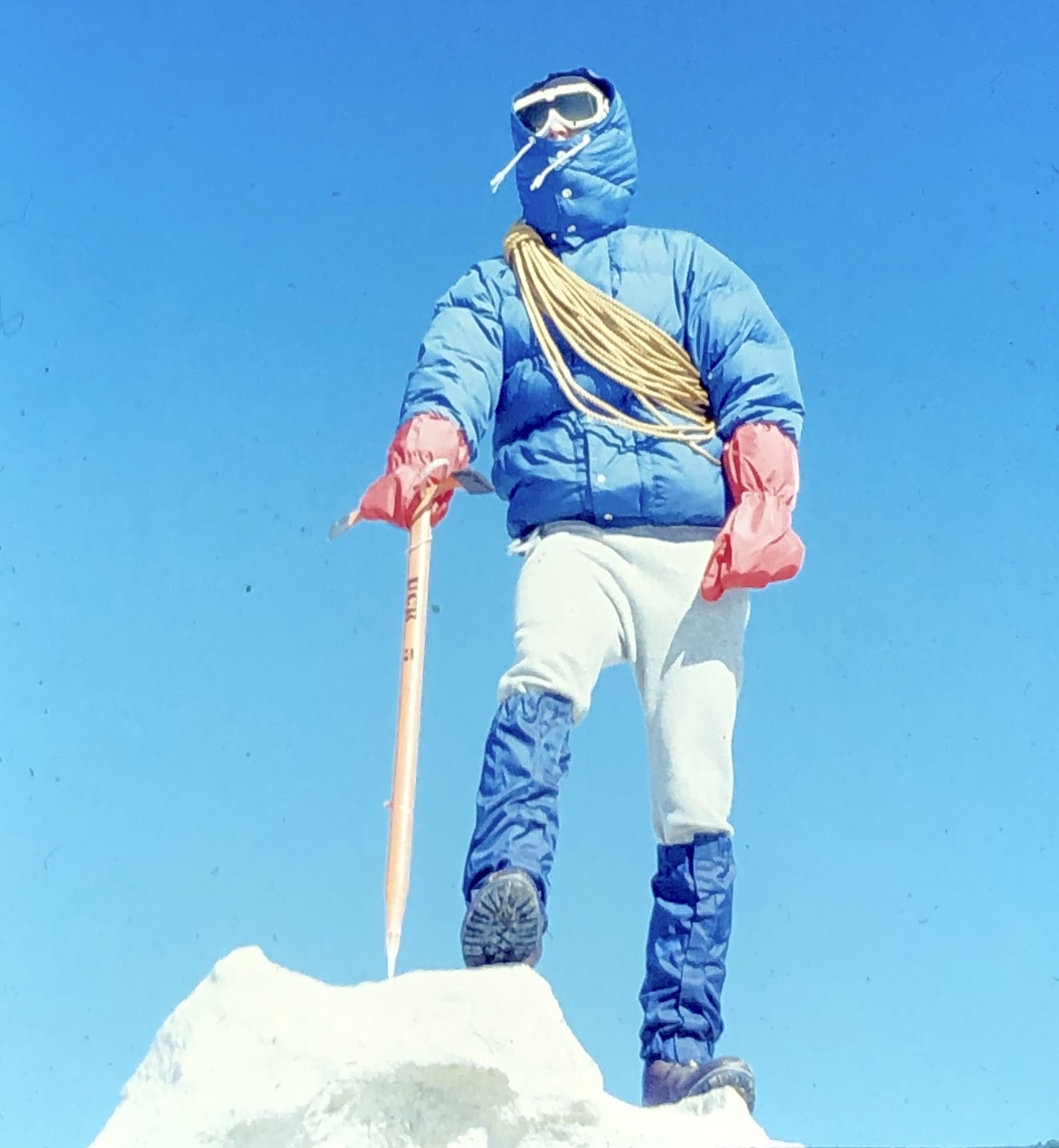
- Then you totally bought into the popular idea that heavy leather waffle-stomper boots were best, and would get more comfortable after a brutal and lengthy break-in period. Except they never did.
- And you laboriously rubbed in a half-pound of Sno-Seal in a fruitless attempt to keep them dry.
- Nike Lava Dome hiking shoes seemed like a miracle in 1981 when you took your first pair straight out of the box at the trailhead, then hiked 12 miles (19 km) of rugged trails—without blisters.
- After Nike discontinued them, you tracked down remnant pairs for years, because trail running shoes hadn’t been invented yet.
Food and Water
- You carried canned food. And fried Spam in a mess kit over a campfire. And made breakfast toast by impaling a slice of mangled Wonder Bread on a stick propped over the flames. Because that’s all you knew when you started.

- You thought freeze-dried backpacking meals were a miraculous invention. Until you ate a few and nearly gagged each time.
- You carried powdered lemonade to mask the flavor of iodine used to purify water. It worked, sort of.
- But you rarely purified water, and never got sick drinking from backcountry sources.
Pacific Crest Trail
- You didn’t see any other thru-hikers in the spring of 1980 while walking hundreds of miles from Campo to Weldon.
- You ran into exactly one trail angel, but they weren’t called that yet.
- And you spent the night throwing up in their bathroom, probably from PCT anxiety.
- When you first heard rumors of Eric Ryback hiking 40-mile (64 km) days on his 1970 thru-hike, you thought they were preposterous.
- Even 20-mile (32 km) days seemed out of reach while carrying a 55-pound (25 kg) pack.
- Since the PCT wasn’t finished, you road-walked more than 100 continuous miles (160 km) across the Mojave Desert—among many other highway strolls.
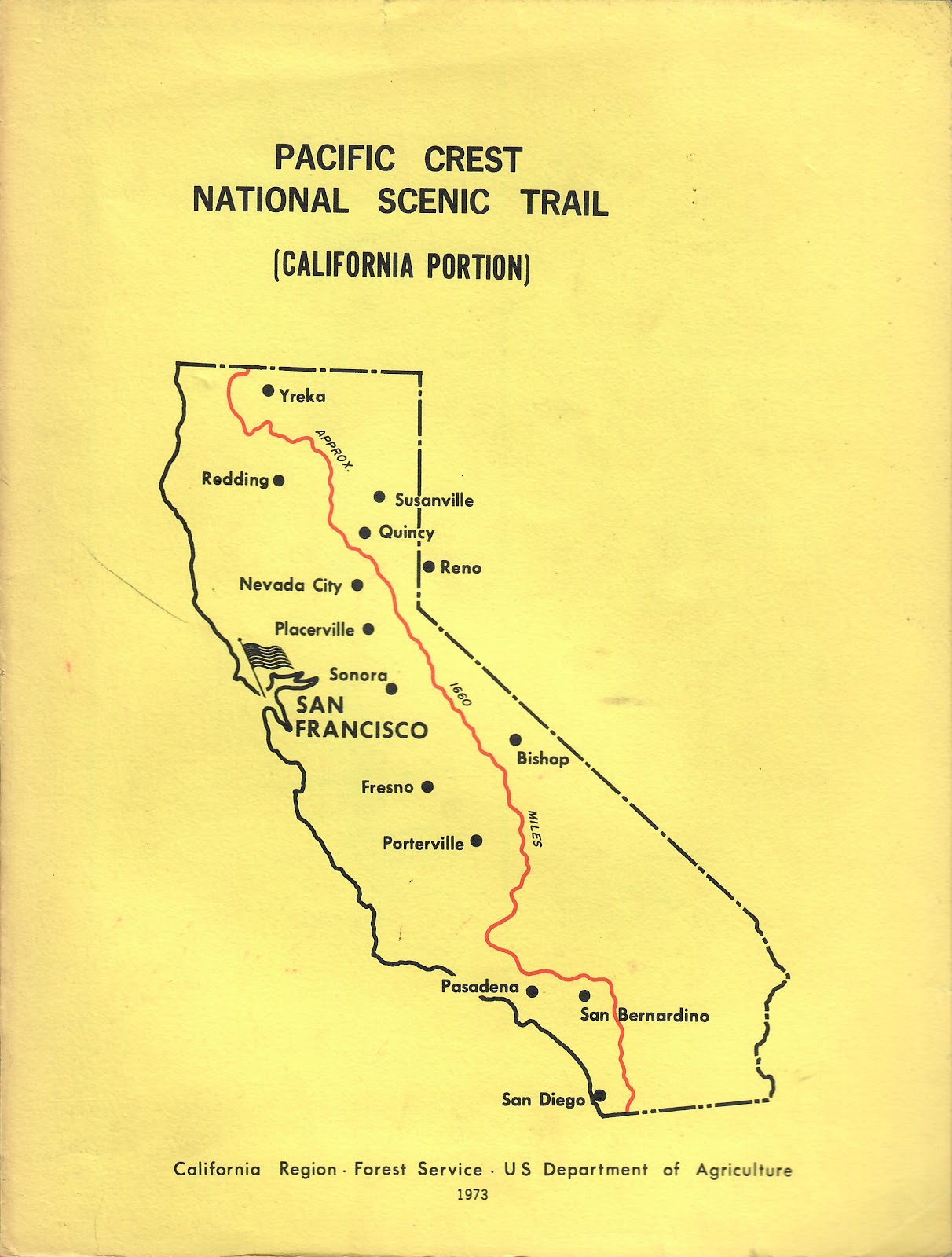
- You carried over a pound (454 g) of USGS topo maps, Forest Service maps, AAA road maps, and sliced-up Wilderness Press guidebooks, plus a good compass, because there was no GPS and no Guthook.
- But you still played “Where’s the PCT?” for days at a time. Often you gave up and muttered: “When in doubt, head north.”
- You made short, expensive, collect, long-distance calls from ubiquitous payphones in the front country, and even at trailheads, to keep in touch with your family and girlfriend in the same state. Because there were no mobile phones or satellite communicators.
- You thought minimizing mail drops was a good idea, but suffered while hauling two weeks of food between post offices.

- Resupply boxes included rolls of Kodachrome film, plus pre-stamped mailers to get the slides developed and sent home.
- You rationed how many pictures you took each day, and carefully composed each shot. Because film and developing were expensive, and you couldn’t see the slides until you got back.
Conclusion
I’ve learned a lot in more than 50 years of backpacking, and I wouldn’t trade those experiences for anything. But I wish I had better gear and a shorter learning curve. Get out as often as you can—even with imperfect gear and trails.
Remember: you don’t stop backpacking because you get too old—you get old because you stop backpacking.
Related Content
- More by Rex Sanders
- What have you learned over the years? Read this forum post, and then share what you’ve learned in the discussion below!
DISCLOSURE (Updated April 9, 2024)
- Backpacking Light does not accept compensation or donated/discounted products in exchange for product mentions or placements in editorial coverage. Some (but not all) of the links in this review may be affiliate links. If you click on one of these links and visit one of our affiliate partners (usually a retailer site), and subsequently place an order with that retailer, we receive a commission on your entire order, which varies between 3% and 15% of the purchase price. Affiliate commissions represent less than 15% of Backpacking Light's gross revenue. More than 70% of our revenue comes from Membership Fees. So if you'd really like to support our work, don't buy gear you don't need - support our consumer advocacy work and become a Member instead. Learn more about affiliate commissions, influencer marketing, and our consumer advocacy work by reading our article Stop wasting money on gear.


Discussion
Become a member to post in the forums.
Sigg Tourist
One of these has the integrated windscreen for a Svea 123
Anticipating obsolescence, I have a 3rd set that still has the tags on it. I will die before any of these will see their death.
Here’s an original Whisperlite in a Sigg Tourist set. The fuel hose is kinda deteriorated and on my list to replace.
Canteen stove I used a long time ago.
This picture is not mine, but I used the Oasis canteens for probably 30 years. They are still available directly from the company.
Did you know the upper pockets of the old Kelty packs were shaped to hold a military canteen?
Here’s the modern “lightweight” version of the military canteen made by Nalgene. Same exact shape and size.
More info here . . .
http://popupbackpacker.com/nalgene-oasis-water-bottle/
Left to right: Sierra Cup, the better Rocky Cup (late 70s or early 80s) and modern Ti cups.
All of them are awful, to be honest. Stupid light utensils we buy to save weight or pack volume by nesting. Nowadays I use a GSI Backpacker’s Mug that holds lots of volume and keeps my drinks hot enough to enjoy.
A bit of cup history here . . .
http://popupbackpacker.com/i-need-a-decent-backpacking-drinking-cup/
re: canteens.
For some reason the lids on all of the plastic water bottles that were available at outfitters in the 70s leaked. I had one of the green plastic canteens and it didn’t leak, but it was heavy. The drip drip when it was full was part of the experience. I discovered Nalgene when I worked part time in a chem lab in the late 70s.
Thanks for the memories Rex. My first backpacking trip was in 1969 to Hard Luck Canyon now the bottom of Pyramid Lake in So California. The canvas pack on the aluminum frame. Cowboy camping in a canvas covered Dacron 88 sleeping bag which attached with bungee cords bounced merrily as I walked in my Redwing work boots.
Its been a worthwhile 50+ years. Lots of trial and error, lots of trying the latest fads (Raichles and snoseal included), and finally settling into “my way.”
All of it for the good. I became a backpacker on that first Boy Scout trek and remain a backpacker to this day.
PS to Eric B…I still have my Snow Lion bag.
I’ve been predicting the resurgence of the external frame pack, with better, lighter materials and design, for about 15 years.So far, it hasn’t really happened. I’m just way ahead of the times, I tell myself.
But the Svea stove? Not coming back. Altho I still recall how to prime that stove before lighting it. That was fun in the PNW rain! I could probably do it from muscle memory today.
Nick, when you leave this earth, where will all that stuff go?
Is there a Museum of Backpacking someplace?
You made me remember my first sleeping bag, with the built-in vinyl bottom layer. Rucksack with no hip belt. Ouch.
Tropical chocolate, thanks Mark.
The Frostline tent I sewed.
All the boots, ragg wool socks, and blisters.
And so many more memories. Thanks for great article, Rex!
>”I’ve been predicting the resurgence of the external frame pack”
I bought the lightest Kelty option 15 years ago, while well into my second deep dive into UL gear and techniques.
When the very pregnant wife was “hiking for 3” (one on her back plus one in the oven), then I was carrying everything for everyone.
And meat is really heavy. In my meat sherpa role, I also want a frame pack.
A more modern frame pack could be just as functional and well under 2 pounds with the pack bag. I’d rather buy one, but I suspect I may have build my own.
A few more photos and stories.
Backpacking and college buddy Paul Hacker around 1975, somewhere on San Gorgonio Mountain in Southern California. He’s likely putting on Pivetta boots over ragg wool socks, sitting inside his almost-new Sierra Designs A-frame tent. That tent had a zippered half-moon opening in the floor so you could cook inside – see the stove photo in the main story. Next to the tent is my sleeping bag in a stuff sack, sitting on a real Ensolite sleeping pad.
Me at the old southern end of the PCT in 1980. Note the far less glamorous signage, the rusty barbed-wire fence that barely marked the border (we stuck a foot under the fence to say we started in Mexico), and the empty shack that appeared in many similar photos from those years. On top of the pile was my then-new orange closed-cell-foam sleeping pad; I still have chunks of that in the garage. The orange shaft strapped to my Trailwise backpack frame is an MSR Thunderbird ice axe with the head wrapped in a leather case; yes we carried ice axes from the border because of snow and ice in the mountains of Southern California. A similar Thunderbird appears unsheathed in my “posing” shot in the main story. I’m wearing a pair of Brooks running shoes but there’s a pair of heavy Pivetta boots in the backpack. The running shoes were a godsend for desert road walks, but gave me ginourmous, almost trip-ending heel blisters descending Mount San Jacinto on dirt roads. Probably carrying around 55 pounds in this shot. Sorry for the poor exposure, etc. Nothing automatic on a Rollei 35S!
Me hiking down a desert road on the PCT in 1980. I think this was taken near Scissors Crossing in Southern California. One of many long PCT road walks in those years. Rolled up inside the orange foam pad was a Moss Solus II tent, my favorite for many years until the polyurethane coating rotted. Similar design to the TarpTent Double Rainbow, with one arched pole running from end-to-end and mesh inner walls. Slept two snugly for around 4 pounds, needed only four stakes. Swapped that out for a North Face VE-24 when we hit serious snow on Mount San Jacinto, see the photo in the main story. Of course, we ended up carrying the much heavier VE-24 across the Mojave Desert; but it also stood up to howling winds near where forests of wind turbines stand now.
— Rex
Ken Larson’s canvas pack picture reminded me of my history.
I carried the same pack—Yucca pack—back in 1963—and pulled my first backpacking trip in Oklahoma in 1957.
My garage is not nearly as capacious as Nick’s, so I tossed most of the old stuff some time ago, but I did keep this bag from Adventure-16 (R.I.P.) from the mid-seventies. Most everyone in Southern California shopped at one of the Los Angeles or San Diego locations; they made a variety of nylon bags and some other items. They also rented equipment and hosted slide-shows and even the early Sierra Club Wilderness Training Courses (WTC).
@Rex Yes, my first real pair of hiking boots were Pivettas, 1969. Actually, in Junior High School in Palo Alto at the time it was a fad to wear climbing boots. And some kids also ran around barefoot- it was a different time for sure.
You forgot your ragg wool sweater. With a cotton t-shirt underneath because you couldn’t take the omnipresent itching.
I think that people associate external frame packs with heavy loads because when they were popular, lightweight backpacking wasn’t a concern. In other words, people packed heavy. And then the idea became, with lighter loads one doesn’t need a frame. Except that frames crept back in in the form of internal stays and frame sheets. And beefier, more comfortable hip belts also have returned. In the end, most internal frame packs weigh as much as the old external frame ones, or anyway an as-light external frame could easily be produced.
Most people have never carried an external frame pack, so don’t know how to compare them with internals.
As David point out, with heavier loads those in the know want an external frame pack. But doesn’t that just suggest that externals carry loads better in general? Why would a 23 pound load carry better in an internal and a 40 pound load carry better in an external? More likely, the 23 pound load carries better in an external as well.
Now I have to go take a nap before watching re runs of Gilligans Island.
p.s. I really like Nick’s picture of the canteen stove! nice design.
Love the throw back! These old Danners may not date back to the 70s but they’re not too different from what I was using at the time. Of course Vibram soles were a must. The Long Trail guide is from 1971. I remember one AT through hiker who stopped to have lunch with us at Big Branch shelter in Vermont. All he did was mix some water from his canteen with some Lipton instant pea soup in one of those little tin cups. He scoffed that down, bid us adieu, and was on his way. Not long after I read about a new record being made for the AT and all I could think about was this fella’ with the instant pea soup.
Oh, and don’t forget about Colin Fletcher’s The Man Who Walked Through Time!! Good times.
My cotton fish net T-shirt and bottoms likely saved my life in Dec. 1974 when I skied downhill at 10,000 feet in SW Colorado to spend the night. The night before I was at 8000 feet and I did fine. But the second night I woke up at 3 AM shivering uncontrollably. I knew that I was in some stage of hypothermia, but there was no way that I could muster the strength to break camp and ski 800′ back up to my car at the pass. So I fired up my white gas Optimus 8R stove and pounded down 4-5 cup-o-soups, followed by several chocolate bars. Finally a sort of warm glow came over me, which led me to believe I would likely be OK. Either that or I was entering stage 2 hypothermia. I woke up again at 7 AM and I felt OK to break camp and ski out.
When I got to Silverton I had breakfast in a diner. The crusty old cowboy I sat next to at the counter said “Howdy, greenhorn.” I asked him how cold it got the night before. He replied “Minus 32* F at my place, why do you ask?” I told him that I had camped at the pass. His reply was “You stupid S.O.B.!”
Two years ago I decided to treat myself to an X-mas present. I contacted a great gear store in Kalispell, MT (a state with no sales tax), and they set me up with a set of Byrnje (sp?) fish net wool pieces. These are far better than the cotton version of the 1970s. When it’s really cold here in December, I wear the fish net next to my skin, layer pieces of 240 wt. merino over those, and then wear a pair of WM Flight pants and a serious down parka over everything. With a good pair of insulating boots, I am good to -20* F.
So… some of those 1970s gear pieces worked (kinda), but the Norwegians truly have the fish net thing down now.
Yeah, the PCT. Brings back memories of very hard manual labor using pick, shovel, pry bar and Swedish gas powered rock drill. (Plus ammonium nitrate explosives to blast the trail through rock faces.)
I was a trail builder with Bell Brothers working on the Snow Creek section near Wildwood, CA in 1980. Slept in my Jansport wedge tent with my Gregory Wind River internal frame backpack hanging off a tree as my “closet”.
Cooked on my SVEA 123 stove and SIGG TOURIST cook kit. Slept on a 3/4 length early (brass valved) Thermarest and thought it very comfortable. Kept our beer in Snow Creek, just by our camp. Used wood water bars as furniture. Pay was $12.90 per hour, a princely sum for laborers at the time. In late August I headed back to Erie PA to begin teaching high school again.
I’d met Bruce Bell, one of the 3 brothers who owned the business, when we were both Nordic ski patrollers at the 1979 Lake Placid Pre-Olympics and 1980 Olympics. Pestered him for a job until he told me “OK” and I bought a one way plane ticket from Erie to LA, where Bruce met me at the airport. I was 38 at the time and so was able to toughen up quickly with the hard work. Great memories.
So my ties to the PCT are “original” in the sense that we built it from scratch following US Forest Service survey stakes. Every time I see a rock-supported switchback I know d@mn well just what it took to build it.
Ah, the brass-valved Thermarest! A great way you freeze your lips in cold weather. Like licking the flagpole! Fortunately the valve was not very large, so when your lips froze to it you just had to be patient, keep blowing, and not move your lips too much. By the time you finished blowing up the mattress, the brass was warm enough so you could remove your lips without leaving skin on the brass.
When they came out with a plastic replacement valve sometime in the 80s it was a very popular retrofit.
Cameron: Yeah, lots of good gear came from A-16 back in the early 1980s and prior. Organizer pouches, a very light 2-gallon water carrier (plastic bladded inside a nylon sack), even some packs and tents.
“Those were the days, my friend, I thought they’d never end,
We’d sing and dance forever and a day.”
Yet, I hope I die (FYI at least not for a decade ), anywhere along the PCT, in my Lone Peaks, with my DCF pack, on my back,
Val-deri, val-dera…
GK
This is a great article and discussion. I too am not nostalgic for the 45 lbs packs for an easy overnight hike.
I read and followed everything Colin Fletcher wrote. I just recently re-read his last book, “River”. It is about his six month journey, mostly by boat, down the Colorado River. He was in his late 60’s and had had heart problems before the trip. He is a really good writer and he is coming to terms with the fact that he has more miles behind him than in front. I can highly recommend it to those of us in this group that are thinking about the same issues and getting outside has always been and important way of knowing anything.
Scott
External frame packs vs …
About 20 years ago, I bought a high-tech external frame pack that weighed a little over 2 pounds. After a couple of weeks struggling with too many adjustments, I just couldn’t get it to fit me comfortably while carrying 20 to 30 pounds, and returned it.
A few years later, I bought an HMG Windrider internal frame pack in my size, just under 2 pounds. After a couple of minutes tugging at two shoulder straps and a hip belt – the only available adjustments – it fit me like a dream.
For me, suffering rises dramatically above 25 pounds total pack weight, with 35 as my upper limit. No matter what style of backpack.
Backpack fit and low-enough total pack weight are crucial! External or internal frame – much less so.
A16 water bladders
Loved those for long dry stretches of the PCT in 1980 until we laid a full one on the ground in the Mojave desert. Minutes later it was leaking badly, punctured by an unseen patch of goats-head thorns. Threw it away in the next town, and never carried one again. I knew from painful experience that those “stickers” (as we grew up calling them) were all over Southern California. Now they are “widespread throughout the world.”
— Rex
@rex, thanks again for your article. It has refreshed many wonderful, and a few painful :) memories that had been hidden away for many years. I tend to prune things I am not using and used to avoid having my picture taken so I don’t have a lot of external things to trigger old memories.
@ngatel thanks for the picture of the oasis canteen… I remember being so pleased when I switched from a metal army surplus canteen to it. Used mine for something like 30 years until I replaced it with platypus water bottles in the 1990s.
Unlike @rex, I didn’t run into problems with thorns, so the A16 nylon water bag with liner was a great find… reduction in weight from the round, 2qt? metal with wool covering dessert canteen I was using and that the genuine goat leather bota I foolishly tried.
I smiled at the description of the sierra cup cooling hot contents too quickly while at the same time burning your lips. I am glad I am not alone in that experience. I stuck with mine for way too many years before finally concluding that it just didn’t work for me.
The one old is new thing for me is wool. When I started out I was using scratchy wool clothing which we found performed better than cotton and denim. In the later 1970s my dad and I switched to synthetics. In the last 5 years rediscovered (at least in daily life) the wonders of wool.
Thanks to the magic of Google Streetview, I can virtually revisit a couple of photos decades later.
1980 left, 2017 right. PCT Southern Terminus.
1980 left, 2019 right. Scissors Crossing, and the permanent PCT route, is about 3.5 miles ahead.
Weird.
— Rex
Become a member to post in the forums.