Jeff M;
Re: “I disagree with this. TarpTent’s patented struts on tents like their Stratospire and Notch, and Durston’s unique offset trekking pole outer and rotated inner have done a lot to maximize interior space without having to resort to a “dome” style tent that requires a full set of poles.”
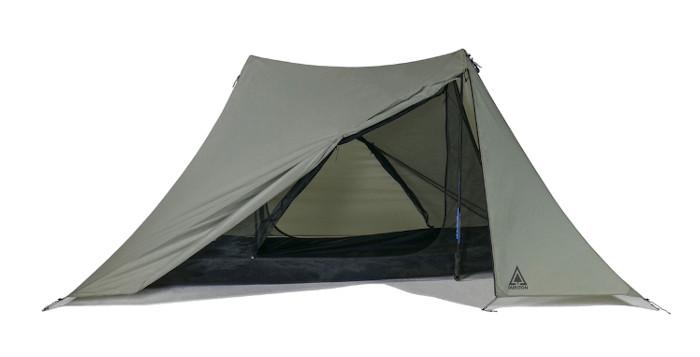
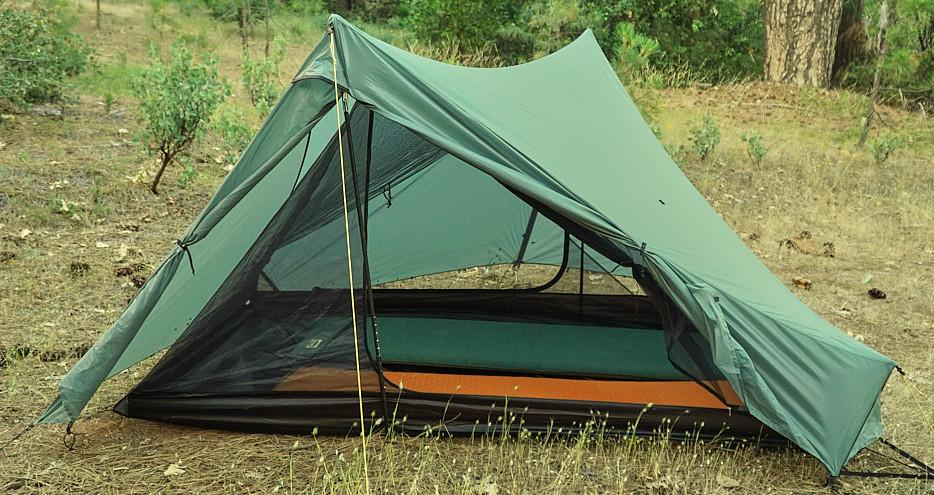
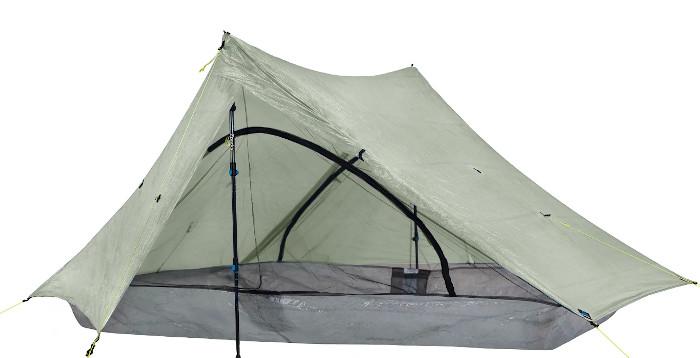
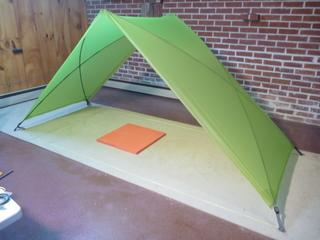
Just a few posts earlier, the OP, Monte M, posted a video that addresses the shibboleths concerning X-mids and Duplexes, not to mention the Tarptents you mentioned. They all look a bit different; but share the same problem with A-frames: namely, claustrophobic cramped space, due to slanting walls that slope so sharply inward they overly confine the occupants. Tarptent’s “Pitch Locs” do raise those walls up a bit, but not enough to approach anything like a dome tent. They are all side entry tents, and have the gall to stick the only real support, trekking poles, somewhere obstructing the entries. The tents in the video were so suffocating, I had to stop watching it. We only need the tents in adverse weather; and if it gets real bad, we can be stuck in them for a day or more.
Granted, as your reference to a pole set implies, a palatial backpacking tent is going to be far too heavy to qualify for backpacking light. It is a tough problem, and hikers are spending inordinate amounts of money to lower tent weights with laminates like DCF that do not last anywhere near the life of a good woven fabric. That is why I’m so critical of the industry.
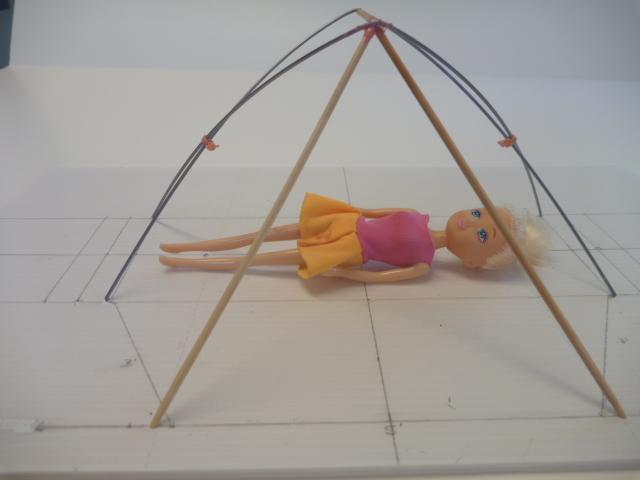
But there is some hope. As I posted yesterday on a current thread in this forum, the best carbon tubing for poles is relatively inexpensive and weighs less than a quarter ounce per running foot. And there are different pole configurations that can make tent walls convex rather than flat or even slightly concave, while eliminating obstructions from upright trekking or other poles completely. Here is a model of one:

The scale is 1″= 1′, and the doll is 6 feet long. The metal represents the flexible poles, and the wooden struts show the approximate location of seams on the fabric, although the vestibule seams would be catenary cut, and therefor slightly concave.
Because the metal framework uses elbows to form a double crossed convex wall, there is much more inner space created for weight, and some full scale canopies have been constructed that show a convex curvature with an outward deflection of 8 to 10 inches just above the pole crossings. And because the pole framework is completely free standing, the pressure on the 4 to six stakes needed is far less than on a tent where the trekking poles or other supports are held up by stakes.
However, my question in an earlier post, above, was asked with only one pole, not two crossing poles, in mind; such that the tent would look like a mid, only with two opposing walls bowed out. It would place more stress on the stakes in high winds, but the weight reduction might be worth it. Hope this clarifies a bit my earlier posts on this thread.