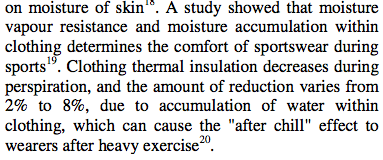
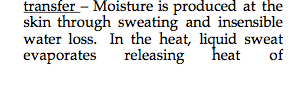
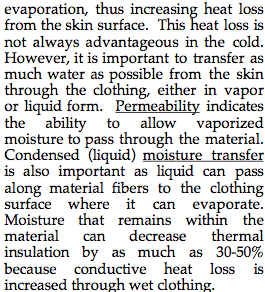
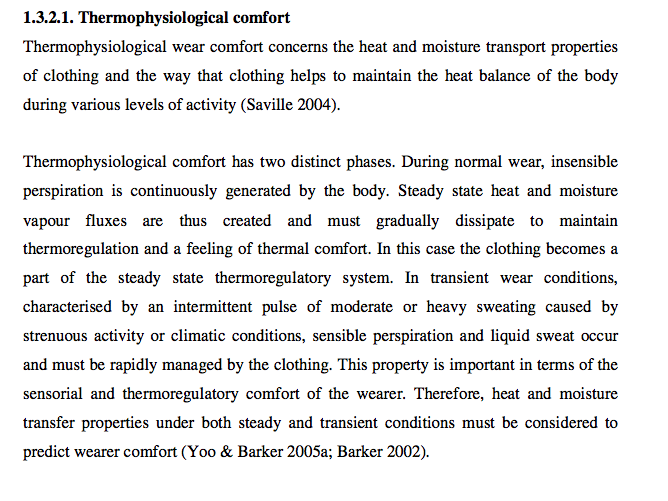
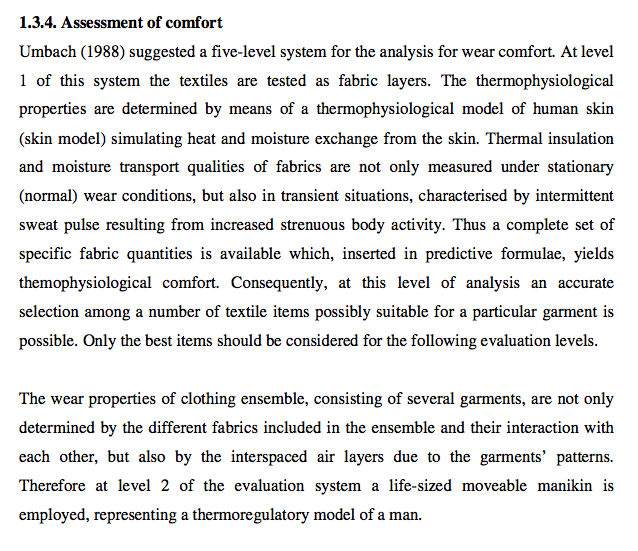
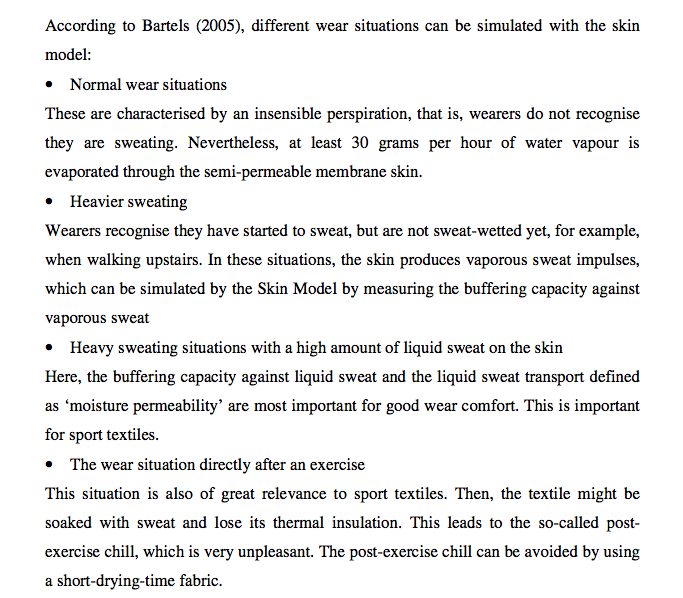
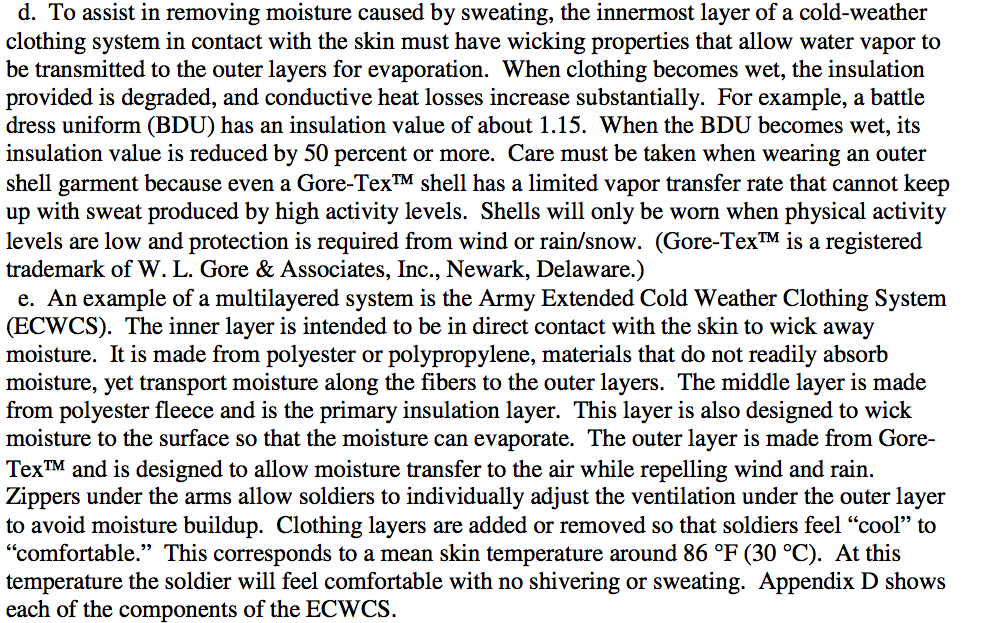
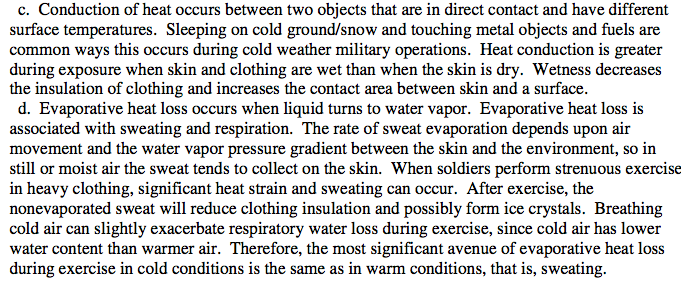
Matt D. wrote, “Justin, in this particular scenereo (extreme cold and wet), evaporative cooling IS NOT the primary form of heat loss. If your base/mid layers are saturated from sweat, and your outer layer has wetted out, the greatest risk is from simple conductive cooling directly to the outside air. I believe this is what Eric is saying. Cold humid is the worst, since the air itself is saturated and there’s no room for evaporation to occur. The cold humid air is effectively an energy conductor.”
Contrary to Eric’s constant insinuations, i’m basing this on repeat experience. I hike primarily from late Fall to early Spring. I’ve been out in sub zero temps and very wet, lots of freezing rain and, hovering near freezing temps. I have tried various different baselayers in those (and other) conditions (desert, tropical, etc).
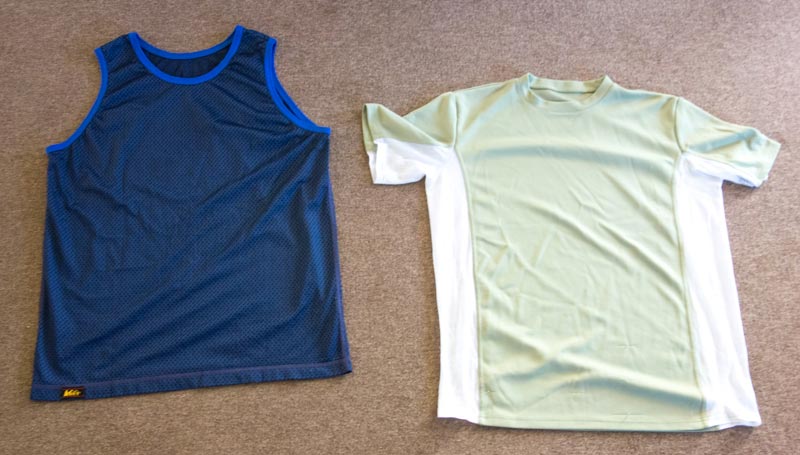
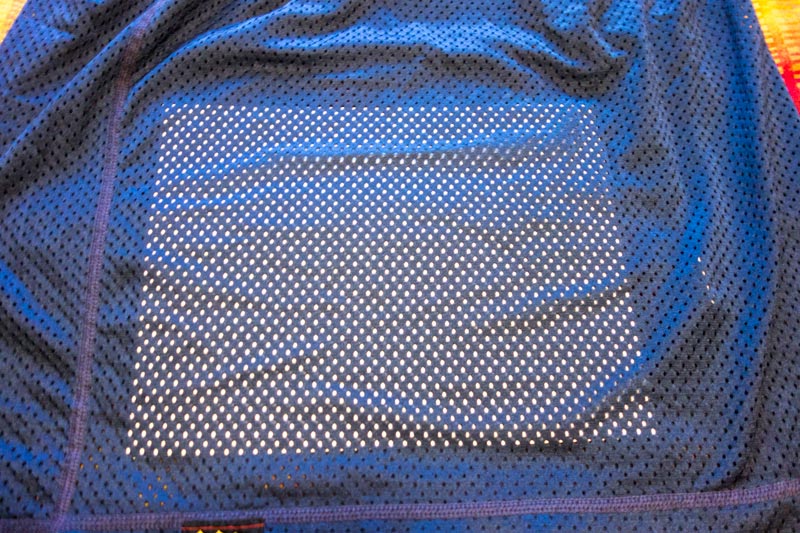
I have noticed that in both very cold and extremely dry, and in cold and wet conditions, that i feel most comfortable when i wear a Cap 4 type baselayer or a fishnet. I have 3 fishnets btw. A polypropylene one, a nylon-spandex one, and an Alpaca-Synthetic knit blend that a friend made for me. I have not yet tried the last one, because i received it after the cool weather ended this Spring. It’s also much heavier than i would have liked.
In some ways i most prefer the polypropylene fishnet over the other pieces. Why, because i know that i could fall into a creek, or get completely soaked from cold rain, and that piece would always provide me a nice layer of semi-dry air. It absorbs practically no moisture.
Since it does not wick much at all, the comfort can only be explained by a combination of the following. PP has the lowest thermal conductivity of any commonly worn fabric type material, it’s extremely hydrophobic, there aren’t enough fibers and fiber interstices to absorb appreciable amounts of moisture, and it constantly maintains a thin, insulating air layer directly on the skin. It allows evaporation directly from the skin, which imo, regulates it somewhat, especially when it’s very cold and very dry.
I’ve experienced first hand what Ryan Jordan has written about as far as flash freeze with traditional, thin, very well wicking and very quick drying polyester baselayers. I was out one time for a weekend trip when the high was around 10F on Sunday, and when still hiking in the early morning (so like temps from 3 to 6), with moderate wind, i could feel the cold wind go through my windjacket, my thin mid layer, and to my baselayer, and even though i was trying to regulate my sweating, my back was (and is pretty much always) soaked because of my pack. When i took my pack off at rests, i became very chilled. It seems that the thin, very well wicking, quick drying poly baselayer was drying fast enough to really lower the temp of the material and air/water next to it.
I have not experienced similar with Cap 4, Fishnets, nor Merino-synthetic blends. For the first two, what explains that to me, is the greater air gap, and for the latter, the slower, less efficient, different and non “spreading” wicking that Merino does. Also, Merino is a good all around insulator in general. However, i don’t like that the Merino, even when blended with synthetic, can get to the point of feeling a bit soggy (especially when it’s cool and very humid and wet). So while i like the odor reduction, i prefer the overall comfort of Cap 4 and fishnet in that regard.
Have you or Eric extensively used fishnets? If not, i recommend giving them a try. The Norwegian Military has made fishnet baselayers their standard issue baselayers The Nords know a little something about cold conditions, both extreme and very dry cold, and very wet, humid cold, depending on where you are in Norway or Scandinavia in general.
I would say that in this area, Eric is the one speaking from a lack of experience. If Polyproplene didn’t get so dang stinky, it would be my favorite cold weather (whether very dry or wet) baselayer hands down. That’s why i really want to try my Alpaca-Synthetic blend fishnet, because i suspect it will be near as comfortable as the PP one, but without the stink (Alpaca and Merino have similar properties when it comes to odor reduction, but Alpaca doesn’t absorb as much moisture and has stronger tensile strength per individual fiber).
I hope this thorough explanation based on my experience helps to clear up things a bit. If folks don’t believe me, i suggest trying these different pieces in the similar varied conditions that i’ve outlined. As mentioned previously, or on another thread–when in Costa Rica, when active, the only thing that kept me semi comfortable and not completely soaked, was the thin, very breathable, well wicking OR Echo shirt.
I should add that in those cold (both very dry/extreme cold and wet) conditions outlined, i actually like to wear a wicking, quick drying baselayer as my mid layer or directly over the Cap 4 or fishnet baselayer. Since i run warm, the combo of these, with a windjacket and/or rain gear, can do me good in a wide range of temps and conditions when active. I have also worn 100 wt type fleece. For very cold or very wet and cool/cold conditions, i might combine the above with a regular or grid fleece vest with the back cut out, or my very breathable 2.2 oz/yd2 Apex, front only insulated vest.
I like to think outside the box.