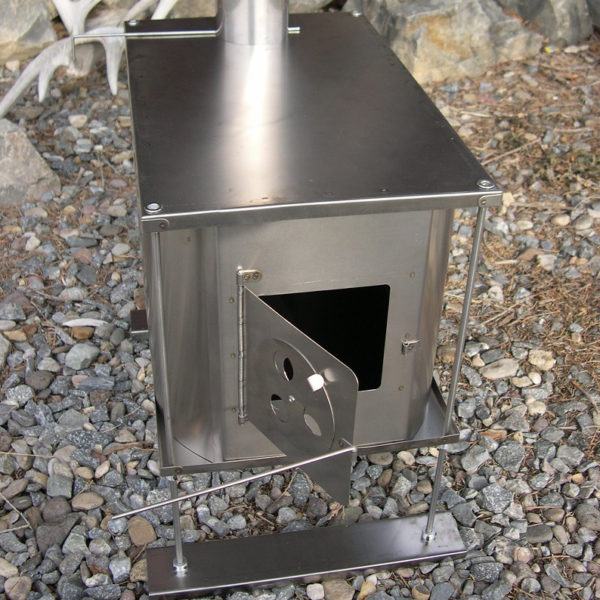
John Clever has it right—Four Dog stoves are/or used to be the gold standard for hot tent living—including wall tents, yurts and tipis.
I lived in a North Carolina ridgetop tipi for 21 years and always had a stove in the thing—it’s the only way to go versus an open fire.
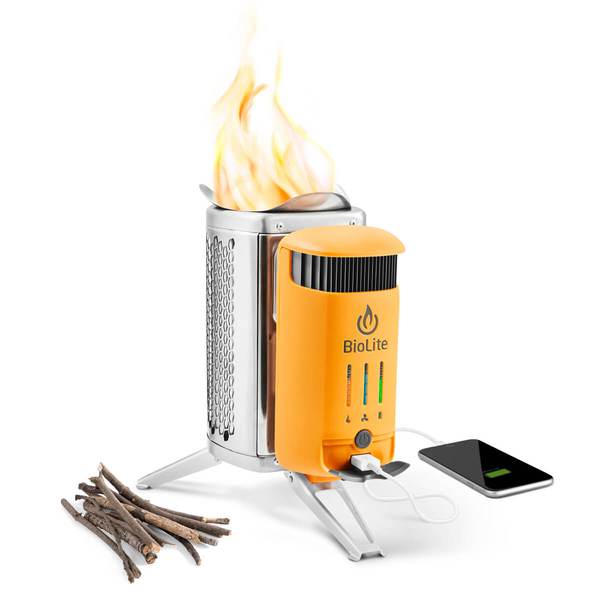
As others have mentioned, a small woodstove is inefficient and a hassle—because the wood has to be cut very small and the burn time is so short. The bigger the stove, the better. Ergo it’s heavier.
The way I see it, there are two kinds of hot tents—backpacking portable hot tents and basecamp—not backpacking—hot tents. I don’t really see the advantage of daily backpacking with a hot tent—packing up camp and the stove and stove pipe etc—what are you gonna do with hot ashes in the stove on a bone dry windy day with dead grass and dead leaves everywhere??
In the dead of winter on a backpacking trip my Hilleberg Keron tent is my “hot tent” and my WM Puma -15F down bag is my “woodstove”. This allows me to move on a daily basis without the hassle of using a stove or unrolling a stove pipe or possible ash holes in the tent’s fly etc—and the problem with discarding hot ashes.
A semi-permanent set up is where the hot tent idea shines—set it up and spend a week at one spot and then pack up and move.
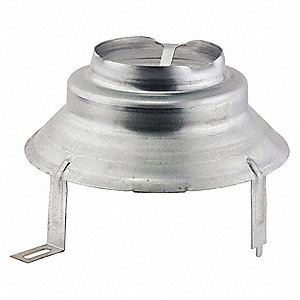
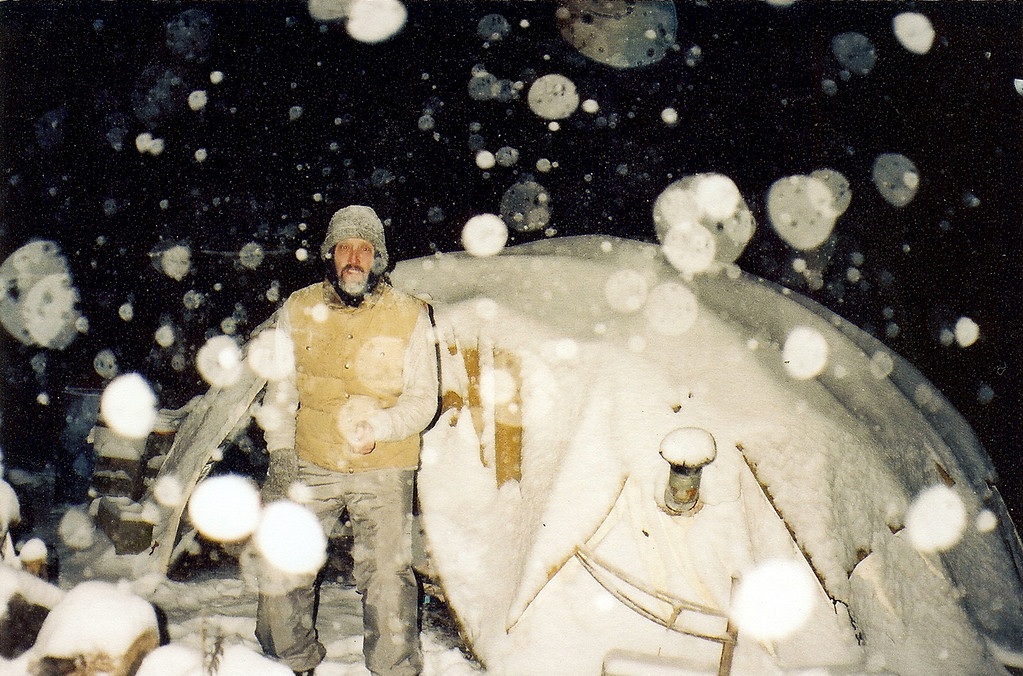
My hot tent set ups were permanent—years at one spot, in fact. One time I built a Witu lodge (wigwam) and used a small portable woodstove inside—built like a big sweatlodge with saplings and canvas etc—here’s a pic on Chickasaw Creek in TN—notice the small stove pipe.

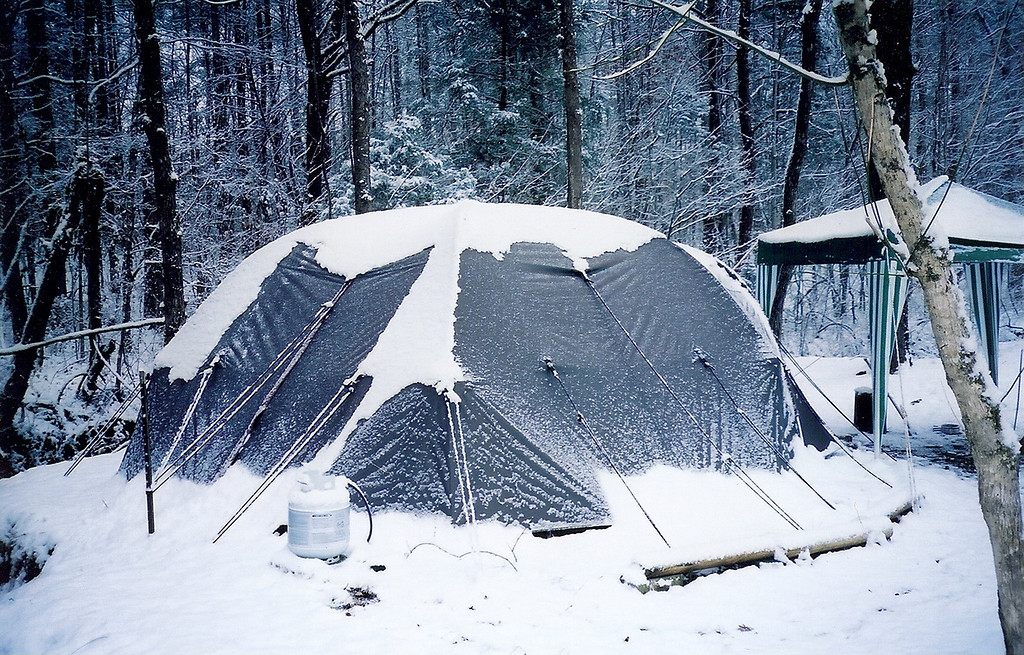
Another option is to use a Mr Buddy heater and put a propane tank outside with a long hose—I traded in my Witu lodge for a 12×12 Cabelas Xtreme weather dome tent.
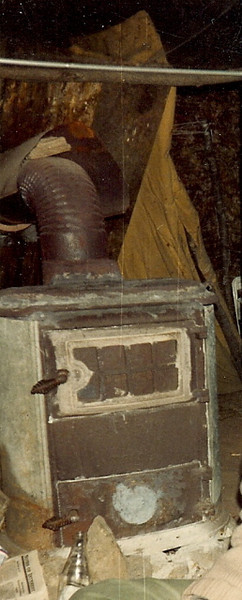
My first Tipi woodstove was a busted up thing I found in a dumpster—and completely upgraded with new sides and plenty of stove cement. It was a little heavy but I humped it up the mountain on a 1 mile trail with a gain of about 1,000 feet—a nut haul.