I agree mostly. I know I use a simple 4 layer aluminum screen that can be notched for the hose on one side and is about an inch open on the other. While it is certainly possible to use a tempered pie plate or serving dish as a source for the AL, it really needs to be annealed first, else it can crack from being bent. https://process.arts.ac.uk/content/annealing-softening-aluminium-plate/index.html
Special rivets, fins, vortex inducers, etc can be added in, the weight becomes a matter of questionable utility for trips less than three weeks. typically the weight of fuel saved with an HX pot and windscreen combo, is less than the weight of all the extras on a wind screen for 4 days.
You should always use your stove on low, ie, the heating is slow enough to allow conduction through the pot to overcome any cooling by the ambient air. In colder weather (down around 20F/-7C and lower) this might look more like a medium flame. In warm weather (around 50F/10C) it is much lower and looks like a low setting.
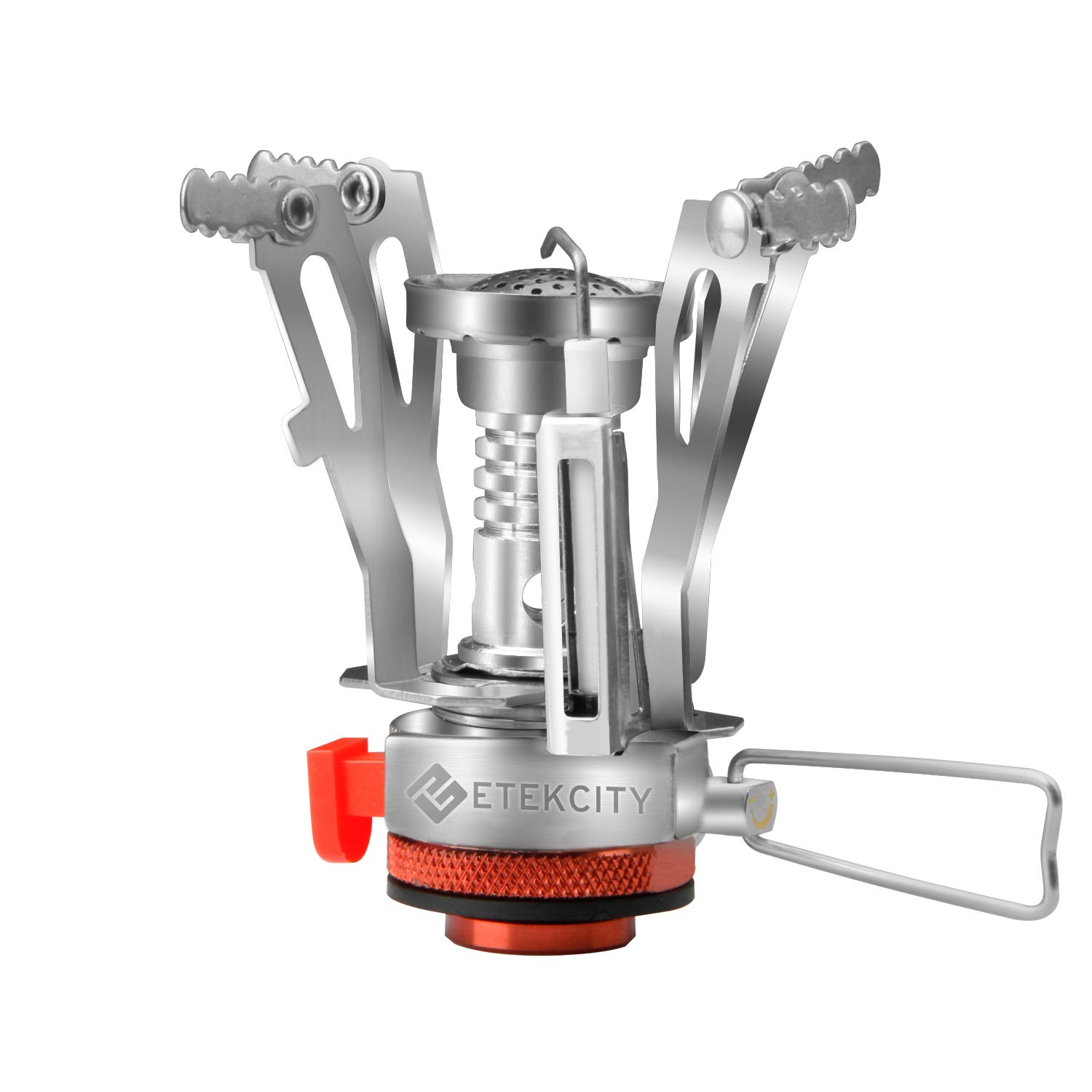
The biggest thing about JetBoils are the speed of heating. They also make use of an insulated sleeve around the pot. Yes, they save a bit of fuel, but speed is their primary concern, not fuel efficiency. Overall, I can match the JetBoils with a simple pot and windscreen for fuel consumption. It has gotten so I can guage the flame weight by sound using Roger’s V1, FMS-300t stove. A very light efficient little stove. It also lets me cut down on the windscreen height saving a bit of weight.
At around 1/8-1/4″ air vents (adjusted by eye) the closer wind screen can induce a vortex back at the pot, too. Actually, I assume several are created due to flow differences around the pot edge, functionally the same as a vortex inducer. The slight opening will let any additional exhaust gas to escape, but this is usually more of an air inlet, than an exhaust port.
As far as timing goes, yes, you can get a 1-1:30 min boil for a half liter. You can also spend close to 18-19 minutes. Longer burns on low are generally more efficient at heat transfer, but the ambient heat loss will catch up with you…between 7-10minutes seems the most efficient range. Interestingly, the lower times are better in COLD weather, not warm weather as you wold anticipate.There is greater heat losses in colder weather which mean turning up the flame to overcome this and the water will boil a bit more efficiently. But, we are only talking about two grams of extra fuel. An insulated wind screen is nice, but is more weight than it is worth. About the same for insulated pot lids, etc. But the savings are again, not worth it for all the fuel you will save in less than a couple weeks.
Simplicity, ease of use, overall weight, packing efficiency and efficient boiling are all needed in good backpacking windscreens. It is hard to beat a simple foil windscreen, used for efficient boiling and fuel savings.