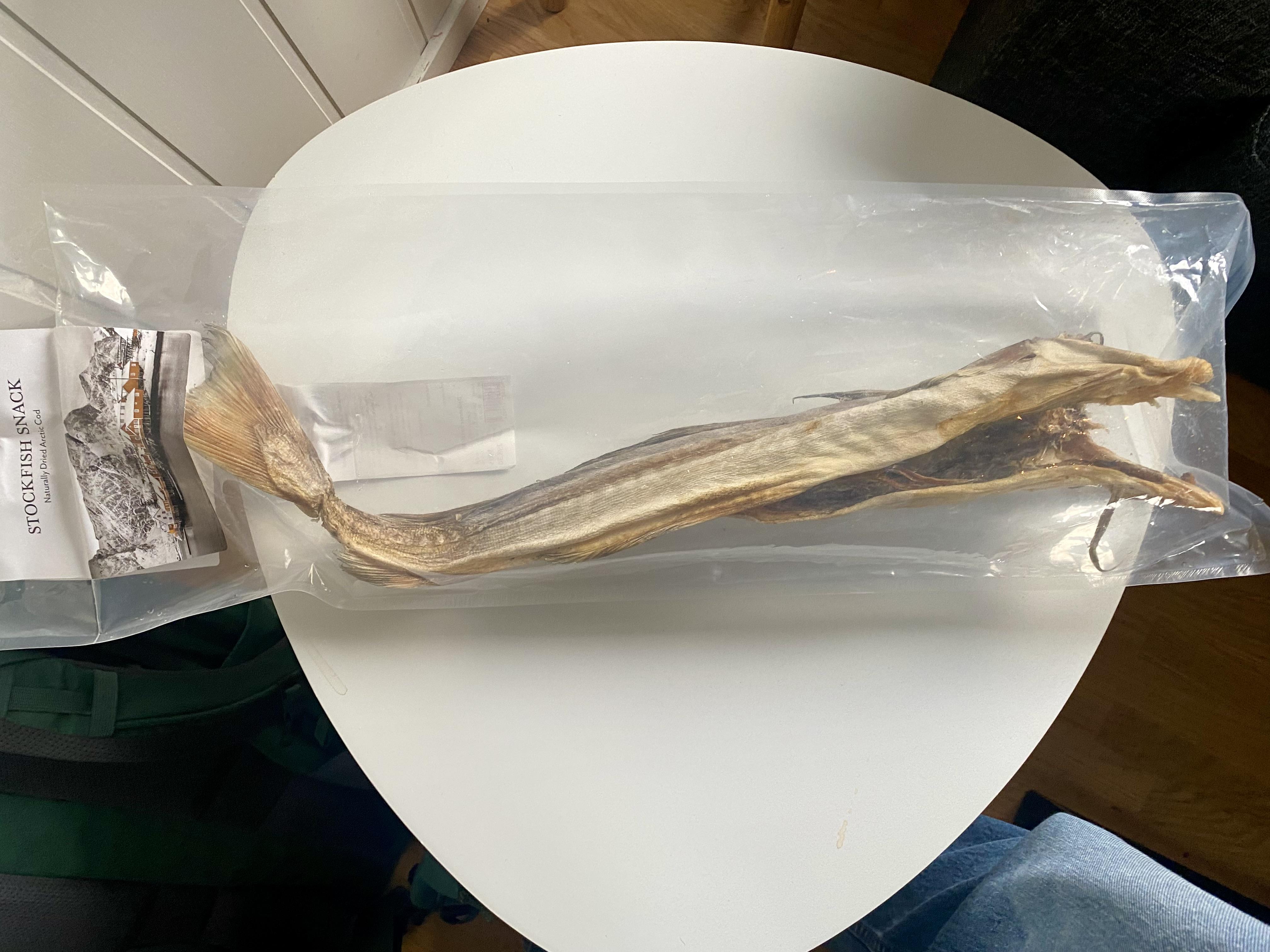
I am going to Norway next month and I heard about a food called stockfish. Apparently, it is typically cod that is unsalted and hung out to dry over the winter. Once dried, it will last for up to 3 years. You rehydrate it, remove any bones or skin and use it like regular fish. It is extremely light weight and very high in protein. Anyone here try it while backpacking?
Topic
Stockfish
Become a member to post in the forums.
- This topic has 13 replies, 6 voices, and was last updated 1 year, 7 months ago by .
Closest I’ve done is bring smoked sockeye salmon.
Having encountered some Icelandic dried-fish items, I’d test it for edibility (my criteria) several times before taking it on a trip. Like muk-tuk (fried whale blubber), it might be an acquired taste that I haven’t acquired.
Some traditional foods have to be prepared exactly like grandmother did. Fermented fish (e.g. “stinky-head fish”) in Alaska used to be buried in grass baskets but now plastic buckets are easy and available. Alas, they are also airtight, the fish goes anaerobic, and botulism can develop.
I could imagine a lean cut of fish, essentially all protein, being very light if completely dried out.
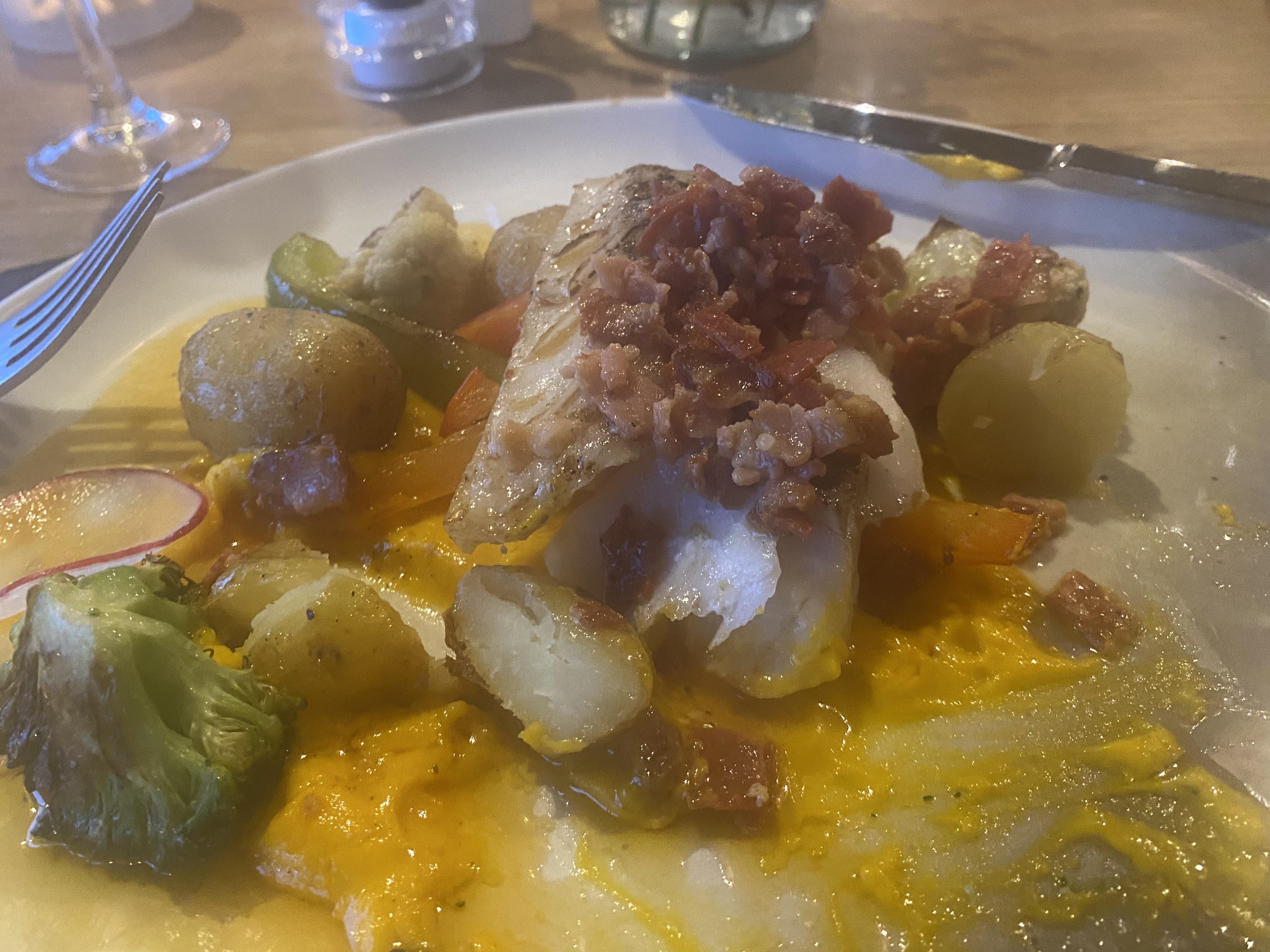
Ok, when in Norway, eat like a local. Â I hade stock fish last night for dinner. Â The fish was a lot denser that fresh Cod. It had an interesting texture, not bad just different. Â The cook told me that you soak it for 5-7 hours and then boil it for 10 minutes. Â The picture does not do it justice as the fish flakes like you would expect it to. Â I am going to pick up some and experiment with it at home.

Very interesting
While it’s traditional Norwegian food, is it a staple or a novelty?
I’ll let you know as I continue my travels.
There’s probably a reason why America doesn’t have any Norwegian restaurants.
Sea merchants from Scandinavia trading with the Bordeaux region of France introduced it into France. In the 18th century it traveled inland along the Lot river to the inland mountainous region of Aveyron, where locals mixed it with fresh cream and potatoes. Today, it is still a famous regional dish. The name has been francofied. The “stofi” part of Estofinade, which is what the dish is called today, is derived from stockfish. The slightly chewy texture of the dried fish marries well with the comfort food level smoothness of the mashed potatoes and cream.
Enjoy your travels, Jon!
Oh yeah, it might be of interest to people here: a dehydrated, just add-hot-water version of Estofinade is available in France. It makes a good, lightweight dinner item.
Link: https://mariedelivinhac.com/produits-regionaux/18-estofinade-aveyronnaise-pour-810-personnes.html
I was mistaking stockfish with lukefisk which is stockfish cured in lye. I’ve dried grunion before. I was living stealthily in a treehouse on the coast with no way to cook, so I hung them. Fish living in saltwater don’t have botulism. That’s why you can eat raw tuna. Oysters filter the water and are a bit more risky for other diseases. I did pick up some dried fish in Chinatown in the Bay Area. I don’t know the species. I found it rather potent and couldn’t eat it. Like Spam here, it must be an acquired taste.
Well, I have seen Stockfish at several restaurants so far so it so it certainly is not a rare occurrence.
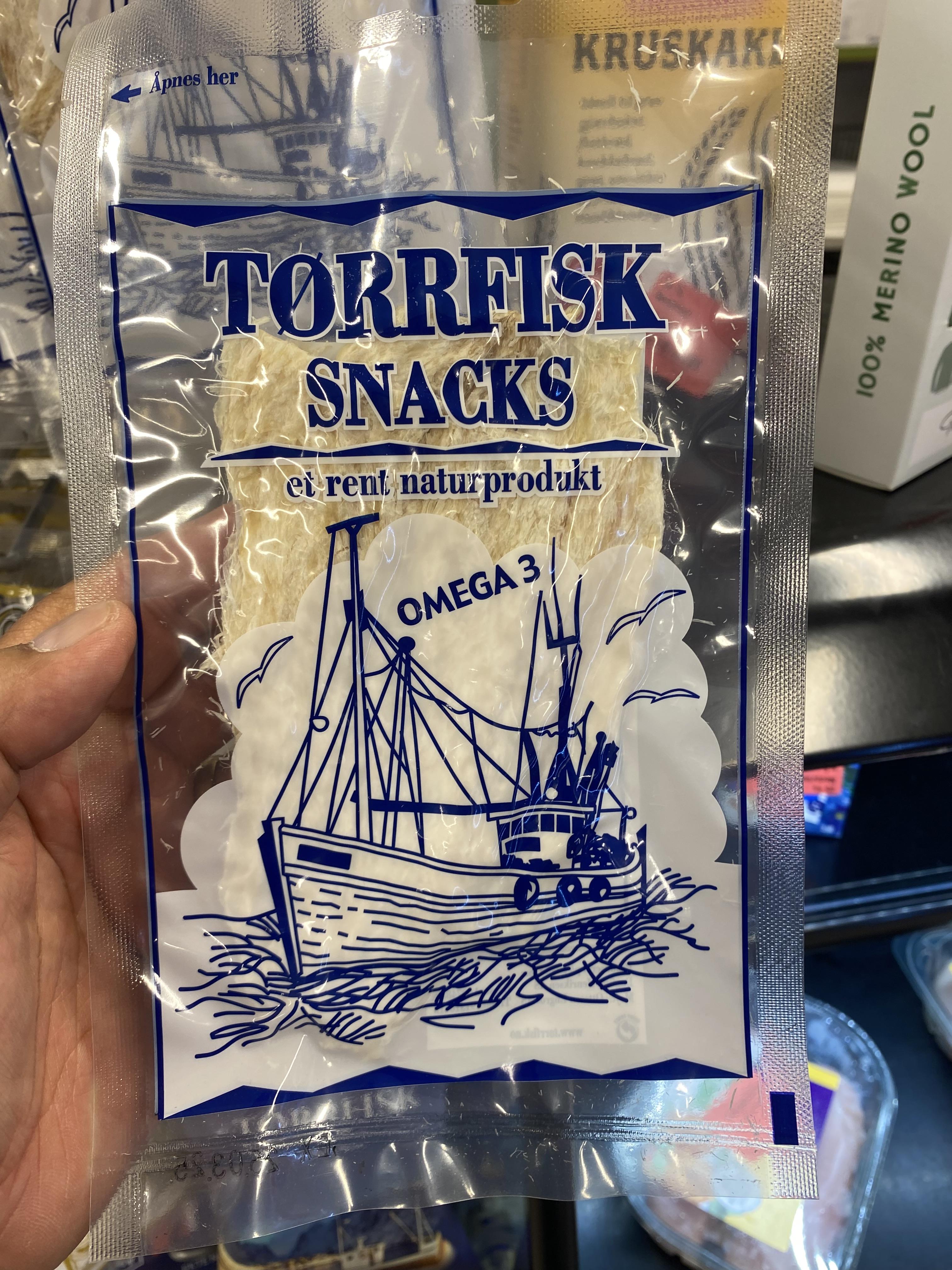
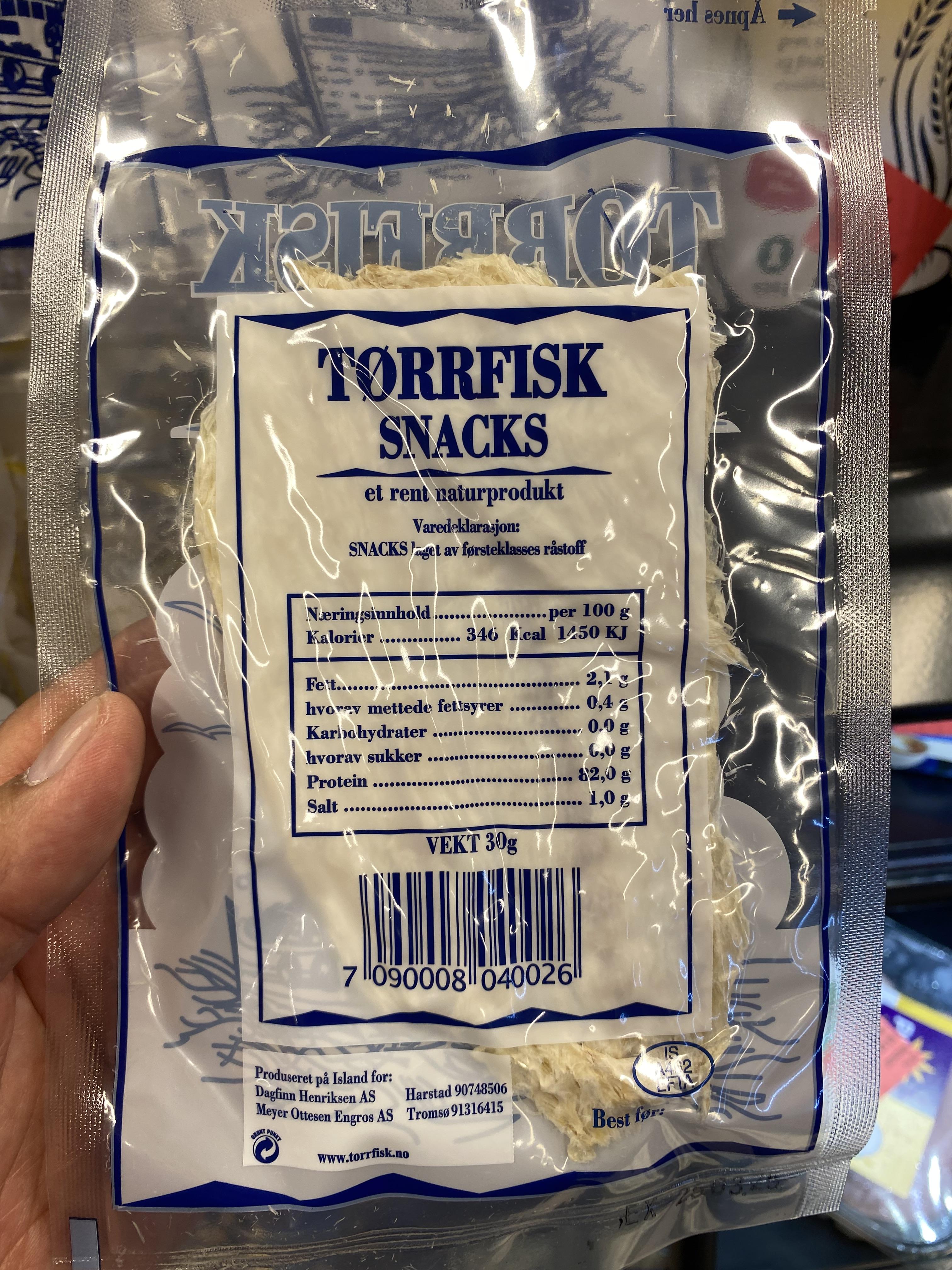
Stock fish, 82 g to 92 g per 100 g of fish! Â Whodda Thunk. Â You can get it at most stores. Â Some people eat it dry as a snack.
</p>
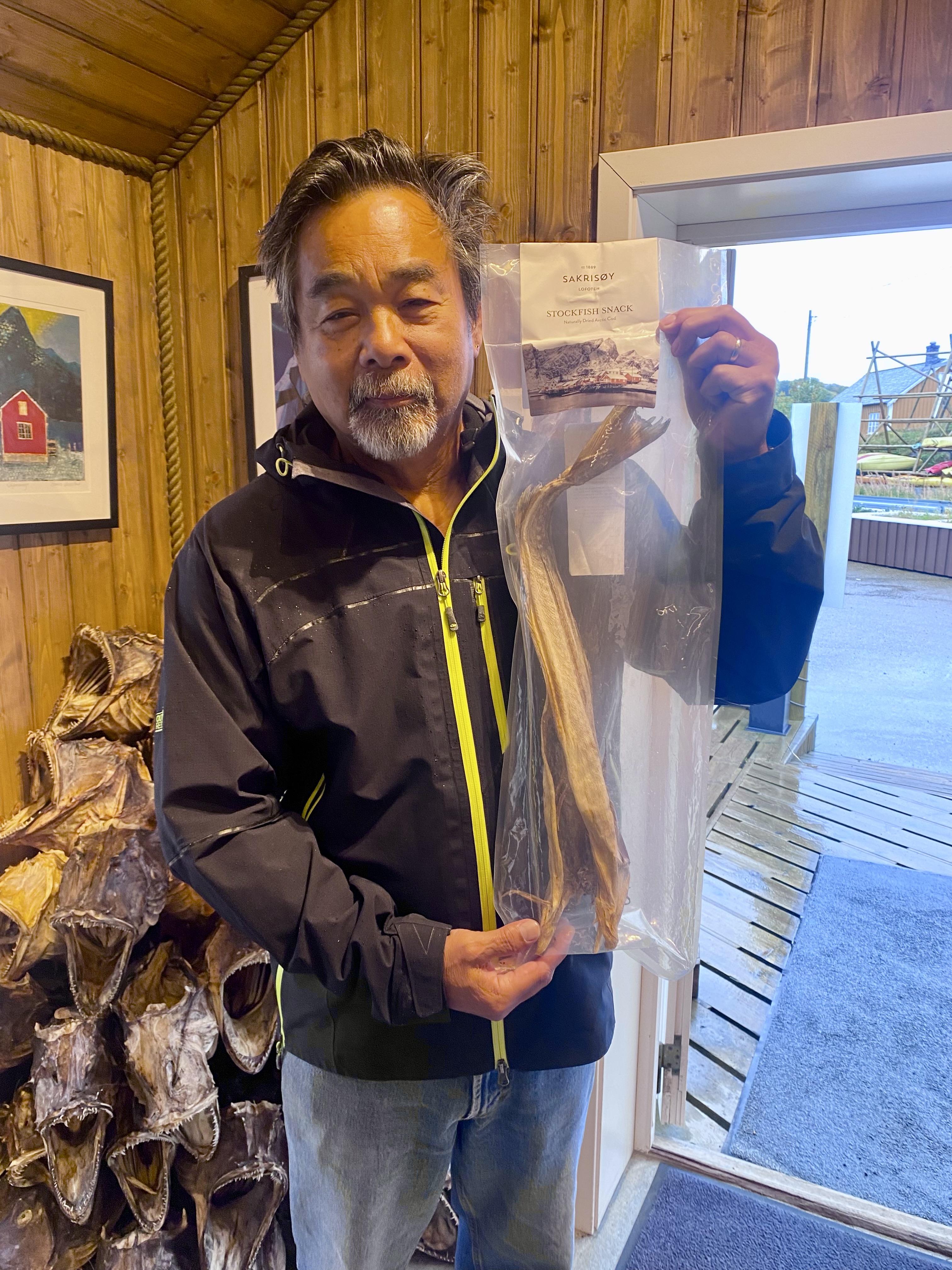
This is what 500 g of stock fish looks like. Â Cost $30USD


Become a member to post in the forums.