Thanks for this, Ryan!
In the building science world, we’ve always used the rule of thumb that one square inch of air gap in a building’s envelope is equivalent to eight square feet of no insulation. So the impact of air exchange in a sleeping system is very important to consider. Additionally, body movement during the night should not be overlooked, since this not only affects the convective air between the user and their quilt/mattress systems but the air-only mattresses as well. (As we know, ASTM F3340 does not take body movement into account, which would be awesome if it could somehow but understandable that it doesn’t.)
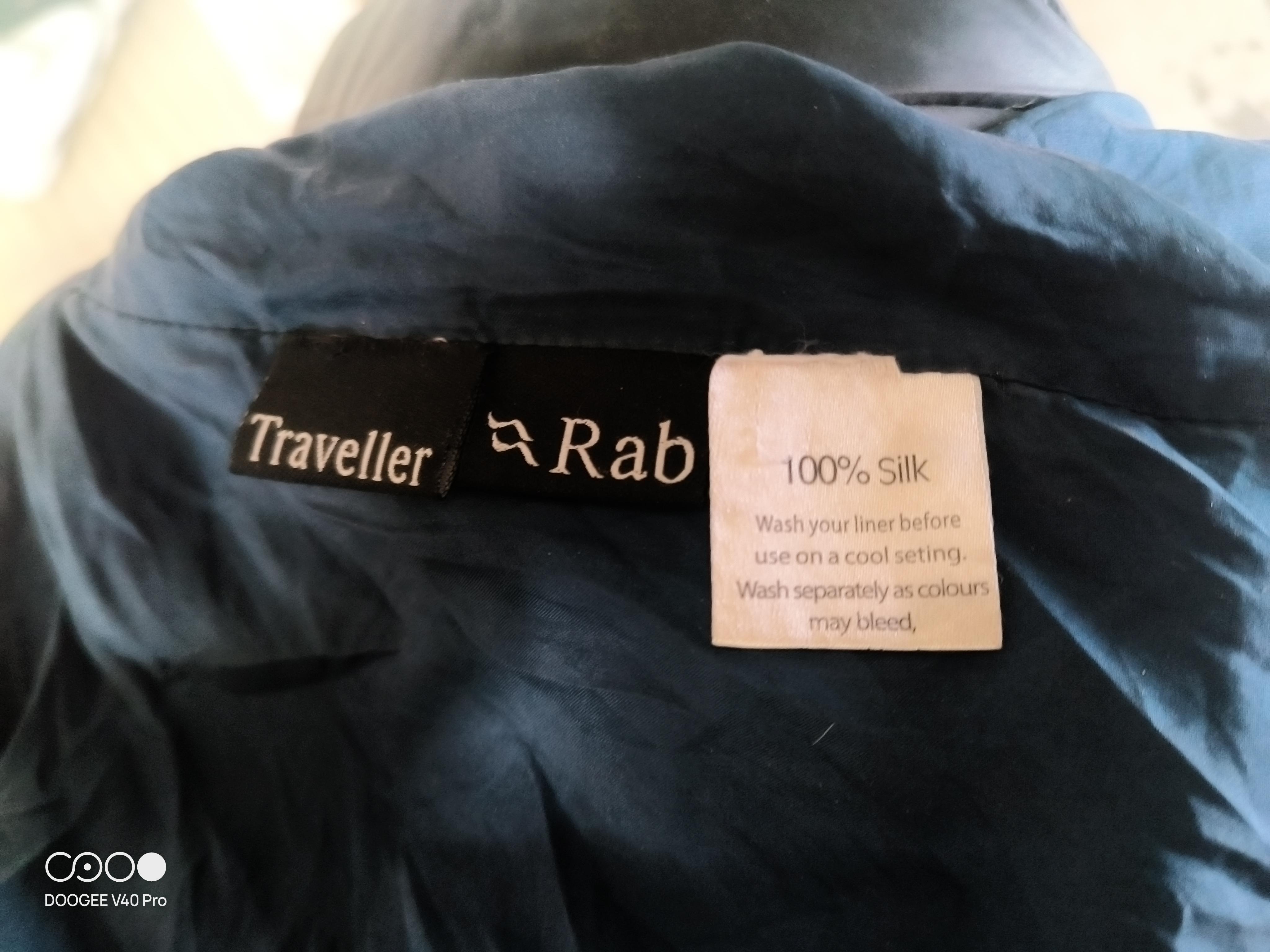
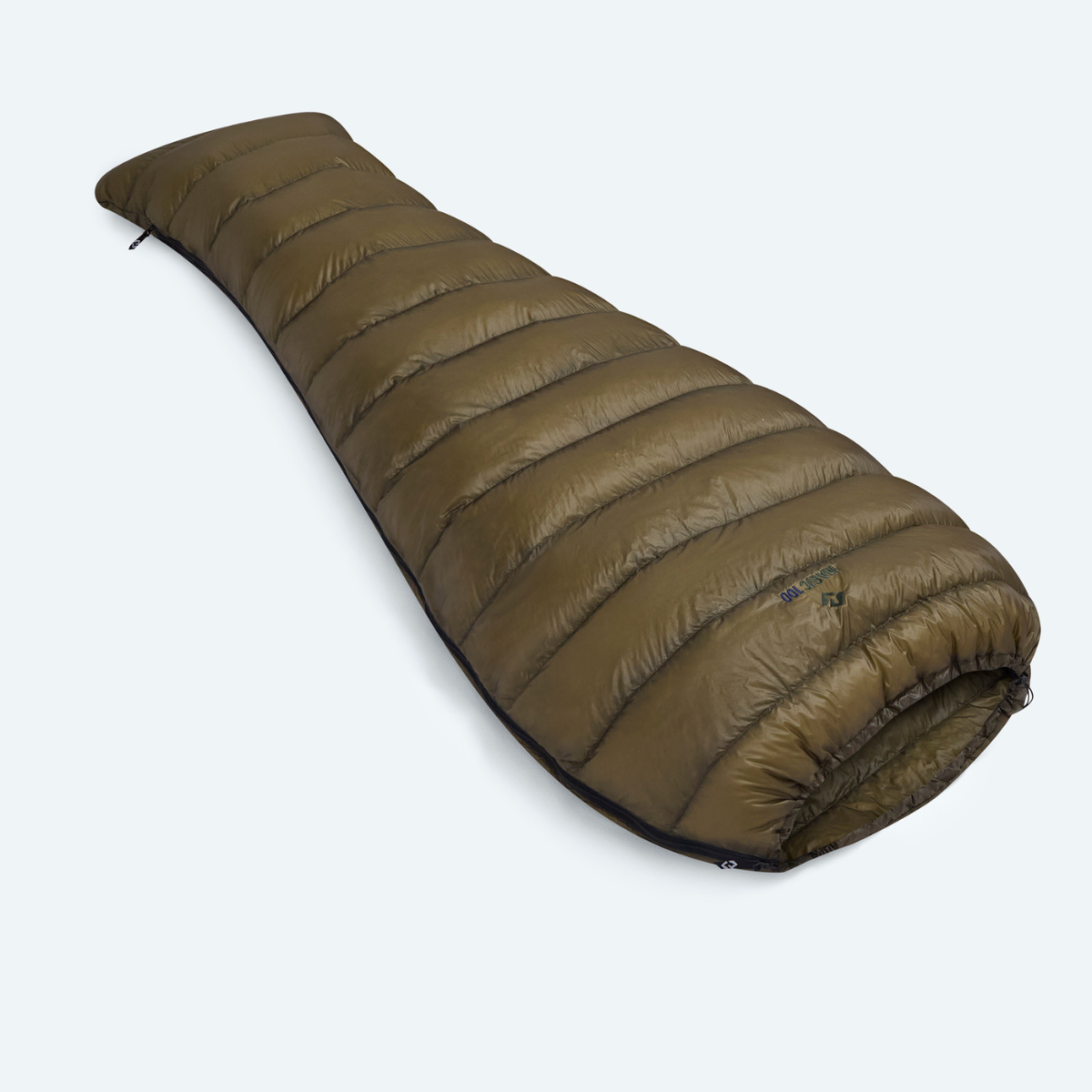
For years, I’ve sworn by the use of a silk liner with my quilt setup but with a slight but important modification to what you’ve described.
I have my liner drape over top of my quilt, and have it wrapped in between myself and my sleeping pad, NOT under the pad. I cut very small slits on the sides of the liner so my quilt straps would still securely connect under the mattress. While this connection would cause the liner to be tucked under the sides a little due to the strap tension, I noticed it actually created a better air seal as a result.
Admittedly, I did this to mitigate two other issues:
1) I find the “plastic” surface of the mattress to feel terribly uncomfortable, especially on more humid nights.
2) The silk layer over top of the quilt was superb at catching and absorbing rogue condensation that would eventually drop from whatever tent or tarp surface that was overhead, a very normal occurrence in mid Atlantic climate throughout the year.
And the liner was always pretty easy to dry out.
Perhaps you could explore this system in your testing?
Cheers!