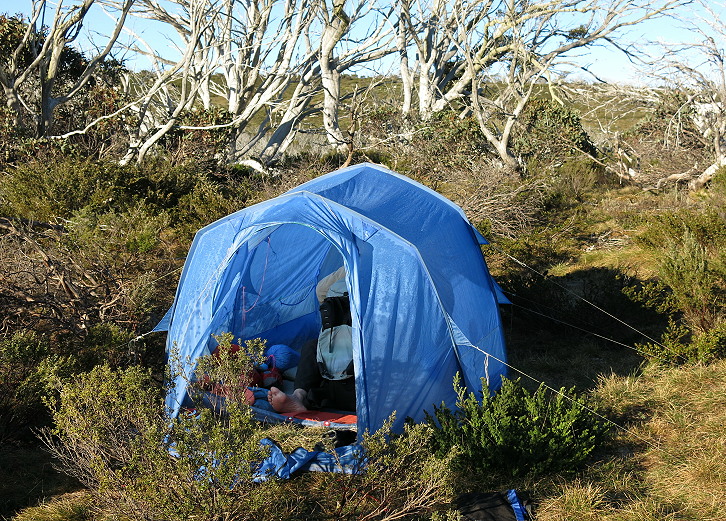
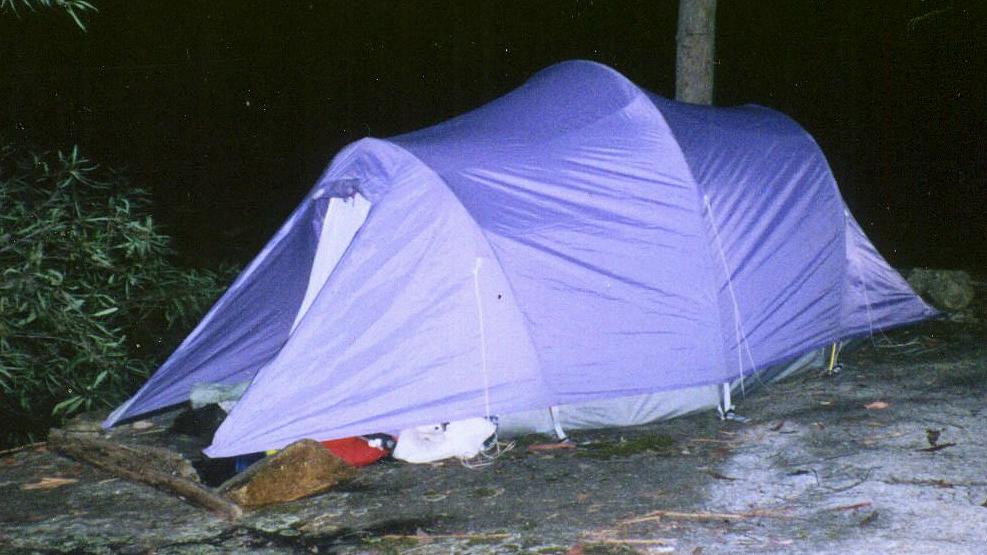
[In response to Eric] Yet comfort itself has different dimensions, and recreation is concerned with the re-creation or restoration of the entire man or woman – recognizing both physical and metaphysical components. In my opinion, traditional techniques, such as Feng Shui, should not be taken too literally; they are more a means of making contact with the genius loci of a place, a way of gaining a more in-depth appreciation of site and circumstance.
A related issue to tent-siting is the siting of tumuli, of which there are a great number in Korea, and in East Asia in general. In Korea, this practice still exists (to my chagrin, because these places seem to inevitably use the best locations for camping), and I doubt any self-respecting family would fail to employ a divination expert to site the burial place and orientation, notwithstanding their religious beliefs. So to of course, the numerous temples and sacred sites throughout Asia, as with the traditional West. In similar fashion, the shamanist rites I occasionally come across here are conducted at sites that have a special sense of place; and I find a similar aura pervades ancient neolithic and even paleolithic sites. It is one of the key reasons I choose to live, and travel and camp, in Asia.
For me, the purpose of such an approach to tent siting is more in the nature of the Japanese concept of satoyama – of cultivating a place where nature and people exist in harmony. A good place grows a good man or woman. In a related sense, I think the approach to and use of backpacking gear shows in many instances a sacramental sense – partly evident in the careful refinement of the physical object and its sometimes stark aesthetic beauty, and in the almost ritualistic sense in which the backpacker prepares for a hike, and then employs his or her accoutrements. The selection and orientation of a tent site can be a meaningful (and occasionally profound) act, as well as satisfying pragmatic requirements.