Topic

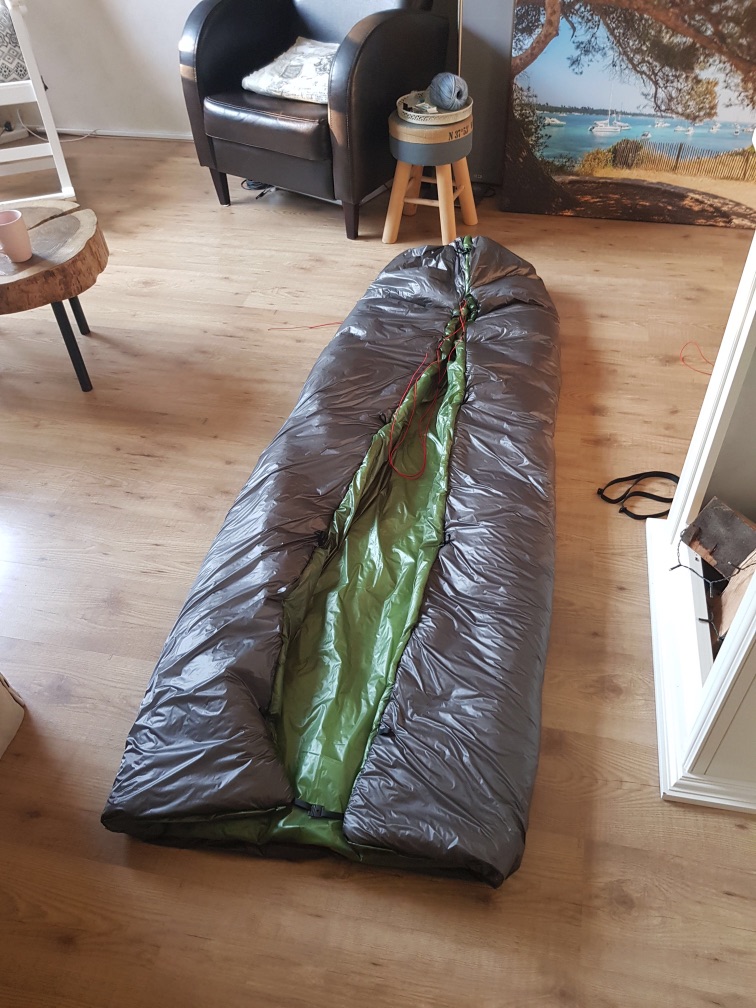
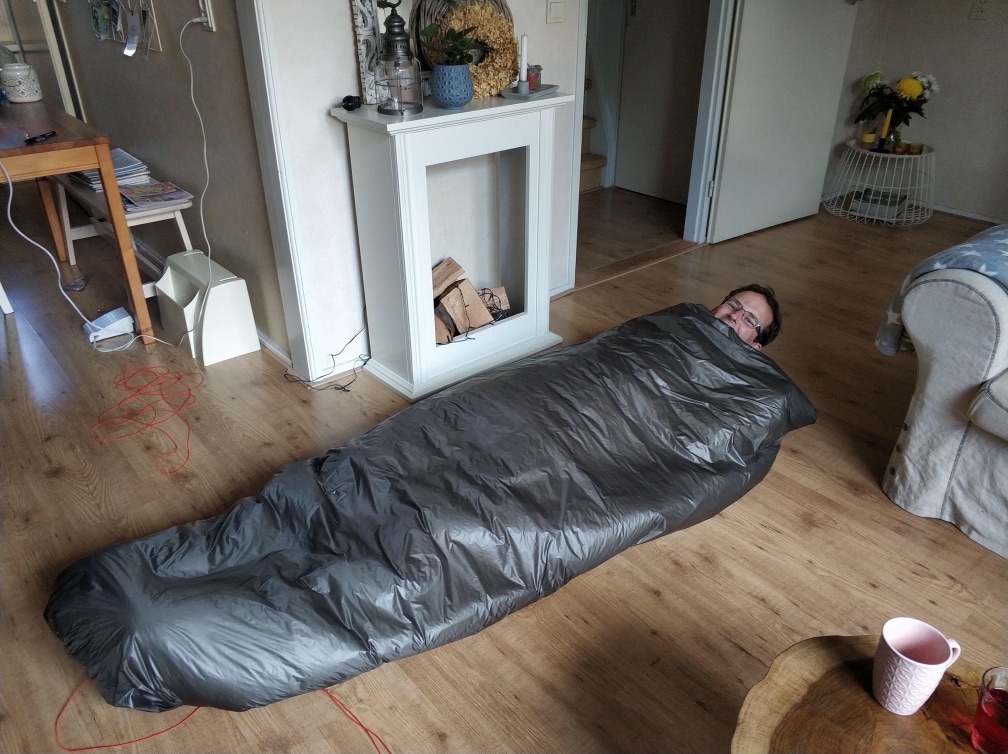
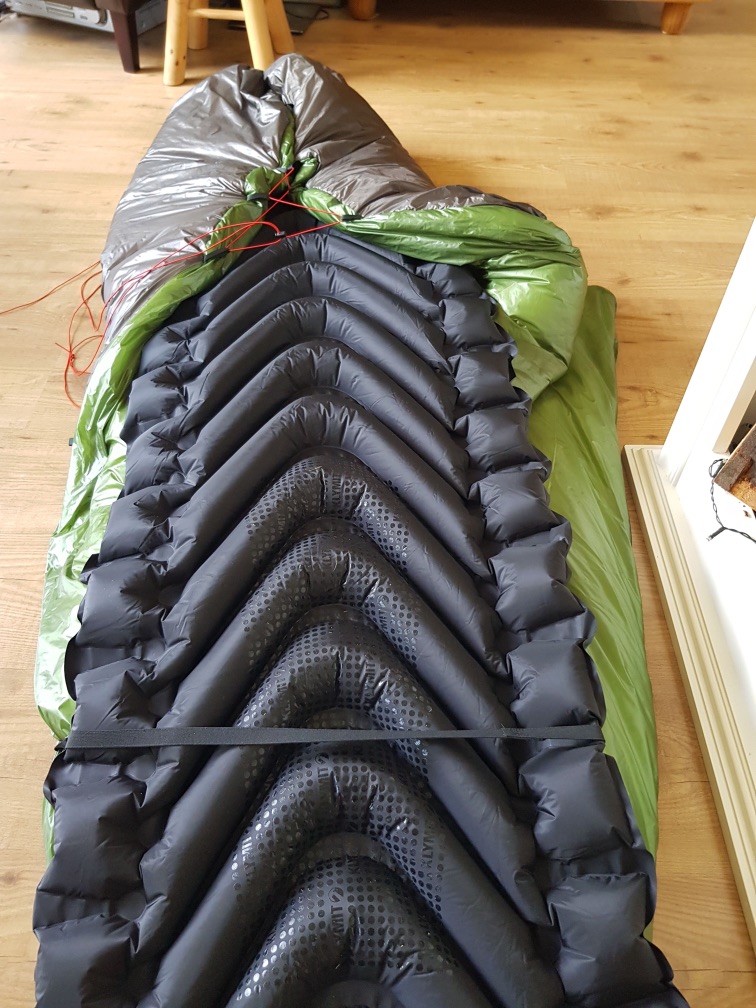
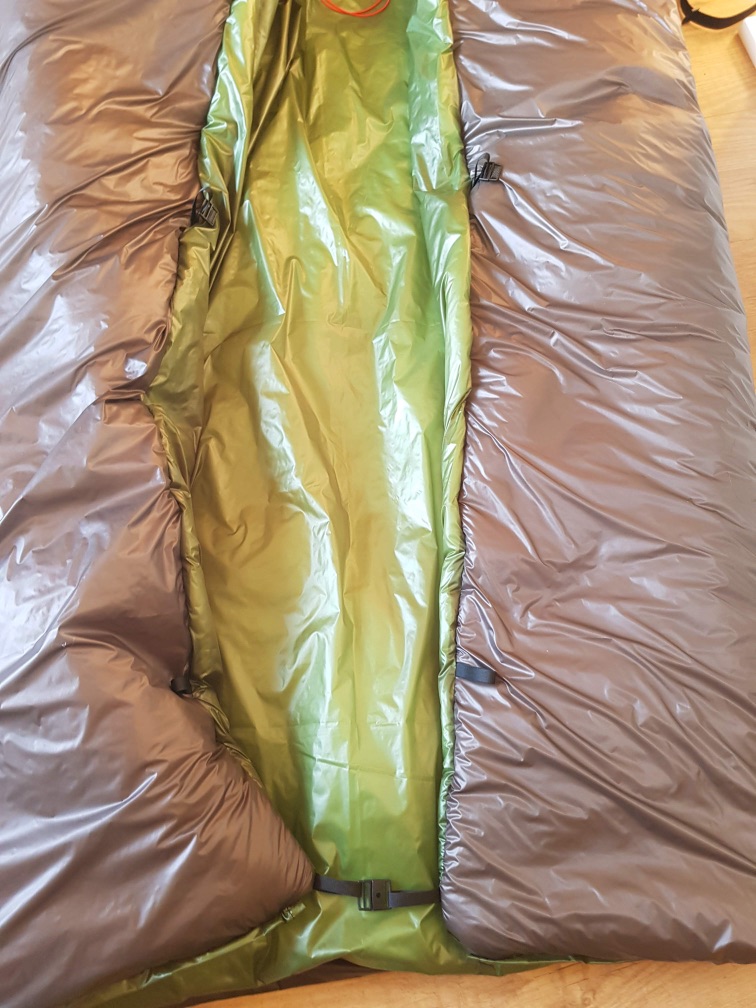
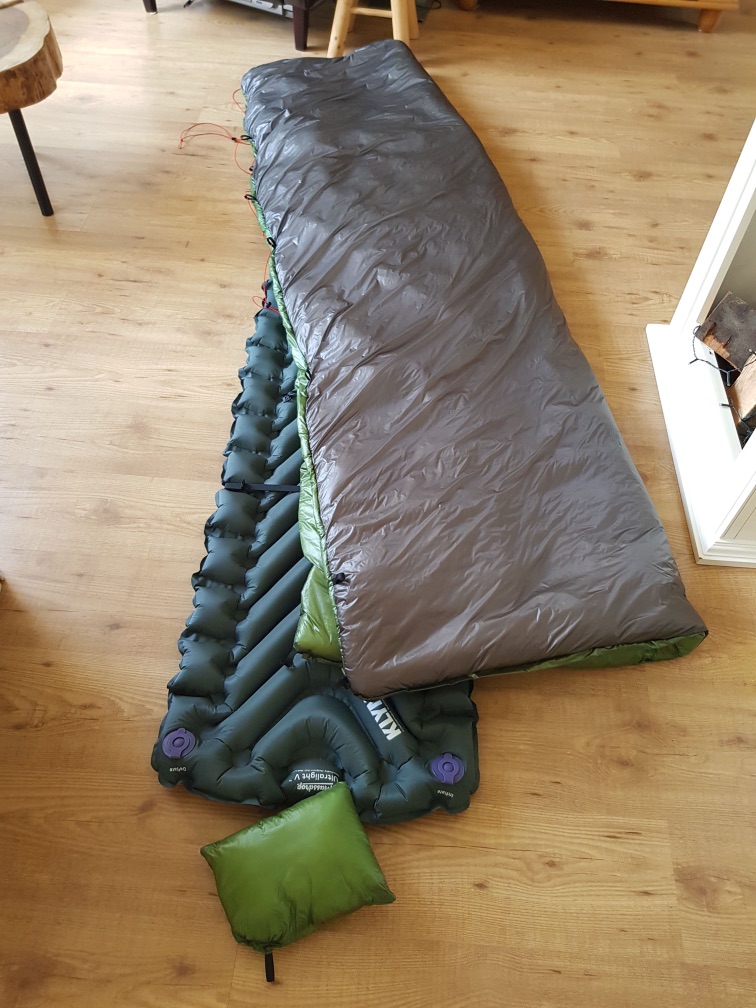
My very first myog… A 6oz apex quilt.

Viewing 11 posts - 1 through 11 (of 11 total)
Joost D BPL Member
PostedJun 26, 2019 at 6:57 am

I was thinking of building quilt for a while now. But I didn’t have any seeing experience. But I decided to just give it a try.

I used 0.66 taffeta and 6oz apex.

I’m 196cm long so I made my quilt 225cm long and 145 wide with a taper to 125.

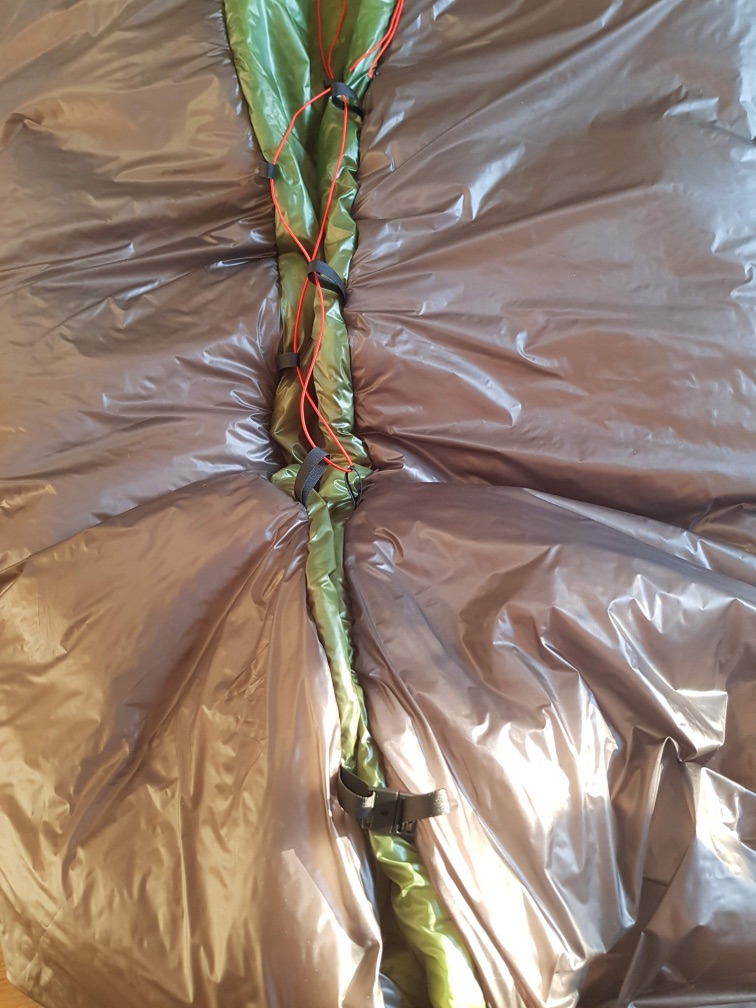
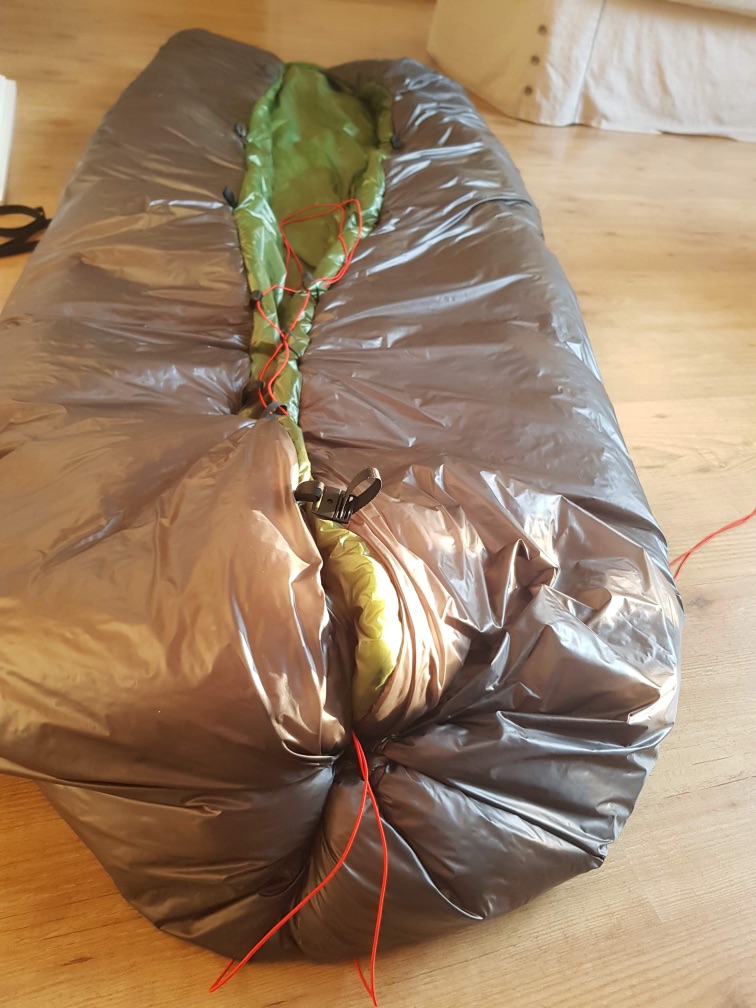
With some shockcord I can make the quilt narrower around my legs, and with small buckles and a elastic  cord for my pad.

I’m pretty pleased with the result.


Already thinking for a new project haha.

I borrowed a sewing machine do you have any suggestions for my own? I’ve heard that for a backpack a semi industrial one is needed?

Joost

Roger Caffin BPL Member
PostedJun 26, 2019 at 7:41 am

Looks good.
A closed footbox is imho essential: it keeps the entire quilt under control, without penalty.

Packs do need a somewhat heavier sewing machine if they are not made out of silnylon. Many domestic machines just don’t have the power to push the needle through several layers of pack cloth. My solution is an old domestic Elna for light stuff and an antique black Singer for the heavy stuff. Caution: you might end up paying MORE for the antique Singer than for a modern domestic! (Worth it though.)

Cheers

Jerry Adams BPL Member
PostedJun 26, 2019 at 1:41 pm

nice work

addiction in progress, more healthful than opioids though

how did you sew around the perimeter of Apex and finish edge?  You must have just sewed it inside out and then turned it right side out.  Looks good.

PostedJun 26, 2019 at 2:07 pm

If you’ll be using ultralite materials for the pack, the Singer Heavy Duty from Walmart has always served me just fine.  It’ll go through 6 layers of Dyneema Composite Hybrid + 1/8″ mesh foam with no problem.

Joost D BPL Member
PostedJun 26, 2019 at 3:00 pm

@Jerry yes very addicting ;) I sewed around the perimeter and left a gap at the foot channel. Don’t know if I’ll do that again though. Found very hard to keep all the layers together and finish the seem neet, and I think I’ll sew it by hand first and then with the machine. To keep everything from shifting. If I remember correctly you sew fabric apex fabric. But how do finish the edges, loops  and the channels?

A singer heavy duty will that go trough Cordura? I thought using a thicker material for the bottom and back.

Lester Moore BPL Member
PostedJun 26, 2019 at 3:01 pm

Great work! A second vote for the Singer Heavy Duty 4423, if you want an affordable new machine ready to use out of the box. The 4423 works fine for light stuff (tissue paper helps a lot) and does a tolerable job with backpacks after you get to know the machine well. With the correct needle and technique, I’ve sewed 500D cordura just fine, or 4 layers of 210D with webbing (a little bit of technique required though).

Even if you really get into MYOG and want to buy an industrial machine (or two or three), I’d still start with a low cost home machine so you experience the difference.

Sam C BPL Member
PostedJul 1, 2019 at 3:48 am

So….

….you used 6 osy Apex; not that you made a 6 oz. quilt with Apex?  Asking for a friend.

Not sure what is available in your country, but I use a Singer 44s (aka Singer Classic) and a 1980s SInger something or another. For non-production use the 44s and 4423 are nearly the same machine.  The two main differences are that the 4423 can do 1100 stitches per minute while the Classic can do 1000 per minute and that the Classic is cheaper.   Some say the 4423 can stitch a slightly cleaner line, with an emphasis on slightly.

The 1980s Singer I have is seriously the business even though when it was on the market it was sold as a basic home-sewing machine.  This machine can sew through 0.5″ foam + 2 layers of 1000D Cordura with ease most of the time where as the 44s can do it only if I hand-crank.

Jerry Adams BPL Member
PostedJul 1, 2019 at 1:50 pm

“Found very hard to keep all the layers together and finish the seem neet”

yeah, that’s the crux of the project

I mark a line on one of the fabric pieces (the one that will eventually be inside the quilt) where the edge of the finished quilt will be, cut the two fabric pieces and insulation at least an inch larger

Then put a bunch of hand stitches all the way around, maybe 1/4 inch inside the marked line.  Be very careful to align all the pieces.  Start with hand stitches at the 4 corners, then do a bunch in between.  A real sewer would probably use pins.

Then sew all the way around, about 1/4 inch inside the marked line.  That will stabilize the insulation.

Then cut one piece of fabric (which should be the inside) and the insulation along the marked line.  The outer piece of fabric should be at least 1 inch wider.

Then fold over the outer piece of fabric to cover the raw edge of the inner fabric and insulation, and hide the raw edge of the outer piece of fabric, and sew it.  You should be sewing through inner fabric, insulation, the outer fabric, and the outer fabric again folded over.

I haven’t done that with quilt, but did it with a vest.  There’s an article with pictures somewhere.  This technique should work equally well with a quilt.

Joost D BPL Member
PostedJul 1, 2019 at 3:14 pm

@Sam sorry I wasn’t clear on this ;) the apex was 6oz total weight was 850 grams. That’s about 30 ounces I think.

I can’t find the 1980’s singer in the eu on eBay unfortunately. But I will keep an eye out for it thanks for the tip.


Thanks all for all the tips really appreciate it!!!!👍👍

Paul French BPL Member
PostedAug 23, 2019 at 2:39 am

Joost,

GEES man. that is outstanding, Your first effort and that beautiful,

WELL DONE!

.

Joost D BPL Member
PostedAug 23, 2019 at 6:38 am

<p style=”text-align: left;”>Thanks Paul!</p>
I’m now working on a trailstar copy… I hope that will work out too. It more complicated then my quilt. But it’s a great learning experience.

Joost

Viewing 11 posts - 1 through 11 (of 11 total)
Loading...