Topic

Light, breathable, and durable shoes

Viewing 16 posts - 1 through 16 (of 16 total)
PostedJul 4, 2020 at 2:11 pm

I like light and breathable shoes.  I also like stuff that is durable and can be fixed [1].  I am not aware of any shoe that matches said three criteria (*all three*!).  If you are aware of any, please post below.

I probably posted before about the same issue.  I would like to express the optimistic view that things have changed for the better since then.  I got to the point of contemplating myog shoes because of the terrible options just a couple of years ago [2].


[1] because I am both stingy and aware of the ecological impact of having to replace gear often.

[2] I am still making do with non light, somewhat breathable, and durable boots now.


Boyan B BPL Member
PostedJul 4, 2020 at 5:44 pm

You may want to be more explicit what “light” and “durable” mean to you, as well as list some of the shoes you have tried and eliminated from consideration in the past.

A lot of people like the La Sportiva raptor, though the soles supposedly wear out quickly but are very grippy.  The La Sportiva Raptors are GROSSLY undersized (at least 1 full  size) and even the largest sizes they offer are too small for someone who normally wears 13 in hiking shoes.  At the moment I am using Salomon Ultra non-GTX and it meets my criteria for “light and durable”.  I have replaced the stupid quick-lace system with traditional shoelaces though.

PostedJul 4, 2020 at 7:22 pm

Maybe Luna Mono sandals paired with some nylon tabi socks would be light, breathable and fairly durable enough for you. I found that the tread of the Monos wore down quickly but the traction doesn’t seem to depend on the tread so it doesn’t matter. They are light and nothing is more breathable than sandals. They have heavier versions but they are not as cushioned. The tabi socks give you a little extra protection and help with the slippery-when-submerged footbed. I wouldn’t suggest this if you had not said you were ready to MYOG breathable shoes. Maybe you would consider thinking way outside the box on this. If nothing else you could bring them as spare shoes and wear them part time while your non-breathable shoes are bothering you. I do that sometimes. The extra weight doesn’t kill me.

HkNewman BPL Member
PostedJul 5, 2020 at 1:46 pm

I would look at the review of recent upgrades.  One long running brand was great for me for the last few years but absentmindedly mail-ordering the most recent version, all of its UL backpacking friendly features are gone (so less durability) IMO.  More comfortable after redoing the laces but to ensure it’s not my imagination, I looked at the reviews; this confirmed the shoe changed significantly for this version.   It’ll make a good pair of sneakers to wear with jeans I guess, but I’m done.


Buying another model of the same brand from a small retailer, the owner remarked the brand only wants these to last 200 miles on trail.  That’s probably what’s behind this.

For summer mountain trails, I’ll be back to Tevas and synthetic socks.  May get an all leather lightweight shoe (Danner 2650s) for true desert conditions…

PostedJul 5, 2020 at 3:26 pm

Durable — ideally the shoe will last 3/4 years of serious hiking, or be resolable

Light — 300 grams for a size 10 shoe?

The *not light* boots I have now are Limmer lights so I think each one is over 700 grams.  The Limmers are despicably heavy but they are resolable and thus likely far less eco unfriendly if I keep using them — they will last as long as I do by the look of it.

PostedJul 5, 2020 at 3:27 pm

I forgot to say, for me breathable matters, because in Finland we have plenty of swampy land.

Sean P BPL Member
PostedJul 5, 2020 at 8:51 pm

light, breathable, durable


Pick any two.

PostedJul 6, 2020 at 6:25 am

I use the Salomon X Ultra 3… breathable, durable, light enough. Unlike one poster above, I love the Salomon lace system.

Geoff Caplan BPL Member
PostedJul 6, 2020 at 7:24 am

If you’re in Finland, you could look at the  VJ Shoes XRTM.

Developed in Finland for tough off-piste orienteering, and quite popular in the UK for fell running and tough-mudder events. Work fine on trails too.

Not a fan of the aesthetics, but the functionality is great.

Traditionally sewn, so repairable. Tough materials with kevlar reinforcement. Exceptionally grippy sole – that’s why I use them. Had them out yesterday in the Lakes in apocalyptic conditions, and as always they were reassuringly secure on wet, slabby rock. A minimal rock-plate that stops bruising but still gives decent ground-feel. Acceptable drainage, given that it’s a tight-woven upper that’s great at keeping out dust and grit. Average width with a fairly roomy toebox. Good tongue and lacing system. Designed for rough country, but bearable for short stretches on hard surfaces. Zero drop if you swap out the insole, which slopes. No padding, apart from the insole, so better for short trips than thru-hikes.

I’ve used them almost daily for the last few months on rough trails and off-piste and they look pretty much new. Little wear on the sole, even though it’s so grippy. I think they are going to last well.

Deserves to be better known.

Ken Thompson BPL Member
PostedJul 6, 2020 at 7:40 am

I also have been looking for a similar alternative, but I have come to look at shoes like gasoline.  Some models do better with it but in the end it is literally money you burn. I’m happy if I can find a pair that fit and aren’t repulsive to look at.

Nick Gatel BPL Member
PostedJul 8, 2020 at 1:54 pm

If you’re in Finland, you could look at the  VJ Shoes XRTM.

They are now sold in the US and VJ has a US website, but I could find nothing about re-crafting the shoes or replacing the soles. Since I am not in the market for new shoes, I didn’t pursue this any further.

Nick Gatel BPL Member
PostedJul 8, 2020 at 2:00 pm

[1] because I am both stingy and aware of the ecological impact of having to replace gear often.

[2] I am still making do with non light, somewhat breathable, and durable boots now.

I have been thinking about this for quite a while too. I’ve actually started wearing a 35 year old pair of leather boots again on some of my trips. A little heavier, last longer, and can be re-crafted. So all-in-all (1) a better financial decision and (2) better for the environment. Point #1 is more important to me. More thoughts on this on my blog here.

PostedJul 8, 2020 at 5:28 pm

For most it takes many tries to find a brand and model with a good fit.  The chances of that one being resolable are therefore nil.  Suggest making fit the priority, then if it is resolable that would be a plus.

I gave up custom boots when I found much lighter Keens and Salomons were far more comfortable; but that is just for my foot.  They last well, and have not had problems with separation of the soles.  You also might try Danner, which makes a point of marketing its hiking shoes as resolable.  But that’s only if they fit you.  They once fit me, but then they changed the lasts, and no more.   So I settle for buying new hiking shoes before the old ones wear out.  And do not think many cobblers would try to resole the very light shoes that are prevalent.

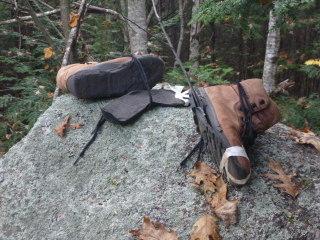
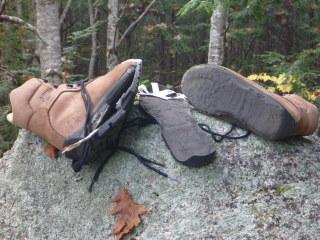
Here’s some photos of a pair of not so light Asolos that someone left on a rock on a trail up Mount Chocorua.

No word on how they got down from the Mountain.

Geoff Caplan BPL Member
PostedJul 8, 2020 at 6:11 pm

If you’re really looking for lightweight and resolable I think you’ll have a frustrating search. I don’t think they are compatible goals.

For example I own a shoe that really is resolable – the toe-curlingly named Nimble Toes Trail (pun intended).

https://www.joe-nimble.com/int/men/sport/nimbletoes-trail-274

It’s a minimal shoe by German company Joe Nimble and hand-sewn in India in their own ethically-run facility. This traditional construction is reflected in the price, which is eye-watering. I got mine in a sale. So a resolable shoe is going to cost a lot if the workers aren’t being exploited.

They have a resoling service, but it’s not cheap. And the upper is giving out before the sole, so the potential for resoling is somewhat academic.

The cost of the hand-sewn shoe and the resole would be more than the cost of two more conventional shoes. The saving in fabric would be pretty minimal – a fraction of a square yard.

If you really want something that will last you’ll have to go for a traditionally made boot, but then you have something that’s slow to dry and a whole load of extra weight on the end of your longest levers. Plus far more resources went into its manufacture. So I’m not sure there’s a clear cut case that it’s better for the planet, and in my experience it’s certainly not better for the walker…

As for the Joe Nimble shoe, it’s surprisingly durable for the weight and constructed of prime materials. But I found that the Vibram sole is virtually useless for anything tougher than a groomed trail – it’s horrible on mud or slick rock. Pretty much a fail – I don’t use it for anything serious.

Viewing 16 posts - 1 through 16 (of 16 total)
Loading...