Topic

How often do gas canister stoves break, and what would be a good backup?

Viewing 25 posts - 1 through 25 (of 65 total)
PostedNov 22, 2019 at 8:19 pm

Hello everyone, new member and relatively inexperienced camper/hiker here.

As per the title, I was wondering what the failure rate of a gas canister stove system for heating water to rehydrate meals might be, where the system might fail and then what a sensible backup would be (if even necessary).

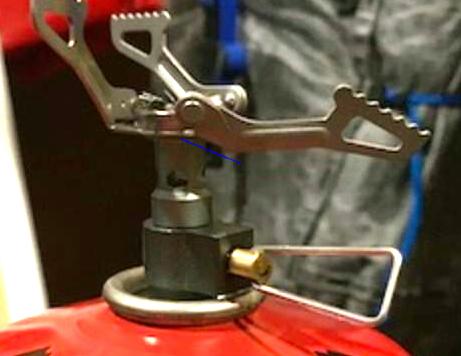
I recently bought a Soto Windmaster stove and then someone on the internet recommended a BRS as a backup.I don’t have much experience but my first thoughts are that other than the o-ring seals, these stoves seem fairly robust and maybe there would be more likely to be a problem with the fuel canister, in which case another gas stove would be useless.

For a short trip under a week in the UK in winter, maybe a spare o-ring and a light ezbit stove with enough fuel for a few meals would be more suitable. I always check a new canister before I go on a trip to make sure it works so if these stoves + canisters are very reliable, maybe no backup is needed at all?

Thanks for any advice!


PostedNov 22, 2019 at 8:41 pm

Backup ?

Matches and a little Firestarter.

What’s the worst that can happen if your stove stops working.

You have to make a little fire and cook on that.

Larry S

Jerry Adams BPL Member
PostedNov 22, 2019 at 9:34 pm

My Soto Windmaster has not failed in years.  Pocket Rocket for years before that.  Another one before that failed, but I could still use it, just a slow leak. I don’t think you need a backup.

In the unlikely event it does fail, maybe a backup is eating uncooked food.  You can exist for many days without food.  Maybe 1/3 of my food needs to be rehydrated so not having that to eat wouldn’t be a big deal.


PostedNov 22, 2019 at 9:38 pm

Unfortunately I can’t make a fire most of the places that I find myself camping, but yes it’s not a life or death situation, I can just cold soak my food and get chewing.

Being new to these stoves and having read somewhere about taking a backup, I just wondered if they did fail often.

Brad W BPL Member
PostedNov 22, 2019 at 9:48 pm

The cheapest/lightest canister stove would be the BRS 3000. Less than 1oz, $15 or so.  A decent backup if you really need one.

PostedNov 23, 2019 at 1:01 am

Thanks for the replies. If neither the stoves nor the gas canisters themselves fail often, I won’t bother with a backup at all. I just wanted to be sure as I don’t have much experience, and things we are new to often break in unexpected ways.

Jerry Adams BPL Member
PostedNov 23, 2019 at 1:06 am

Once I had a canister that the valve stuck open, so I just left the stove screwed on until the fuel was gone

Roger Caffin BPL Member
PostedNov 23, 2019 at 1:55 am

Once I had a canister that the valve stuck open, so I just left the stove screwed on until the fuel was gone
Um … why?
I would have quickly disconnected the stove and given the Lindal valve a bit of a poke. Sometimes it helps if you do this upside down so the liquid fuel washes out whatever muck is jammed there. Ti stakes are just the right size for this, the shepherds crook end in particular. But it is very rare with good brand canisters.

Cheers

Bob Shuff BPL Member
PostedNov 23, 2019 at 3:00 am

I would not carry a backup stove. Invest instead in a consolidator connector. Maybe I just made up the name, but like it sounds there are fittings that allow you to consolidate the fuel from several partially empty canister to make one full canister.

Other than running out of fuel the only risk I see is the sparker. In That case good to have a lighter or other fire starter, which you should have just in case you need to build an emergency fire.

BTW…i think Esbit is a good backup if you are worried about your primary stove. It’s light and stable and doesn’t spill. I have it when I use an alcohol stove, which saved the day when I left the alcohol in my garage. Doh!. It also make a good fire starter in a pinch.

James Marco BPL Member
PostedNov 23, 2019 at 1:08 pm

Ihsad, All moving parts are prone to wear.  There are several points of failure. Valves can leak. Threading goes bad.  “Sparkers” fail. Canisters get stuck open. And so on. Jets plug up just from canister manufacture and lack of filtering on the fuel. Stoves can get stepped on. They can get filled with water after boiling over and refuse to fire up again (except as a yellow fireball.) And so on.

I have run out of gas, so it can be a problem. One of the old canister stoves used a lot more gas than my SVEA. I used a wood fire to boil water and cook trout. Mostly, stoves are a convenience, not a real necessity.

In a pinch, you can use a wood fire as was mentioned. If you don’t have enough fuel, you can eat stuff cold soaked. Or, you can simply eat it dry. The worst is not having food, though this is a close call with running out of coffee.

Gary Dunckel BPL Member
PostedNov 23, 2019 at 2:27 pm

This is all good advice. The only thing I will add is that you should always place the plastic cap back on the fuel canister when you remove the stove from it. This keeps any dust or other funky stuff from getting into the canister valve stem, which might clog it up and render it inoperable.

Jerry Adams BPL Member
PostedNov 23, 2019 at 3:03 pm

Another failure I had once was the Coleman Exponent F1 stove screwed onto the canister fine and I used it.  Left it on overnight.  In the morning all the fuel leaked out.

Fortunately, I was only 3 miles from my car so I hiked out and got another.  Then I did it all again the next night.  Made sure the stove was screwed on tightly.  Something about that stove – either the brand, the one I had, or I damaged it somehow.

Other stoves I leave screwed onto the canister overnight without problem.  If I unscrewed the stove overnight, there’s a possibility of getting dirt inside.

Jerry Adams BPL Member
PostedNov 23, 2019 at 3:08 pm

My canister that had a stuck valve – back home I put it in the freezer.  When it was cold enough so it wouldn’t vent fuel, I pulled it out of freezer, unscrewed stove, wacked and poked it, couldn’t get it to work.  Not to worry – got bored with the project so screwed the stove back on and just used it until empty.

PostedNov 23, 2019 at 3:55 pm

Thanks a lot for all the input, so it sounds that failures do happen but not that often. I think I’ll go without backup for now, wait until something breaks or more likely I mess up (@Bob, leaving fuel behind seems very much like something I might do!) and see how upset I get… if a lot, then next time I’ll bring an esbit as well, if not then maybe I’ll even try going stoveless in the future, although like James it’s the lack of hot coffee (and tea) that would probably be the most painful for me.

PostedNov 23, 2019 at 4:01 pm

I’ve been using cannister stoves since 1975 and have never had a problem. It’s honestly never occurred to me to bring a backup. However, I do carry fire-making materials. Given your circumstances in the UK, it sounds like the idea of bringing a few Esbit fuel tablets along might be the best idea.

PostedNov 23, 2019 at 5:26 pm

Thanks a lot for all the input, so it sounds that failures do happen but not that often. I think I’ll go without backup for now, wait until something breaks or more likely I mess up

Ryan Jordan purchased 7 BRS3000T’s and he said 4 out of the 7 melted. Oops! he changed that to read: pot supports bent over….according to his communication with Roger.

Jenny A BPL Member
PostedNov 23, 2019 at 6:59 pm

In keeping with the general point of this whole website, don’t pack your fears.  If you carried a backup for every item that could break or malfunction or get lost, your pack would be too heavy to carry.  On the very rare occasions in over 40 years of backpacking that I have had a stove malfunction in any way, I was able to make do just fine by eating cold food.  (And it doesn’t hurt that I carry some extra “reserves” around my middle….)

One additional thought: since the OP mentioned winter camping in the UK, a stove might be critical if s/he were using it to melt snow for drinking water.  I don’t have an idea of what other fuel sources might be available in the unlikely event of a canister stove failure.

AK Granola BPL Member
PostedNov 23, 2019 at 7:03 pm

I’m a backup gear freak, but have slowly been learning to leave the extras behind. But the stove is one thing I’ve never carried a backup. I do carry a stove because I like the luxury of hot food and more importantly, beverages, but I do view it as a luxury. I can eat cold food if I have to. It does suck, but it’s rare enough that it’s not worth carrying extra gear.  I do have backup fire starter though, but not with cooking in mind.

Practice with a new stove before going out is mandatory though! Several times at least.

PostedNov 23, 2019 at 9:09 pm

In general, stove are pretty reliable.  The biggest problem that I have run into is when the temperature gets too low (below freezing).  Since you are talking about winter camping in the UK, I suggest that you search this site and you can find solutions to cold temperatures and canister strives.  My 2 cents.


Roger Caffin BPL Member
PostedNov 23, 2019 at 9:11 pm

always place the plastic cap back on the fuel canister when you remove the stove from it.
YES! ALWAYS!

Cheers

Dale Wambaugh BPL Member
PostedNov 24, 2019 at 7:11 pm

“What ifs” are heavy. Carrying a spare stove is a bit over the top, especially if you have the option of a cook fire. Having a stove failure in fire season would be a pain. You could say the same about water filters– I carry a few spare Micropur tablets and boiling is still an option.

Cheap stoves are an invitation for failure, just like any cheap item. Soles peel off shoes, backpack straps, zippers and seams fail, tents and air mattresses fail too. Buy wiser and carry a little sewing kit and some duct tape. Treat your gear well.

That said, the only stove I had problems with was a Maple Leaf remote canister model with the worst folding legs and igniter. Fortunately it was on a car trip where compactness wasn’t an issue and lighters were at hand. I replaced it with a used Primus multi-fuel rig that is a much better design.

Make sure you keep the canister valve clean. Dirt in the fuel path could stop any stove.

Roger Caffin BPL Member
PostedNov 24, 2019 at 9:13 pm

I agree about the risks of cheap shoes, backpacks, air mats etc, but often that is because they are pushed beyond their intended use. A lot of those things are really meant for kids, for the backyard and the streets. The real problem can be in telling the difference.

But I do not agree about the designation ‘cheap stoves’. A lot of the low end of the market is inexpensive because the mfrs have stripped off everything except the essentials. There is no backyard or street market for tiny upright canister stoves, or for tiny alkies either, so they have to be made for walkers. Despite some problems with a small number of BRS-3000T clones and similar, most of us find our tiny inexpensive stoves work very well.

The tricky bit is often telling the junk from the gold. Feedback from the community is the answer.

My 2c.
Cheers

David Thomas BPL Member
PostedNov 26, 2019 at 2:35 am

Try the stove once or twice at home first and then forget about it.  Don’t bring a back up.

I’ll occasionally bring a second stove but only on a group trip and then mostly so two dishes can be cooking at the same time or hot drinks prepared while the pasta cooks.  Another 25 grams (a BRS-3000T) is pretty light split among 6 people.

Back in day, we’d carry spare parts and tools for our SVEAs and Optimus white-gas stoves.  Having to repair or adjust it was not uncommon and some of the failure modes were spectacular.  But, like any gear, firing it up at home at the beginning of each season avoids most problems on the trail.

PostedNov 26, 2019 at 2:42 am

This comment found on Toaks USA site shows what some folks do to a BRS to make it fit tight inside their Toaks 550ml pot: (operator error) ;)

Chacon on May 27, 2019
ADEQUATE SIZE, LIGHTWEIGHT, DOES WEIGH WHAT CLAIMED ABOVES
Like the thinner, lighter material and plenty strong enough without any deformation and yet lightweight. Can fit 110 g fuel canister, BRS stove (leave one pot stand open), lightweight towel, small homemade windscreen, small Bic lighter all with lid just closing. Small for most meals but adequate and packs small. Would like a 750 mL lightweight 0.3 mm version also

Jerry Adams BPL Member
PostedNov 26, 2019 at 2:45 pm

“some of the failure modes were spectacular”

Run white gas stove to heat it up

Turn off

Turn it back on before it cools down.  White gas hits hot parts and vaporizes creating a cloud of vapor.

Light stove.

Huge fireball that singes eyebrows.

Viewing 25 posts - 1 through 25 (of 65 total)
Loading...