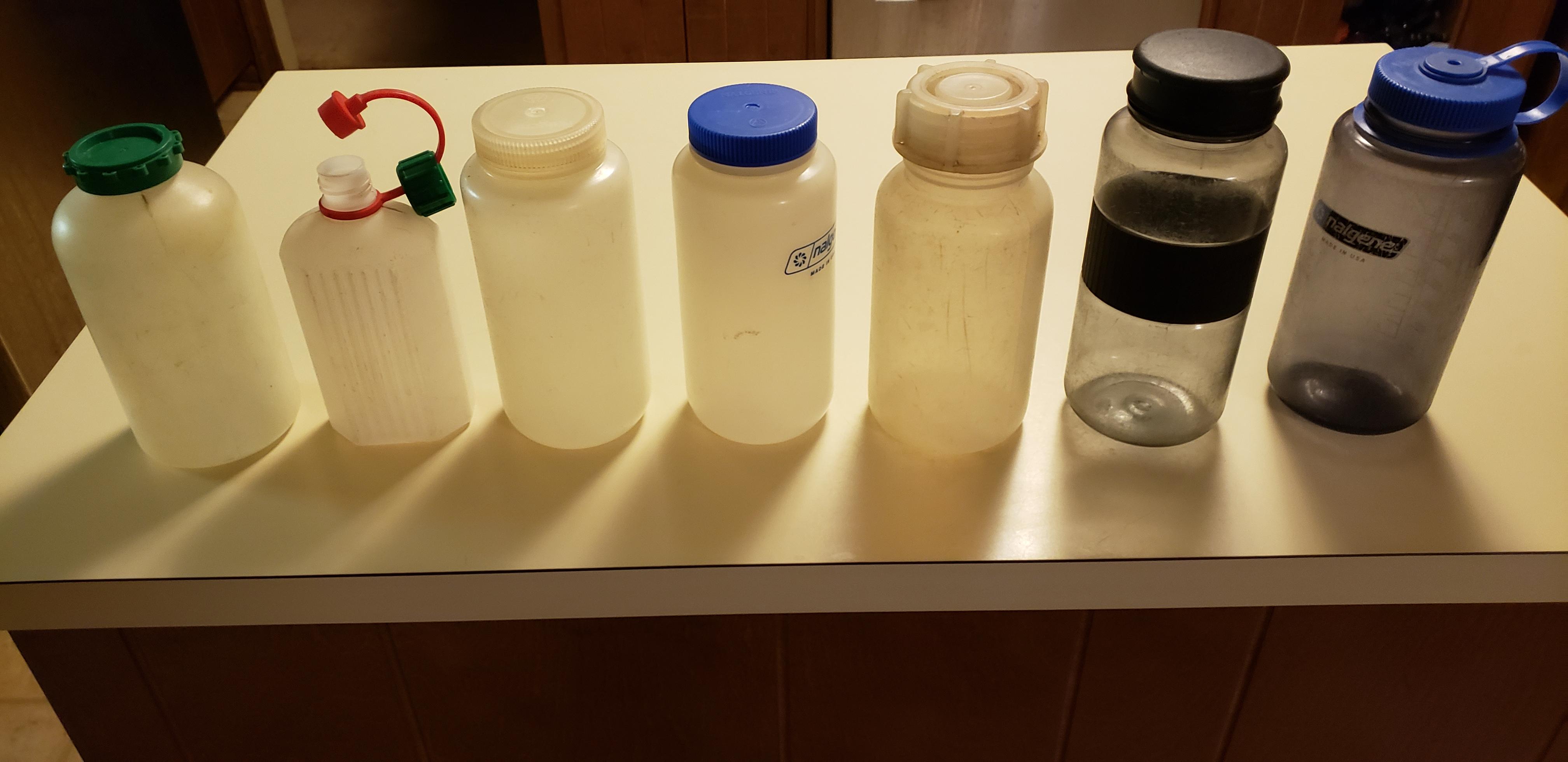
For my personal newsletter, I was digging into the history of nalgene and thought this forum would find it interesting!
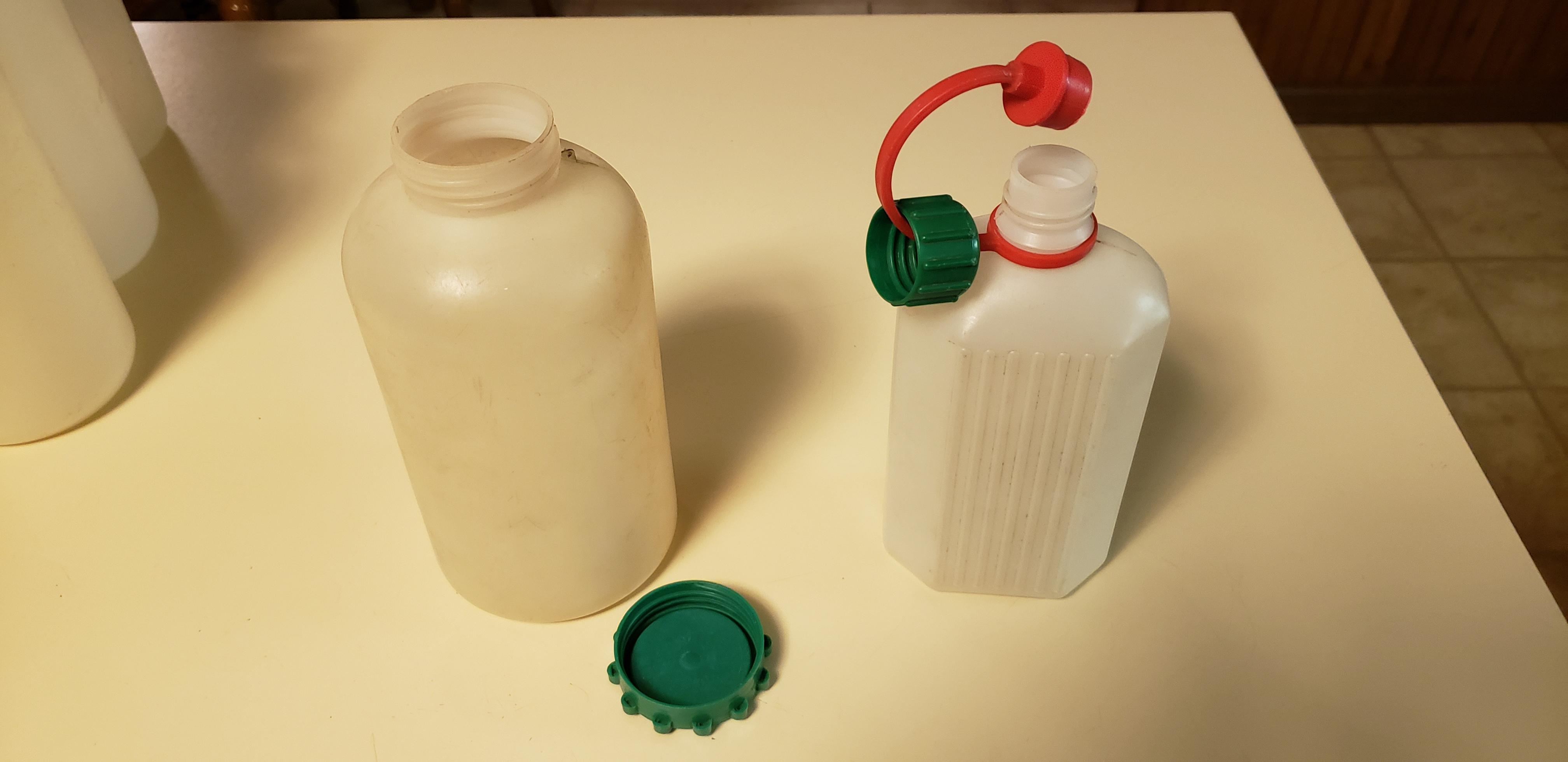
In 1949, in Rochester, New York, chemist Emanuel Goldbery developed the first plastic pipette (science eye droppers) for his laboratory. He then founded the Nalge Company and expanded from pipettes to producing plastic lab bottles. The plastic material was more durable than traditional glass, while the screw tops worked well to contain liquids and odours. It was practical in the lab and even more so for scientists working outside in the field. One important thing to keep in mind is that at this time, the world was just starting to move away from Bakelite and rubbers to petroleum-based plastics, which were a relatively new invention. Plastic would not have been a common sight in the home or office.
Just over a decade later in the 1960s, outdoorsy lab scientists started taking their plastic labware with them on back-packing trips because they were unbreakable, leak-proof and lightweight. The popularity of reusable containers grew in the 1970s as the Leave No Trace philosophy was embraced and groups like the Sierra Club began discouraging campers from the previously common disposal practice of burning or burying cans or glass canisters. Around the same time, the President of Nalge Company saw his son using the containers on his Boy Scout trips and had the idea to market the polycarbonate bottles as high-quality camping gear. The “original water bottle” was born.
You can find out more here (and subscribe!) at https://considered.substack.com/p/nalgene