Topic

Heating your tent with a candle or oil lantern

Viewing 25 posts - 1 through 25 (of 29 total)
PostedDec 24, 2016 at 3:01 pm

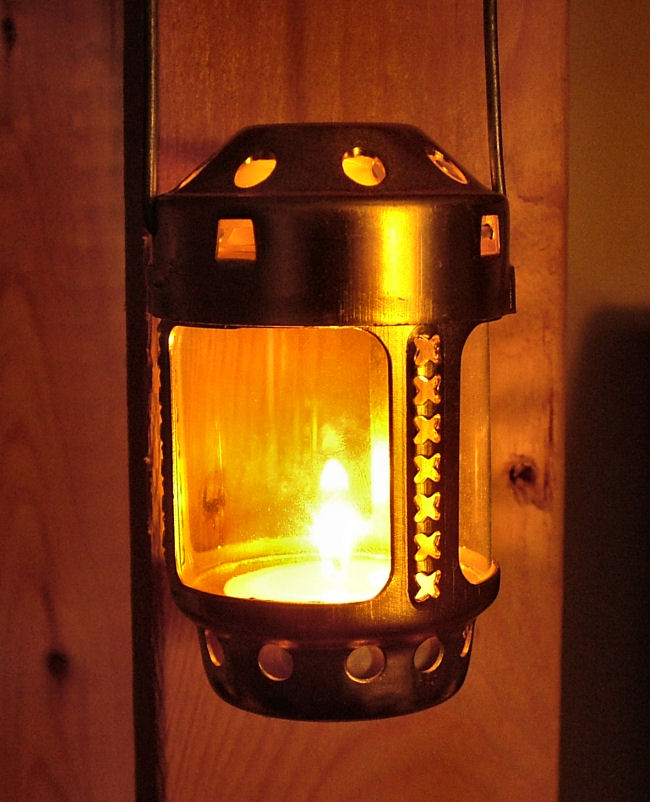
I’ve used telescoping candle lanterns as well as a Candoil lamp oil lantern to heat a 3 person dome tent. IT works well with the Candoil lantern lasting over 3 hours.

Back in the ’70s, before LED headlamps and lithium batteries (you know, the “Dark” Ages) candle lanterns were all the rage. I still think they are great for winter for laying about in a tent and reading before bed or when stormbound. You get both heat and light and a cozy atmosphere.

Anyone else still use these?

PostedDec 24, 2016 at 3:09 pm

I’m a big fan of the ambiance of the UCO candle lantern when taking mellow trips where I’m not worried about the weight, though I’m skeptical of any noticeable heating properties.

David Thomas BPL Member
PostedDec 24, 2016 at 3:42 pm

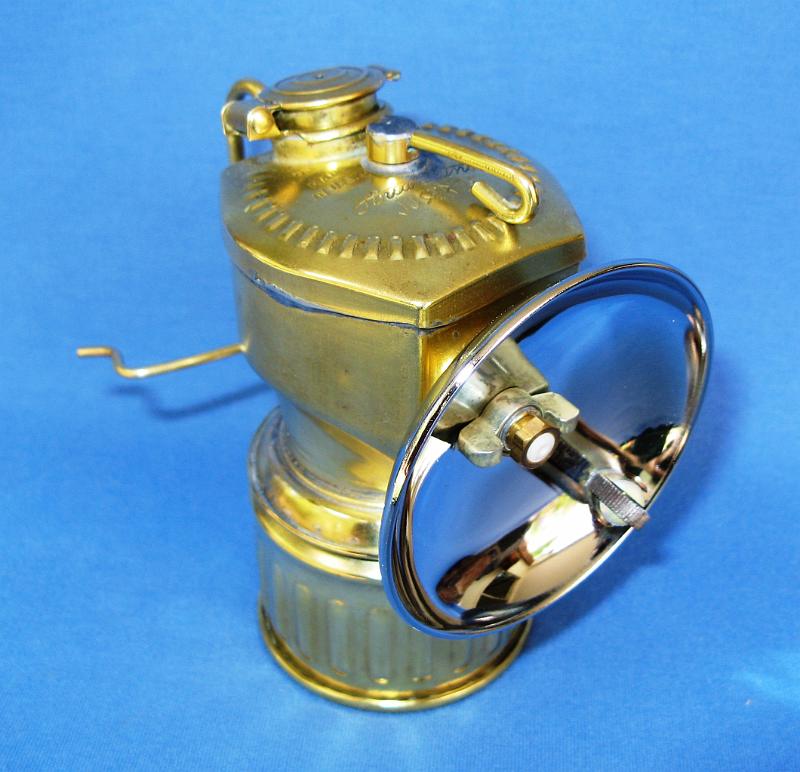
Having caved long enough ago – pre-LEDs – that carbide lights were still in the mix (especially for longer trips and bigger caves that needed more light), I’ve used carbide lights on backpacking trips.  Far lighter and vastly more compact than a Coleman lantern or even than a butane lantern, they are the equivalent of a 20-30 watt incandescent bulb (versus about 100-watts for the Coleman lantern) but are more directional.  I’d typically hang it from a tree and direct it at the kitchen area in camp.  One had unlimited ‘battery life” by just bringing a few ounces more carbide.


The rotating lever on top adjusts the water drip rate and therefore the flame size.  The wheel at lower right is the sparker.  They’d work to heat up a tent more than a candle does, although they smell a little more.

Like Craig, I’m doubting you could heat a tent up very much with a candle or small lantern.  But a snow cave?  An igloo?  An earth-shelter?  Absolutely – Yupik and Inuit peoples have done that for thousands of years with seal-oil lamps.

For simplicity, if you only want heat, I’d suggest a candle.  But if you also wanted more light – light you could even use for route-finding, then consider a carbide lantern.  Or, know, just get an LED light with lithium batteries!

Bob Moulder BPL Member
PostedDec 25, 2016 at 6:02 am

Back in the Dark Ages I used (and still have) a little Coghlan’s tea candle lantern and found that it could warm things up considerably, depending upon the ventilation in the tent. Had to be careful not to spill wax on my WM bag, of course, but that was the UL lighting solution back then. Although I haven’t weighed it, I am pretty sure it is much lighter than the UCO.

Now that you’ve got me thinking about it I might well take it with me next time and see how it works inside the Duomid. Could make for some nice night photos.

Ethan A. BPL Member
PostedDec 25, 2016 at 6:51 am

Happy holidays BPL.

Eric I’ve used an Uco candle lantern every winter trip. Never measured the difference with and without, but it does add some warmth and cozy ambiance…a bit of Danish “hygge” to get through the long winter nights.

In addition, it helps considerably to reduce condensation, which is nice when you’re trying to dry things out in the tent.

I’ve always been careful to maintain good ventilation even in very cold weather and don’t leave it lit when sleeping.

David that’s one of the coolest devices I’ve seen in some time. Seeing, handling and learning about older technology and devices is a passion.

Bob, cool to see a UL version of the candle lantern. About how much does yours weigh with and without the tea light?

PostedDec 25, 2016 at 10:35 am

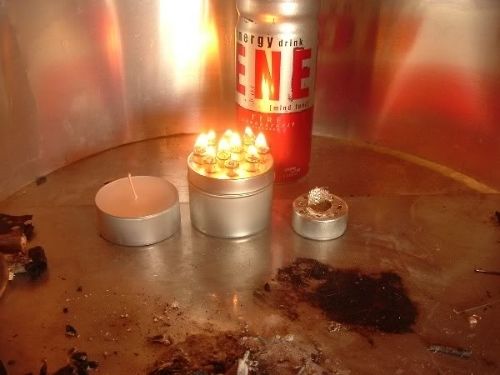
This DIY candle burns olive oil, gives off a lot of light and heat. 


Bob Moulder BPL Member
PostedDec 25, 2016 at 10:36 am

Bob, cool to see a UL version of the candle lantern. About how much does yours weigh with and without the tea light?

It weighs 69.3g (2.44oz) alone, 83.6g (2.95oz) with a common tea candle in it.

Roger Caffin BPL Member
PostedDec 25, 2016 at 1:44 pm

Sue and I both have carbide lanterns from the 60s – but I have NO idea where they are today! And I will bet the reflectors are tarnished by now too.

Cheers

PostedDec 2, 2019 at 6:34 am

Ah well, methinks I’ll fill up my converted candle lantern (a Candoil conversion kit) and the larger Candoil collapsable lantern and wee how they do hanging inside my Scarp 2.

As far as heating goes, even one Candoil lantern does give off a lot more heat than a styrene candle because the wick, therefore the flame, is larger and I think the lantern oil may burn a bit hotter. That’s been my experience when comparing them in winter.

BTW, I just found the lantern on sale on eBay for $55. Snatch it up!

Roger Caffin BPL Member
PostedDec 2, 2019 at 9:19 am

@Eric

Just remember that you will still need some ventilation if you want to avoid CO poisoning.

Cheers

David P BPL Member
PostedDec 2, 2019 at 12:35 pm

The Coghlan lantern is a very attractive design!

I use olive oil in my emergency candles for light   During power outages at home. Nice non-smelly burn.

@ Dan Y- would you mind sharing the specs of your DIY olive oil candle? I love the multiple wick design! It was -4F (-20C) last night, although I was quite warm in my sleeping gear I would like to bring a little back up into the field just in case…

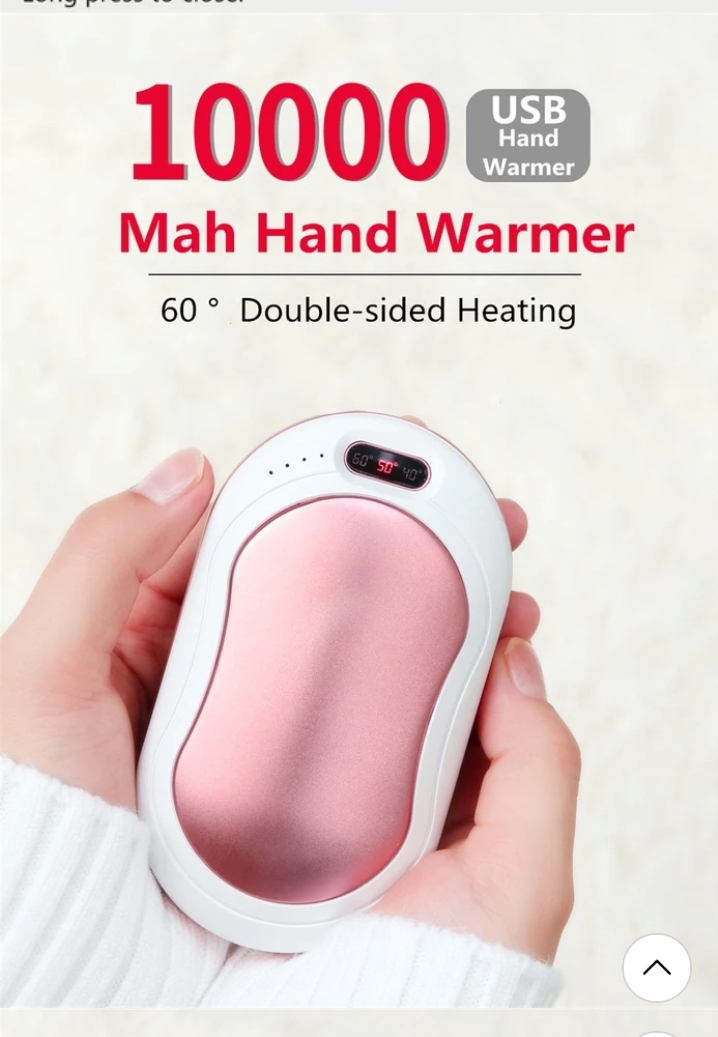
-~<[{ “Invention idea” }]>~- I wonder if someone has or could develop a small, USB rechargeable personal heater. One that puts out a small amount of heat like say, a boot dryer.  The heating element and fan would be safely encased inside the housing and one could bring it right into their sleeping bag or place two of them into wet boots… I have seen usb rechargeable medical devices that heat up enough to vaporize plant material, like a tiny oven. I bet the technology wouldn’t be too far off from that …

PostedDec 2, 2019 at 1:20 pm

Do the math first to see if it is even viable.  Figure out how many watts that you want to output.  With fuel, figure a 50% efficiency as a start.  Determine the number of hours that you want it to burn and you can figure out the amount of fuel that you will need to bring.  My guess is that the weight will be pretty high..

Electrically, assume 100% efficiency and I think that you will find that you need a big battery.

My 2 cents.

Jerry Adams BPL Member
PostedDec 2, 2019 at 9:57 pm

make sure candle isn’t between you and the door

if there’s a fire, you want to be able to escape : )

David P BPL Member
PostedDec 3, 2019 at 10:27 am

Maybe 50-75 watts for half an hour a night? Just enough output to heat inside the sleeping bag, not the whole tent. Not sure how heavy that would have to be or how to calculate that tbh (insert Dr Leonard McCoy “damnit Jim, I’m a doctor not an electrical engineer!”) you’re probably right though and thanks for the reality check!_! I will speak with my brother (who actually is an electrical engineer) Maybe in the near future battery technology will become smaller and lighter. If a personal, portable, battery powered heater were feasible it probably would have already been developed and endorsed by mountaineers and hunters by now.

Being endothermic I guess I’ll just stick to my usual performing vigorous sit ups in the bag to generate my own therms with biological furnace.  [-_-] No weight penalty- free – no CO poisoning or fire risk – counts as exercise – comical to watch         (think enormous, writhing caterpillar) added bonus, no math involved.


Roger Caffin BPL Member
PostedDec 3, 2019 at 11:25 am

What you have to remember is that modern batteries already have a huge energy density. Much more and they could resemble a hand grenade. Think exploding laptop batteries.

Cheers

PostedDec 3, 2019 at 3:34 pm

@ Dan Y- would you mind sharing the specs of your DIY olive oil candle? I love the multiple wick design! It was -4F (-20C) last night, although I was quite warm in my sleeping gear I would like to bring a little back up into the field just in case…

Message sent with links.

Jerry Adams BPL Member
PostedDec 3, 2019 at 4:32 pm

tents are made with very flammable nylon.  Be very careful you don’t set it on fire.  If the tent catches on fire it could be difficult to get out of the tent.  The flaming/melting nylon could get all over you and cause severe burns.

Roger Caffin BPL Member
PostedDec 3, 2019 at 8:17 pm

@Jerry

tents are made with very flammable nylon.
Sorry, but if you are talking about silnylon tents, that is quite definitely NOT true. I tested standard (Westmark) silnylon some time ago using the Standard flame test for flammability, and the fabric almost failed to support combustion. The silicone polymer is not really flammable.

I am not so sure about the older PU-coated nylon fabrics, but that is hardly relevant any more today.

This whole thing about flammability and flame retardants is a well-documented fraud by some chemical mfrs many years ago. They don’t work. In addition, the retardants are toxic. States are moving to drop the whole thing, despite the frantic pleas of “what about the children” from the chemical mfrs.

The only pics I have of melted tents (melted, not burnt) are of cases where there was a white gas fireball inside or just outside the tent. A couple of different cases, not just one. And while the tents looked melted, lots of the fabric remained, with what was left of the tents were still standing.

The risk from CO poisoning is however real.

Cheers

PostedDec 4, 2019 at 9:41 pm

Ah, yeah, “The risk form CO2 poisoning…”  Forgot about that one – and forgetting about that has deadly consequences. Thanks Roger. I’ll ventilate more when using my oil lantern and be moe cognizant of physical warning signs because they come on quickly.

Roger Caffin BPL Member
PostedDec 4, 2019 at 11:16 pm

Hi Eric

No, not CO2 poisoning (which one can sometimes recognise), but carbon monoxide poisoning. You cannot identify CO poisoning, and it is far more likely to happen in a closed tent when the oxygen levels are falling – incomplete combustion in a low-temperature flame.

Trouble is, the ventilation (at the top of the tent) lets all the warm air OUT!

Cheers

Viewing 25 posts - 1 through 25 (of 29 total)
Loading...