For decades I’ve been using satellite phones and handheld communicators, and watching the industry. Good background information in these BPL articles, and though many specific products have come and gone, the satellite systems targeting backpackers have barely changed in functionality:
Introduction – Two-Way Satellite Communications for Backpacking
https://backpackinglight.com/satellite_communications_sotmr_part1/
Satellite Phones
https://backpackinglight.com/satellite_communications_sotmr_part2/
Satellite Texting
https://backpackinglight.com/satellite_communications_sotmr_part3/
What Matthew said is true. And the inReach Mini is the way to go if you carry a smartphone while backpacking. It’s the lightest, it’s not too hard to use, and both Garmin and Iridium have earned good reputations over many years. You can use the Mini without a smartphone (or if your phone croaks), but sometimes requires extreme patience.
The inReach Mini goes on sale for $50 to $100 off once or twice a year. The last sale was around Thanksgiving, so the next might be spring 2021. It’s still a pretty good deal at list price.
Some newer, sleeker, but usually heavier devices also using Iridium satellites are starting to get good reviews, like the Zoleo – but the inReach Mini is still the one to beat IMHO.
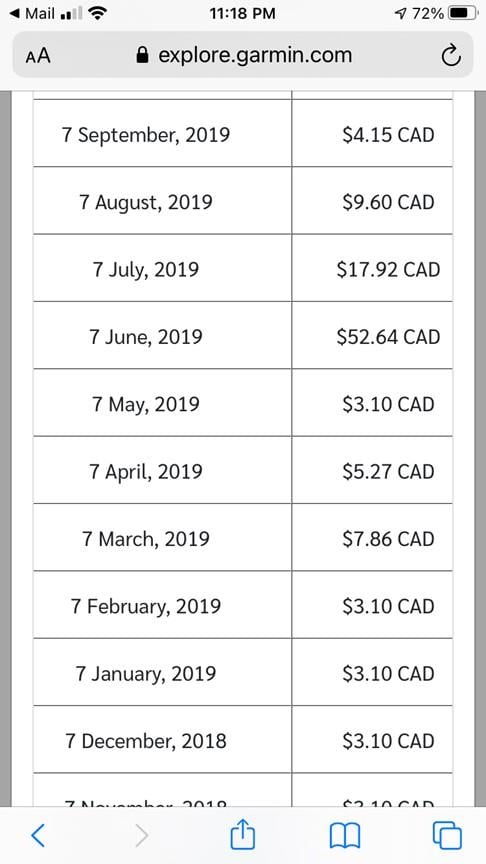
Beware some devices with odd service plans – charges by the message and track point can add up quickly. But the inReach service plans are a little confusing and priced right at many people’s pain thresholds. I find their Freedom plans pretty handy because I can activate just for the months I need, but they just announced yearly fee increases. Sigh.
Features to consider: Reliable SOS is important, and so is a well-protected SOS button to prevent false alarms. Tracking can be important to keep others happy, and help rescuers find you if you are incapacitated. Lots of canned messages (way more than two or three) is very handy. Sending free-form text is impossible or painful from almost all devices unless you carry a smartphone. Mapping features on all satellite communicators are mediocre at best, use Gaia on a smartphone instead. Long-enough battery life is very desirable for shorter trips, but recharging from a USB battery bank works fine. Light weight is desirable, but a couple of ounces shouldn’t drive your decision.
Don’t be tempted by the cheaper but far less reliable and functional SPOT devices. And satellite phones are great for large group trips, guided trips, or especially risky trips, but are too heavy with too few features for most small trips.
Some interesting new satellite systems like Starlink are coming along, but so far they need much bigger antennas and a lot more power than practical for backpacking.
Hope this helps.
— Rex