<span style=”font-weight: 400;”>Efficiency tests of four alcohol stoves (Trail Designs Kojin & 12-10, Zelph Starlyte mod. and Toaks Siphon) in a Trail Designs Classic Ti-Tri caldera cone with the 400ml Evernew companion cup</span>
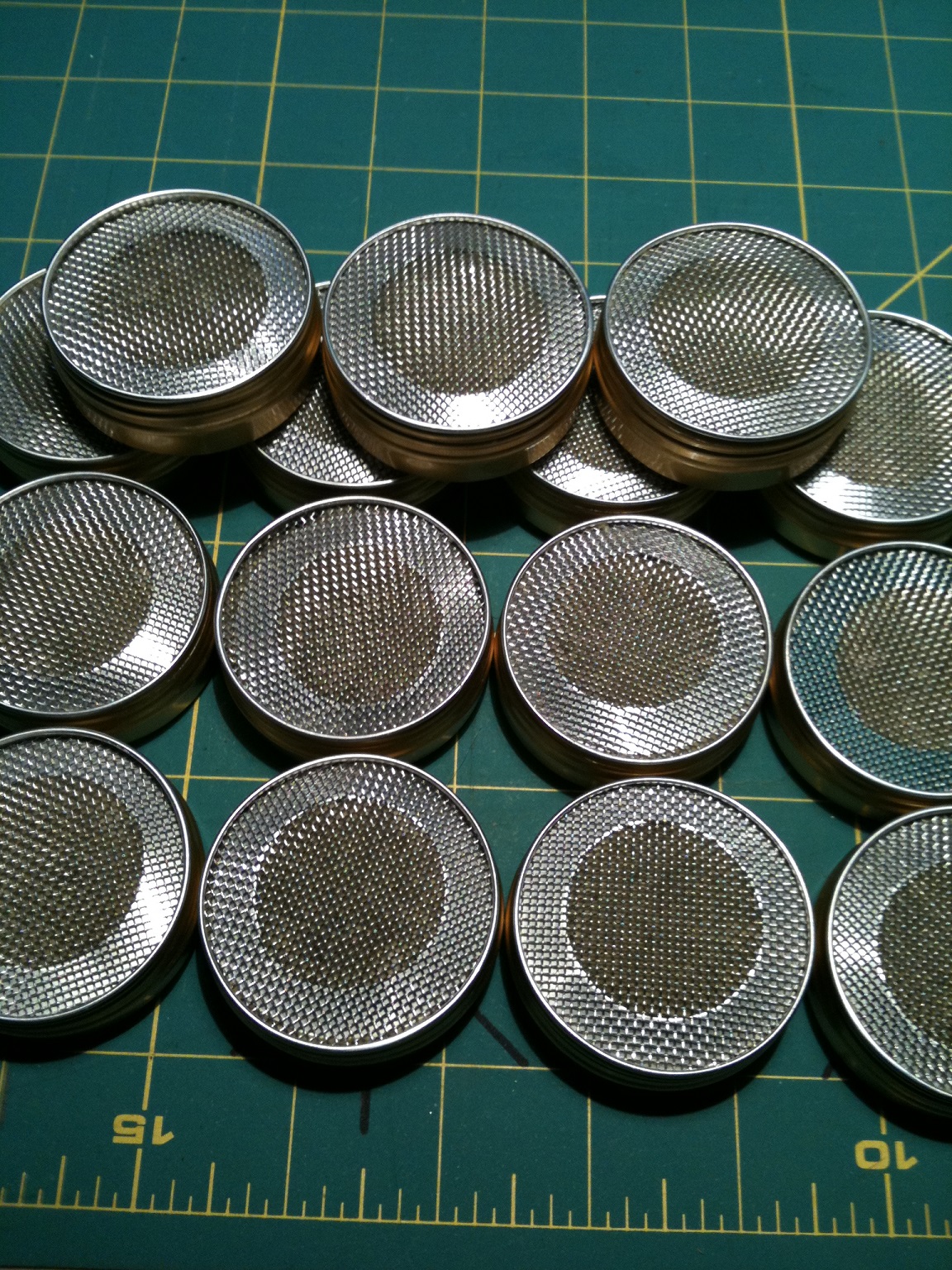
A bunch of alcohol stoves four of which are included in this test/thread.

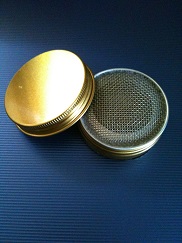
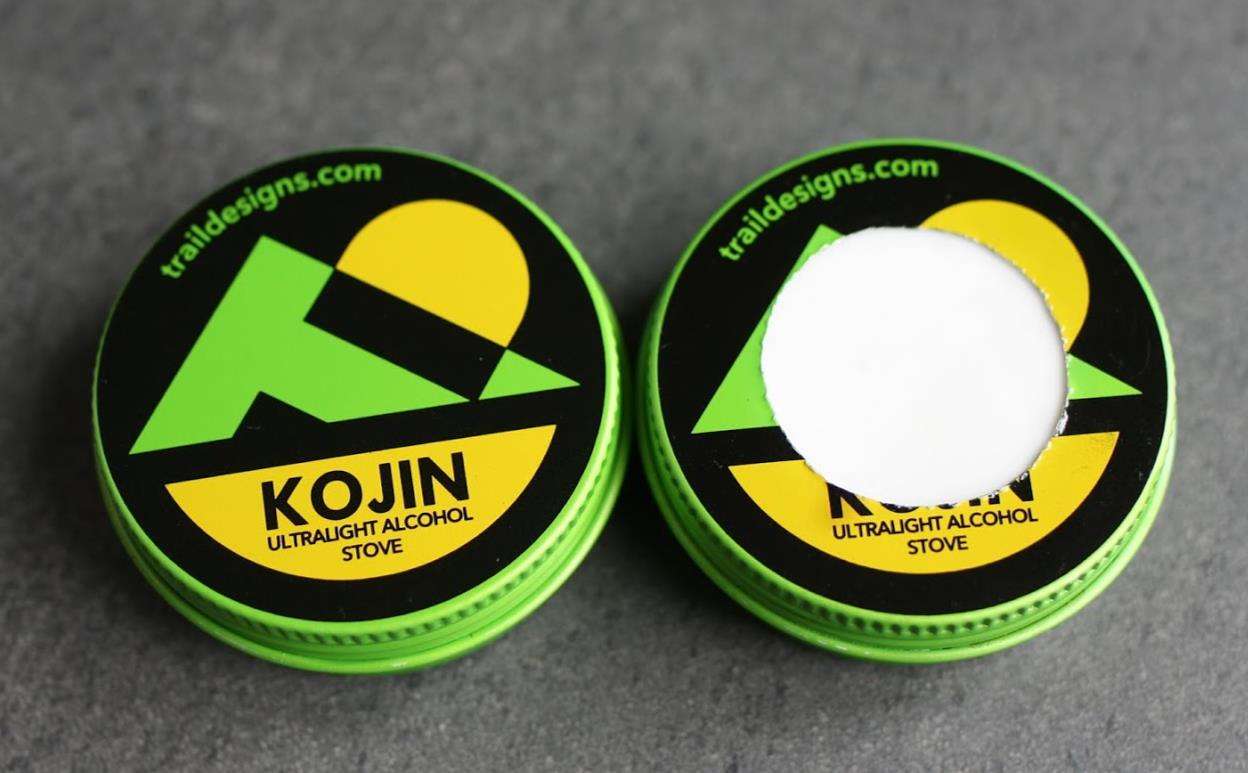
The modified Trail Designs Kojin Stove (Highly inspired by Zelph’s Starlyte stove). A 35mm disk was cut out of the Kojin’s lid. This is same diameter opening as the Starlyte.

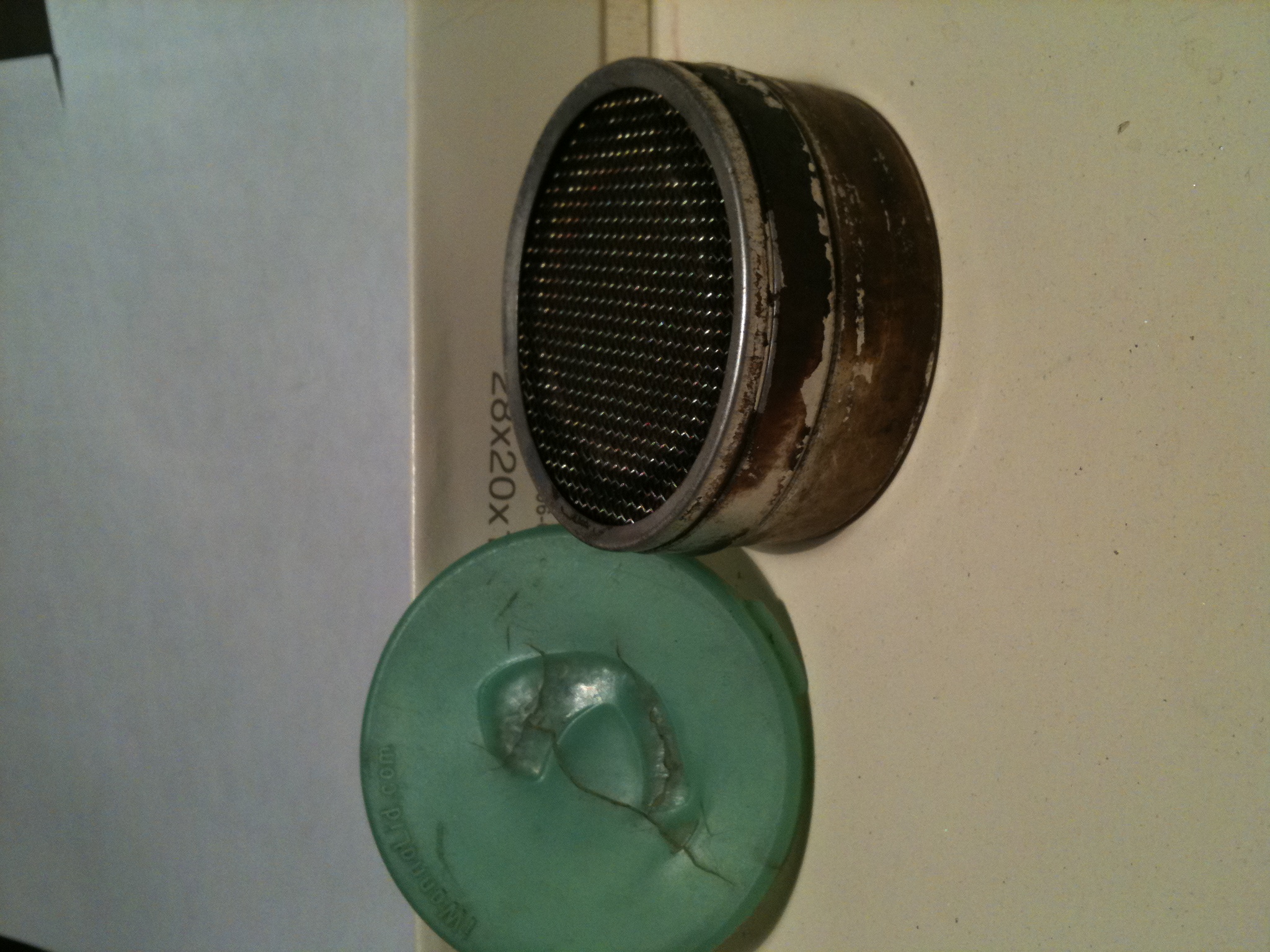
Below is a photo showing the modded stove next to the un-modded. The modded stove basically has a reduced output function (similar output to the Starlyte) but can still work like the original Kojin stove – Just screw of the lid. The silicon disk can be popped in and out while it still seals in the stored alcohol.


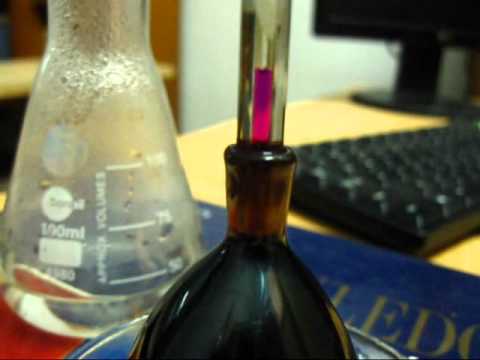
My simple equipment and setup:
All test were done in a Trail Designs Classic Ti-Tri Caldera Cone with the Evernew companion cup (diameter of 96mm excluding the lip). Most stove or stove systems responds with faster boil times and increasing efficiency when pot diameter increases. Unfortunately, I do only have one caldera cone to base these tests on.

The test are primarily based on the theoretical minimum consumption using a more precise laboratory syringe. Weight-based fuel consumption measurements has generally been avoided since the typical household kitchen scale, like mine, is imprecise. But the weight-based approach is far more convenient with wick-type alcohol stoves (e.g. Starlyte and Kojin), since their output decreases when there is 3-5g of fuel left.
The boil tests are primarily done indoors starting with a water temperature of either 8C or 20C – tempering water prior to the test is the most boring part ;) The lower 8C temperature is chosen since its the coldest my tap water goes and 20C is chosen since others testers often has used that. Using colder water (and a larger water volume) gives better accuracy in tests since more fuel is used which is easier to measure precisely. Some tests are done outside and in my shed – watch for wind and air temp in the boil test table further down.
All indoor tests was done under a exhaust hood which generates a very mild air flow.

The simple testing equipment.

Theoretical minimum consumption idea
If you have a stove with a constant output that has a total burn time of 12 minutes on 30ml ethanol and boils 500 ml in 6 minutes – The minimum consumption can then be estimated to be to be 30ml of ethanol per liter boiled water.
This simple approach can be used to better estimate the actual fuel consumption when you add slightly to much fuel in boil tests. Since this approach only works with a constant output the total burn time has to measured from ignition until flames/jets starts to dive down. This do not work great with all stoves.
Weights and measurements of burners:
Weight Diameter Height
Starlyte mod.+ lid 17g 56mm 25mm
TD 12-10 stove: 15g 82mm 40mm
TD Kojin + lid: 16g 62mm 22mm
TD Kojin mod. +lid: 16g 62mm 22mm
Toaks Siphon 23g 40mm 54mm
(Wierd note: I finally got the name of the 12-10 stove ! Its because it has 12 outer holes and 10 inner holes. That name must relate back to the development phase of the stove)
Table nr. 1 of boil tests in the Ti-Tri Classic cone (Evernew companion cup version): Indoor tests are indicated by no wind (0 m/s). Boil times are given in minutes and seconds each in the column under “Boil time”. “Fuel consumpt.” shows the amount of fuel added or in the case of weight-based measurements the actual consumed fuel. Afterburn is the extra boil time after the water has boiled.

Table nr. 2 of boil tests using a Toaks wire stand (reduced height to 65mm) with variable pot-burner distance (PBD) depending on burner height. Toaks Siphon has an optimal PBD of ~25mm. I have not tested the optimal burner distance on the other stoves.

Some discussion points
Extra tests of the Siphon are included in the above table 2. The purpose was to test the repeatability of my setup/method. The repeated measurements with different amounts of fuel additions with the same cooking system also indicates that the theoretical minimum consumption approach is not far off.
The siphon generally performs well in both fast boil times and good efficiency. In a simultaneous cold-weather outdoor test VS the Ti-Tri Classic using pots with the same diameter, the Siphon stove (w/ Whitebox stove windscreen) performed a tiny bit better than the caldera (see the two last rows in table 2. The Siphon is showing quite good efficiency on small diameter pots and also in tests that was not included in the thread.
The modded Kojin stove performs very similar to the Starlyte without a caldera cone. With a caldera cone the Starlyte is slightly superior both in boil time and efficiency. The Starlyte (mod./cone version) has so far been the most efficient stove overall but its a close race. The modded Kojin has the advantage of two outputs while still be able to store the remaining alcohol.
Efficiency of the Kojin stove without a caldera cone is quite variable compared to all my tests. The flames are all over the place. Its very likely that the efficiency will be much better in a caldera cone where the flames are concentrated into the bottom of the pot. Especially in larger diameter pots.
Generally, all burnershas their advantage either in a cone, compatability with multible pots, cold-weather advantages etc. and some aspects remains to be tested, like how the burners perform in cones with larger diameter pots.
I hope these tests are useful to you guys. Some of this was a terrible read, I know, but I gave the details in this thread to refer back to in future threads/tests :)