Hi Geoff, thank you for your feedback and excellent questions!
I will get the site proof read by some one and I have edited the incorrect Apex specs you pointed out.
>>First, do you really get a dewpoint inside the quilt at just -5C?
Dew point can be inside the quilt af -5C or even warmer temperature under certain conditions such as
1. when sleeping out in the open under the stars (radiative heat loss)
2. when single wall tent / tarp camping in snowfall and the bag is touching the tent / tarp wall (high humidity + conductive heat loss)
I have read many post on BPL where people had condensation in the bivy in the condition 1 and then concluded the issue is with the bivy. Without a VB inner, the condensation is in unavoidable.
>>Second, you say that you found the VB added 10-15f compared to a breathable fabric, which seems a lot. What do you think is going on to cause this?
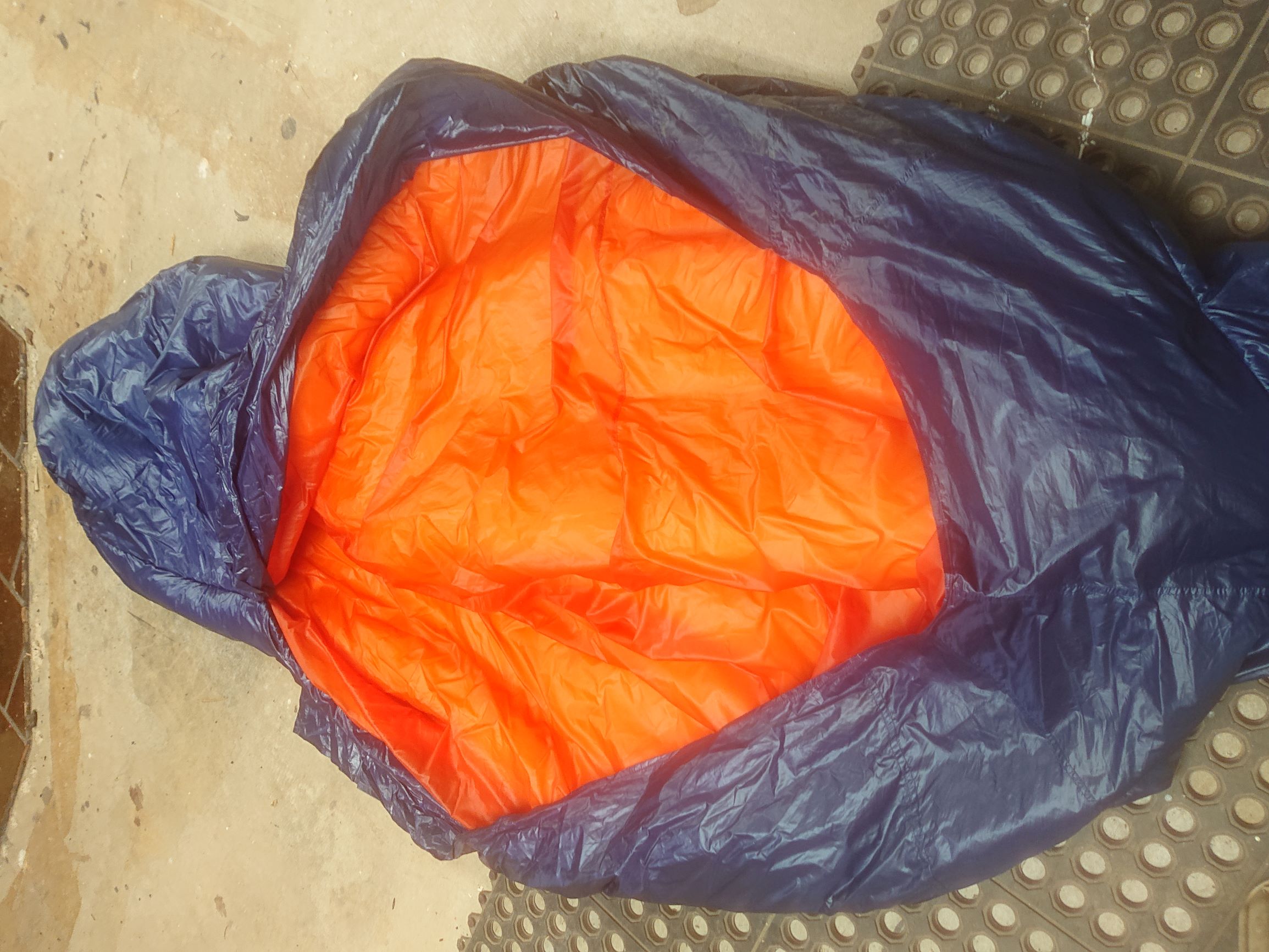
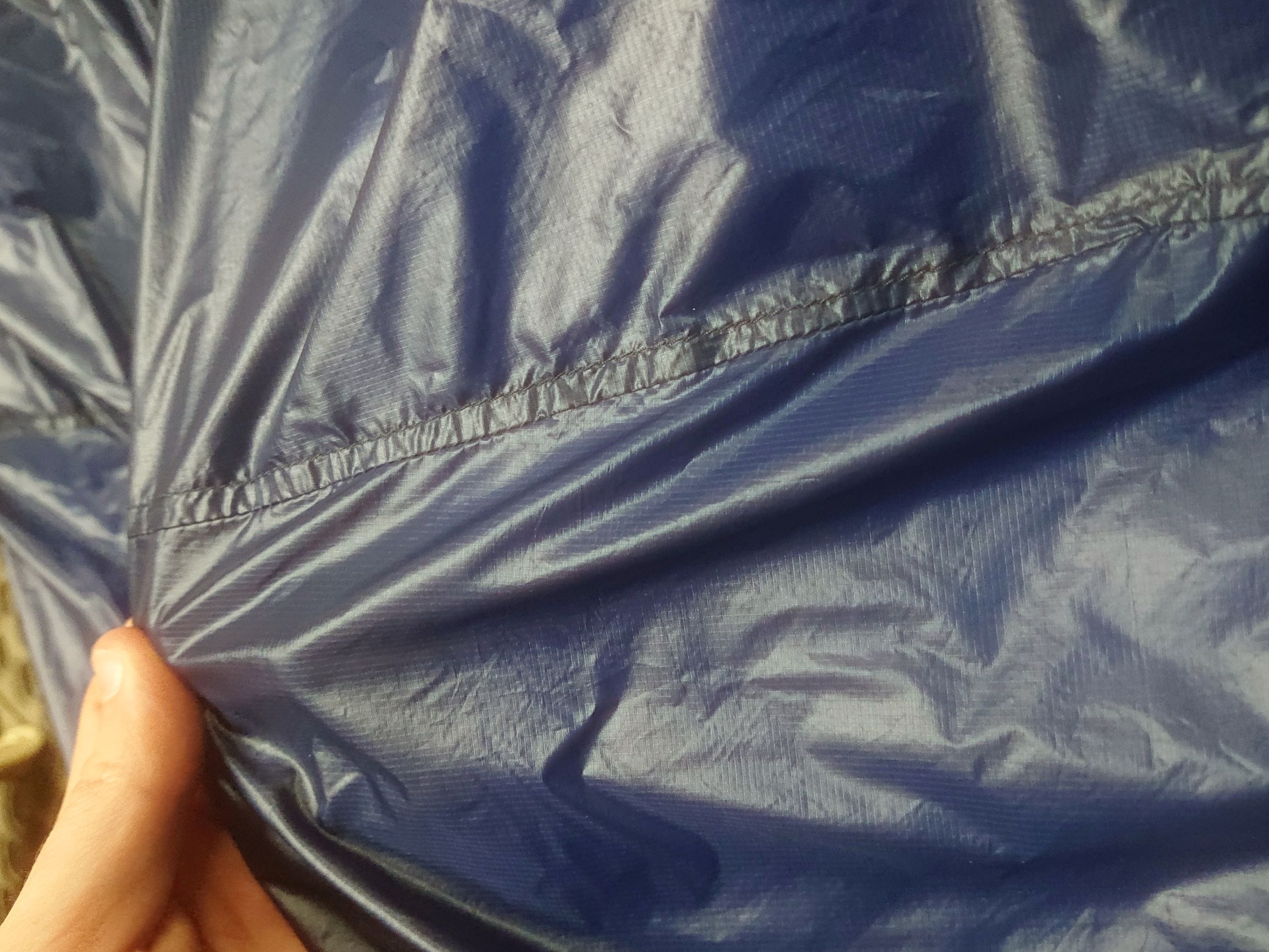
The convective, conductive and evaporative heat loss is minimized by using zero permeability (0 cfm) VB and low permeability (5 cfm) windproof shell. CFM means cubic feet of air per minute and is a number that measures air permeability. For comparison, Membrane 10 from RBTR has CFM ~48.
>>And lastly, one of the big advantages of a quilt is the ability to use it in a wide range of temperatures.
Peter Van Geit tested my solo VB quilt in extreme variations between 1000m – 5000m in the Indian Himalayas for 4 months and found the quilt comfortable – – he was able to adjust its coverage as needed.
I found VB inner quilt works fine at higher temperatures as the quilt breathes through the breathable draft stopper. Feedback I got from early users supports this.
One way to take VB to warmer condition with more comfort is to make a convertible footbox that can be opened in warmer conditions. I offer this as a custom option.
The reason I made a custom 10d taffeta silynlon is to have a more comfortable fabric next to the skin than other 15D and 20D coated fabrics. IMO it feels nicer than the 7D ripstop from RBTR which I have worked with.
Your idea for MYOG project is one I have considered before. One issue with this approach is that it will result in condensation in many conditions where i want to avoid it – just search “waterproof bivy condensation problem” and you will see what I mean. If you decide to go this route, use eVent or fabric used by milesbivy as these have been found to have least condensation issues. But the penalty is weight – these fabrics are 2+ oz/yd² while the 10D shell I am using is 0.74 oz/yd².
The issue I have with using 7D waterproof breathable with VB inner is that the quilt would be difficult to dry if it did get wet.