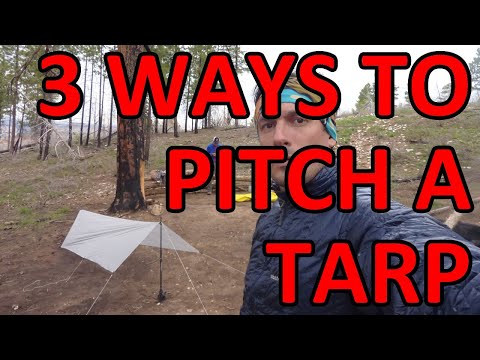
"1- since these type of shelters are floorless, how can I prevent, in case of rain or snow, my sleeping gears from getting wet?. I saw people mention bivy bags, and stuff like that. Are these designed to prevent your quilt and sleeping pad from getting wet?"
Well, yes and no. Bivys were first designed as specialist/minimalists gear for climbing around a waxed/oiled blanket. They do pretty well for one night but can build up a bit of condensation. Rain does not usually penetrate these, but you will usually get the feeling that they leak. They work well with wool blankets or synthetics but tend to wet down. You end up paying in the weight of the quilt/bag what you would have saved with the bivy vs a larger tarp. In very cold weather, they are warmer when coupled with a VBL. Some of the Bug-Bivies do fairly well and come in at around 6oz or so. I think they also have a bathtub floor and can be usefull under a tarp.
As a shelter, I can recommend Zpacks.com. He makes some fair all-around shelters with additional floors and screening, if needed. I usually use a DIY shaped tarp at about 16oz. I use a simple painters drop cloth (~2.5oz) for when the ground is wet. Small and compact (about half the size as the Hexamid) but not the lightest thing out there. I also have the Hexamid Solo tent for when I expect a lot of rain (4 out of 5 days), though. Joe at Zpacks makes some nice UL packs lately and some quilts and bags, too.
"2- Any recommendation for a quilt."
EE Enigma. Best bang for the buck.
"3- Any recommendation for a sleeping pad."
NeoAir for three seasons. I don't get out in winter much, but use a NightLight/Luna pad over this to prevent edge bleeding of heat at below 10F-20F. My quilt/bag goes between the two layers…more'r'less. I have been known to put the XFrame in my 0F bag, also.
Whatever you do, you need to balance your system to the worst case you can expect to encounter when you are out.
Even at 0F, I expect some water. Sun, body heat, cooking, etc will all melt the top layer of snow. Fabrics will stick to snow overnight. Ice may form inside your bag. In rain with a tarp, choose higher ground, preferably on a slight mound, though any slope will work OK. Avoid low spots, dips and water funnels. Check the ground for any signs of old water flows, mud spots, or moisture loving plants and avoid them. Choose sheltered areas as much as possible, remembering to watch out for water. BTW, I use a tarp even in winter, usually.