


del
Topic
Become a member to post in the forums.
del

I have to second Rick's comments, although I'm not an expert.
The CDC reports that about 1/3 of adult Americans are pre-diabetic, and 93% don't know it. Pre-diabetes, metabolic syndrome and insulin resistance are all interrelated, and his comments apply.
Simply stated, too much white flour, sugar and other processed foods that are easily converted into blood glucose lead to an insulin spike in your blood, causing your body to stop metabolizing fat in order to clear out all the glucose (very bad if not cleared out, leads to macro- and micro-vascular disease, hallmarks of diabetes). Thus you tend to put on and store fat instead of using it up. Also, a diet heavy in the above is not as filling as the kind Rick mentioned, causing you to eat more.
You mentioned your toothbrush still has a full handle.
I once went through every piece of gear I had and tried to figure out a way to make it lighter somehow. So, my travel toothbrush lacks the little cover. My pot got a dead-aluminum lid instead of the one that came with it. All my hygiene/first-aid items got smaller and fewer. I compared my socks to find the lighter pairs. I compared spoons to find the lightest one. I decided a used yogurt container was lighter than a plastic bowl dedicated to the job and that I really didn't need a separate cup or mug. I could just drink out of the yogurt container. I compared my jackets to find the lighest option. I compared my shelter + rain gear options to find the lightest ones. Etc. I ended up eliminating 9lbs by evaluating and modifying every single thing I normally brought.
To answer your direct question, light is as light as possible to serve the functions.
2 pair of socks swapped out and washed are often unnoticed vs 7 pairs. Carry that logic thru your whole system. Im fairly new to this game, second season really pushing weight down, but the rewards on my energy are amazing, like exhausted after a few hours vs 12 hour repeated days that seemed unreachable with a 30lb pack.
I needed to carry 8L of water on a recent hike (long story), that 18lbs starting weight added to my 14lb base+food bag was not great but still less than my previous dry loadout.
Really be critical of every item, down to ziplocks etc. Every single thing adds up. The bag your first aid gear in may weigh a few oz empty, thats the level of criticism you need to apply to every item.
Doing that allows you the luxury items within reason, in my case 1lb of gps and camera.
It's worth the efforts.
By the way, except for possibly a wider range of clothes for wider potential temps, and food, 7 days vs 3 days is the same.
Posted 07/10/2014 11:39:34 MDT by Piper S. (sbhikes)
I decided a used yogurt container was lighter than a plastic bowl dedicated to the job and that I really didn't need a separate cup or mug. I could just drink out of the yogurt container. I compared my jackets to find the lighest option. I compared my shelter + rain gear options to find the lightest ones. Etc. I ended up eliminating 9lbs by evaluating and modifying every single thing I normally brought.
a friend of mine wanted to swing by REI for a few things for a weekend backpacking trip. she asked me how much i thought the metal cup she was holding weighed. i replied it was far more weight and money than the plastic cup i got from the dollar store (6 pack for a buck!). i switched from a "backpacking bowl" to a Glad "disposable" leftovers container for hot oatmeal. my drinks cup and bowl weigh a massive 0.75 ounces.
the trick as many of us have found, is to really think and question what we are taking. why do a need a special "backpacking" version of this item when i have a very light one in the closet. what makes this "backpacking" other than marketing.
weighing the wants shows how heavy our minds can be.
So you take a toothbrush and cut enough of the handle off = 1/2 the weight
Now you take a travel toothbrush designed to be light and cut the useless crap off = 1/2 the weight of the above.
So now you have a toothbrush that guess what, brushes your teeth, for 1/4 the weight.
You can apply this to almost every piece of gear you have.
Some limitations are of course areas that keep you warm.
Seeing as that most peoples base weight is 12 pounds, you apply the above to your gear and you now have a sub 5 pound base.
Yes it is that easy and not rocket science, you just have to put in the work.
So how light is light? As freaken light as it can get.
"So how light is light? As freaken light as it can get."
Well. That's a very good ideal to shoot for… but it must be tempered by function and durability. Sometimes the very lightest things may not hold up to the intended use… or may not ever perform the intended use.
Billy

Folks,
As one of the founding members of Chunky Hikers Unlimited, I agree with the sentiments here somewhat. I've lost some serious weight since GGG and hope to lose even more before the next Norcal GGG with the hopes that I won’t be recognized. We'll see.
I suspect the OP understands this but this isn't an either/or conversation. It IS possible to lose blubber and lose pack weight at the same time. Speaking from experience, I felt a more immediate benefit on the trail from losing 40lbs from my backpack than 40lbs from my @$$.
As mentioned, CDC has indicated that obesity has surpassed Camel cigs as a killer so yeah, we should all keep losing that weight but don't use that as an excuse to ignore your pack weight.
Also, there seems to be a surge lately of "oh dear it's not about pack weight it's about the experience what were we thinking blah blah crank the Yanni and all that." Well when you're humping a 50-75lb ruck, your body is aching, your feet suffer, you feel smoked after 10ish miles, etc, it dang well IS all about the weight on your back and how best to lose it. That's another flame war for another thread.
How I transitioned from being a heavy hauler to a 8.5lb base weight over the past two years (warning, much of this has already been discussed):
1. Bought and read Skurka's Ultimate Hiker's Guide among other books
2. Joined BPL (best source of information I've found so far)
3. Bought a scale and weighed everything that went in my pack
4. Death by spreadsheet. Yes it's an UL cliché but it works!
5. Established 10lbs base weight as a goal.
6. Fell short of that goal last summer but still landed at 12lbs with a total pack weight on the Wonderland of 22lbs which included some of my daughter's food. Not too shabby imo.
The 12lb base weight kept me comfortable here in the PNW even when it was cold and wet out and while hiking in the rain.
Since then, I keep gaining more experience with this gear every time I take it out on the trail. I can honestly say there isn't a single backpacking trip where I don't learn something new and figure out a way to shave a few ounces here or several ounces there from my pack. I switched to a frameless pack (I suggest waiting on this) and made several small changes which dropped my base weight from the 12 it was last year to the 8.5 it is this year.
I'm at a point where losing ounces becomes a discussion on diminishing returns; I’ll keep looking for areas to lighten up put I’m pretty dialed in for three season PNW hiking. I'm at a point where carrying my backpack is a pain-free experience and the only limiting factor is my physical fitness and energy management.
Great stuff everyone, I think I get it.
Its not going to all come together at one time. I am trying to target the lowest pack weight possible now, so I can get out on the trail more readily to get the joy to help loose the weight.
I make a poor gym rat cause its just no fun for me, but eating healthy and hiking seem to go hand in hand so I am looking to get my favorite excercise to help me pound the blubber into oblivion.
I get the scale thing, I just began weighing everything in preparation for my upcoming trip and started to see the light. Although it may be only 10 lumens now, I can see the light at the end of the tunnel.
Your ideas and comments are helpful and appreciated…..
Kerry
Posted 07/10/2014 21:12:15 MDT by Kerry Wilson (mntnflyr4fun)
Its not going to all come together at one time. I am trying to target the lowest pack weight possible now, so I can get out on the trail more readily to get the joy to help loose the weight.
for me, it has been a continual process – i'm always developing my skills and looking at how i use the gear i bring. i have a large plastic storage bin that i keep my gear in and over the years have donated items that i no longer need/use. not owning it means i don't have to consider using it. if it's in the bin, it's something i use.
in 2005 i started backpacking seriously. that first trip was a grueling sufferfest. the first day was 9 miles and it felt like 1000. the last mile took an hour. when i staggered into the AT shelter, i was mentally and physically exhausted. the fact it rained all day didn't help, nor did the upbeat, energetic mood of the 3 people already at the shelter. why were they not miserable and defeated? i looked at what they were carrying and saw that i simply had packed for a week, not an overnight trip. that first trip was an eye opener, i realized there had to be a smarter way to enjoy backpacking.
i found that smarter way: http://www.backpackinglight.com
My journey to UL is still a work in progress as well, though I have come a long way from the days of packing a separate pair of tennis shoes, a trade paperback book, and a pair of jeans in my 7 lb packpack.
For me, leaving what-if stuff behind is hard! I'm the type of person that always keeps an extra pair of shoes, jacket, hat, etc in my car at all time… when I go out with the kids I still grab a spare outfit for each of them "just in case" to handle those inevitable accidents or spills. When I first started backpacking I brought that approach into the backcountry with me: Spare pair of shorts in case mine got wet, torn or dirty, heavier down jacket than necessary for the conditions "in case it gets extra cold" way too much fuel, just in case I estimated wrong or would up on the trail an extra unplanned day, extra flashlight in case my headlamp broke, or ran out of batteries, a backup lighter, etc. What helps me break out of that mindset is constantly running "what if?" scenarios in my head, where I think about what could happen if I did leave a backup or a "luxury" behind; what I could do to cope, what the absolutely worst case scenario is. Sometimes, that scenario is unacceptable (down sleeping bag gets soaking wet because you didn't have adequate protection for it), and sometimes it's acceptable (you have to hike in dirty socks or eat trail bars for dinner)
" what if my shorts get torn on a bramble, or I sit in a pile of marmot poop?" Could I just hike in them anyway? Or hike in my rain pants and wash them? But, what if a crazy heat wave happens and it's too hot to hike in rain pants? Could I roll them up? cut them off? Wrap my pack cover around my waist as a skirt? Hike in my underwear? Once you see you have many options and you figure out what the worst case scenario is, you realize that it's more than ok to leave that second pair of shorts behind.
"What if I lost my lighter or it broke, or I ran out of fuel a day early?" Well, it wouldn't be fun but I'd eat crunchy pasta and trail mix and have cold coffee. Would I survive? Definitely. Would it ruin the trip? Unlikely.
"What if it's a somehow MUCH colder than the weather forecasters say? Shouldn't I bring the heavier jacket just in case?" Well, can I layer up on every shirt and jacket I have to compensate? What if I put everything I have on and I'm still cold in camp? Could I wrap my sleeping bag around me? strap my sleeping pad around me? just go to bed?
"Should I bring a separate bowl and mug, in case I want to have a cup of coffee *while* I'm eating my oatmeal?" Well, that would be nice, but what's the worst that could happen if I don't? My stomach will rumble a bit while I finish that cup of coffee. Or my coffee might taste a bit like oatmeal. Or I can drink coffee out of the pot…
"What if my water bottle is too light, and starts leaking? Don't I need a much more "bomber" one?" If that happens, could I patch it with duck tape? or worst case, drink out of my mug? or cookpot?
Obviously where and when you hike and with whom is going to influence how much "backup" you need — if you are hiking with a partner, you can each be each other's backup headlamp, firestarter, etc. Ultimately how much luxury you bring is a person choice but if you can do the mental exercise where you envision yourself without that pillow, or that fourth pair of socks, or separate camp shoes, or spare pair of sunglasses, or both rain coat and poncho, then you may find it easier to leave those extra things behind.
Hello,
I'll chime in here briefly:
>>> (1) How light would most of you experienced lightweight hikers expect to be on a 7 day Rocky Mt. or PNW trip while packing a little fishing gear and targeting 2 1/4 lb. of food per day with a few of your personally selected creature comforts along the way?
I have no experience packing fishing gear, so I cannot comment on that aspect of additional weight. Beyond that a good TPW for a 7 day trip, without resupply, would be, for me, in the 16 pound range. This accounts for 9.5 – 10 pounds for food (1.4 PPPPD) and the rest in gear designed to handle the PNW in its worst rainy season.
>>> (2) Is the ULA Catalyst a good choice when it seems I will be pushing the 40# threshold?
If you expect to be at the 40 pound range, the Catalyst would be under a fair amount of strain and likely you would be having compression issues, which will result in an uncomfortable ride and strain on your shoulders, lower back, and your hips. Much above 35 pounds and you are going to want to go with something that has a more significant frame and support system.
> For me, leaving what-if stuff behind is hard!
Very true, but dealing with it is one of the core teachings of UL packing.
Cheers
As a 35 year old kid…I have to say this thread is one of the most inspiring I've read.
I know plenty of people in their 50's who feel life is over….
Saying stuff like "Maybe if I was 18 again I'd go backpacking"
It's awesome to read a post by a 77 year old about to start the JMT, a 59 year old trying to become ultralight, and plenty of others who appear to be around the same age.
I hope I end up like you.
I'm inspired to go even lighter now to preserve my knees so I can do the JMT at 77.
I should probably cut down on the whiskey and Oreo cookies too….
Light is just a philosophy, not necessarily a specific weight range for a pack. The philosophy behind packing lighter for me is the key and I've taken it about as far as I'm going to with my current 11 lbs base weight for 3 season backpacking. To go lighter I would have to either spend a great deal more money (cuben shelter and pack), decrease my comfort level (tarp instead of tent, frameless pack, short pad instead of full length, stuff sack instead of pillow, etc), and/or decrease the safety factor by bringing less clothing, less 'what if" gear and a lighter sleeping bag (I use a 20F Zpacks so it's already pretty light).
When talking comfort levels for people hiking it's a little more complicated than pack weight with all the many factors to consider. Pack weight as a percentage of body weight, how overweight the individual is, how athletic an individual is, their body type, what the terrain, elevation and weather are like, etc.
I'm a small guy at 5'5" and ~ 158lbs. I'm still heavier than many because I lift weights and have ~ 15lbs around my gut that I'm slowly loosing. For me, a pound means a whole lot more than some of my buddies that are over 6' and have a larger build. My cousin is a 6'3", 190 lb, natural athletic who plays sports and can carry much more weight at a faster pace than I can. I have short legs and have never been a very fast hiker even when I was in pique shape.
For me, going with a lighter weight pack helps me to keep up with my friends and family since I'm carrying a lighter load. All of my "light" goals now come down to decreasing my bodyweight and in the process increasing my fitness level.
The difference in my pace and comfort level on the trail now compared to when I started and was hauling around 26lbs in base weight is HUGE.
The UL philosophy has led me to carve out pounds (backpack, tent, sleep system, cook system) and ounces (all the little stuff – bug spray, sun screen, stuff sacks, compass, re-packaged Aquamira, etc etc etc).
And I'm STILL finding stuff.
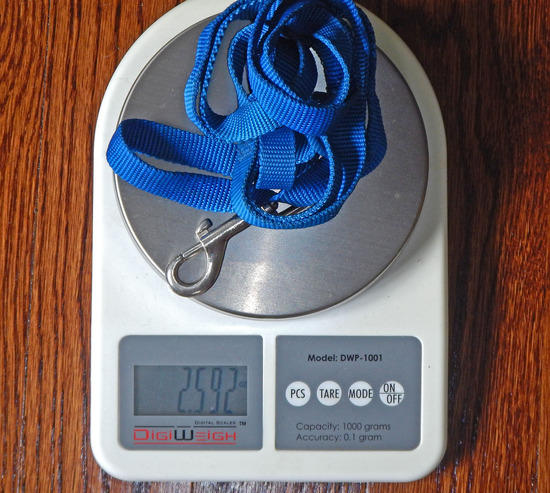
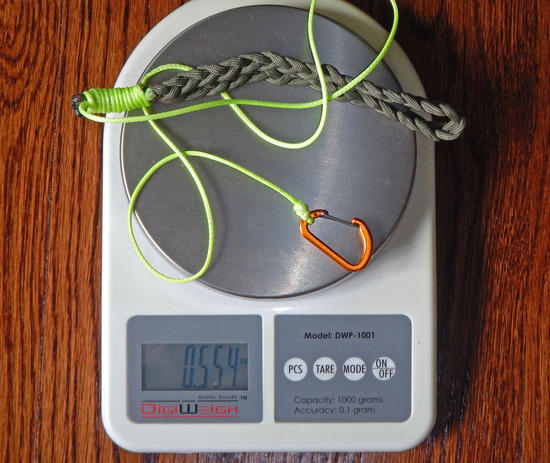
Dog Leashes, Standard 6-ft and UL
.
.

All I can say is keep working at it.
BPL has been huge for me. My pack weight used to be about 50 lbs for an overnighter. Part of that was that gear was heavier back then. I split a 5 lb tent with my partner. We used an MSR Whisperlite stove. Big pot. Stuff like that. And part was that I packed my fears.
I'm not UL, but my solo overnighter weight with a bear can, with all consumables, is now at 25 lbs. So, big improvement. And I haven't given up comfort or safety to do that, I just had to get educated and in some cases buy some more modern gear. I still have some wish list items that I'd like to get that can drop my weight even further…all it takes is money. :)
Become a member to post in the forums.
 How to Plan with Decision GatesKeep going, change your route, or turn back? Watch how decision gates help structure these choices in our YouTube video.
 © Beartooth Media Group Inc.
 Loading...