Hi Alex,
"One of the reasons I think you are having difficulties getting the information you want from this group – and the need for a purifier is the perfect example – is that this is a VERY specific, VERY specialized group of hikers who spend time in the US wilderness. This is NOT a forum for world travelers. Honest. That is a totally different kind of trip than those we take here."
There are many people here who've traveled the world and have seen much more than I ever have so I hope the following comments and observations don't come across as condescending to anyone but +1 to what Jennifer said.
I've been on both sides of it. I've had to drink some pretty nasty waters that do indeed have virus, bacteria, and protozoa where I ended up violently sick for a month and other trips where I didn't get hit with anything at all. Some of this has to do with skill but more of it has to do with luck.
As Jennifer mentioned, as hikers here in the U.S., we're primarily focused on protozoa and bacteria. We really don't have to worry about virus too much. When traveling through developing nations where the sewage is often times dumped into the water without being processed, yeah, viral hepatitis is a real risk.
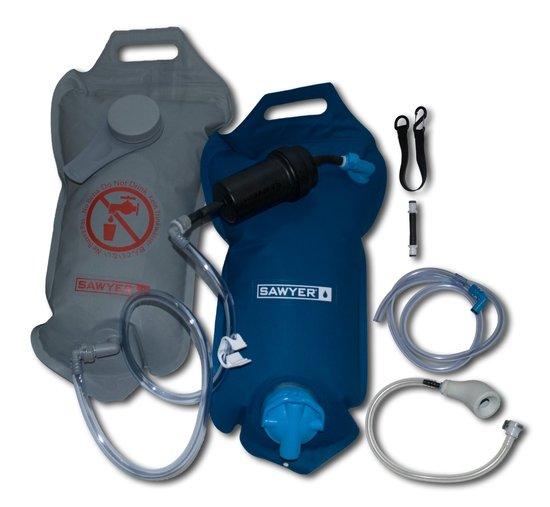
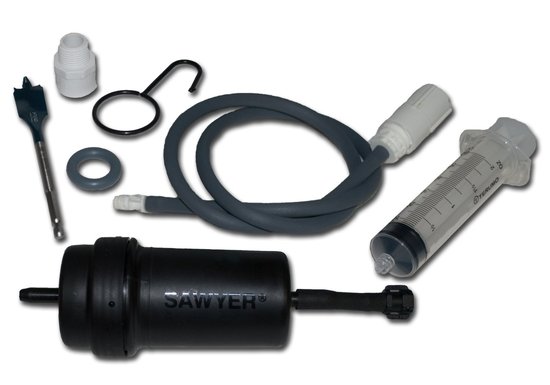
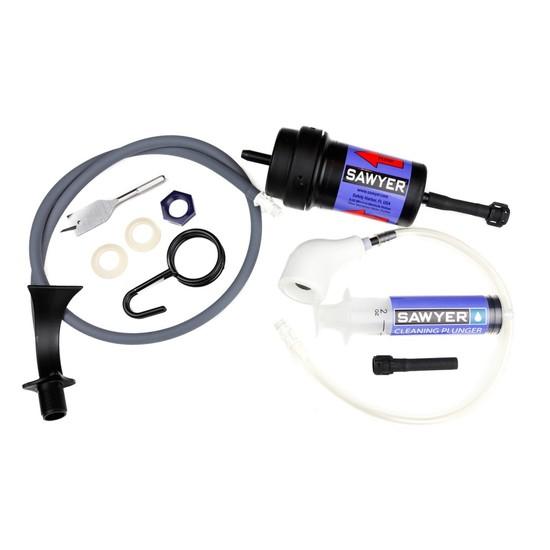
I'm sure someone here has used the Sawyer filter you are looking at and hasn't spoken up but for the majority of us, we are more familiar with the Sawyer Squeeze and the Sawyer Mini. Both of them are lighter and filter out the protozoa we are mostly concerned about here in the U.S.
When I travel through Latin America and Asia, my water treatment plan is very different that what it is here. If I was in your shoes, here's how I'd do it.
While it will work, skip the Sawyer .02. It's large, expensive, and my bet is that it's slow to filter. Buy a Sawyer Squeeze for a fraction of the cost. Filtering out the protozoa and bacteria will take care of the very large majority of what you'll encounter. You'll need to follow that up with a chemical (chlorine dioxide) or UV treatment.
This is an example of my routine when I was in India:
1 At night, filter and chemically treat three liters of water. Allow to sit overnight to ensure a minimum of four hours of treatment.
2 In the morning, brush teeth with and drink one liter of water.
3 During the day, every time I drink one liter of water, I filter and treat another liter, this included bottled water purchased off the street.Make a mental note of when that water was treated and don't drink it before four hours. Make sure you treat the threads of the bottle. It's important to note that people here at BPL will drink chemically treated water a half hour after treatment. You are not in the Sierras (grammar nazis can suck it) so this doesn't apply to you.
4 Repeat at night.
Several other notes:
I normally only carry one liter of water when backpacking but in developing countries, I carry two.
It's common for people to sell bottled water which is contaminated. The water I got sick from in Cambodia looked like the water I could buy from my hotel. Don't trust any water you didn't treat.
At restaurants, drink wine, beer, or soda. Skip the ice.
Despite your best efforts, sooner or later you will get sick. Keep some peptobismol pills with you and have a physician write you a script for ciproflaxin or whatever antibiotic they think is appropriate for the area. This can mean the difference between a day of slight discomfort or a week of misery in the fetal position. In an extreme case, some of these bugs can last over a month which was the case for me in Pakistan.
Carry a package of baby wipes. Once you get hit, adding a case of monkey butt will do nothing to improve your situation.
Always carry hand sanitizer and soap. If you weren't a germaphobe before, you are now.
Don't eat raw vegetables unless you cleaned them yourself. A salad is what hospitalized me in Panama.
Another note not dealing with food/waterborne illness:
Tuberculosis is alive and well. At the end of your adventure, don't bother with a PPD test, pay extra to have a QuantiFERON blood test taken.
So again, if it was me
Sawyer Squeeze, Chlorine Dioxide Drops, Capacity to carry at least three liters, preferably four liters, routinely flush your filter out with treated water. Don't trust any water you didn't drink. If you do this and make sure you don't cross contaminate, when you get sick, it won't be from your water.
Good luck and have fun.