


Delmar,
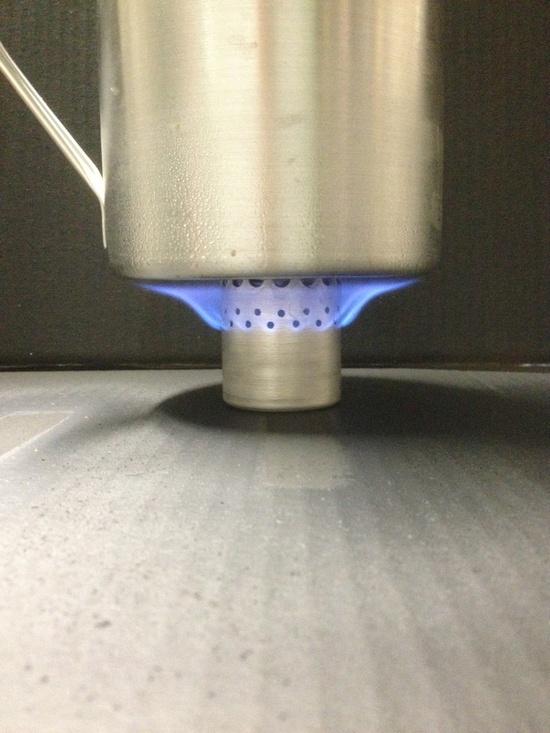
I think a stove for a narrow pot can work well for a wider pot too. The stove in these pictures is only 1.5" diameter, but it works well with both a Foster's Can and a Grease Pot.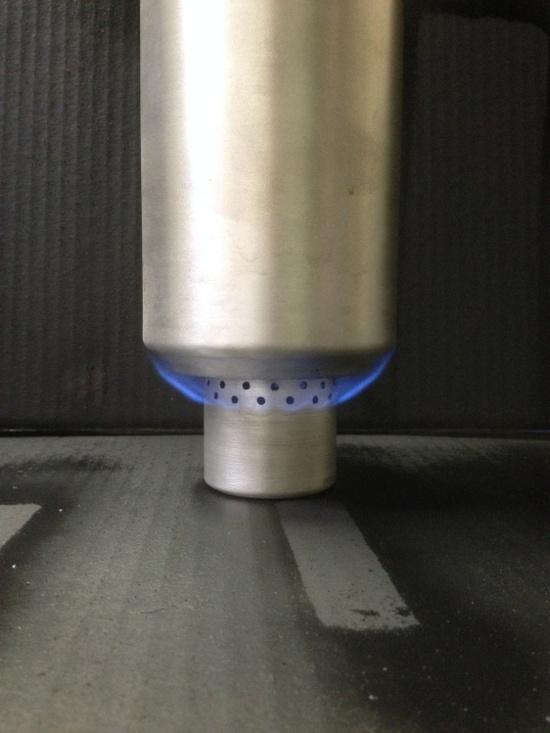
Topic
Become a member to post in the forums.
Delmar,
I think a stove for a narrow pot can work well for a wider pot too. The stove in these pictures is only 1.5" diameter, but it works well with both a Foster's Can and a Grease Pot.

"The stove in these pictures is only 1.5" diameter, but it works well with both a Foster's Can and a Grease Pot."
Show me a picture of that setup sitting on any rock of your choice…
Most of the world out here is Not flat.
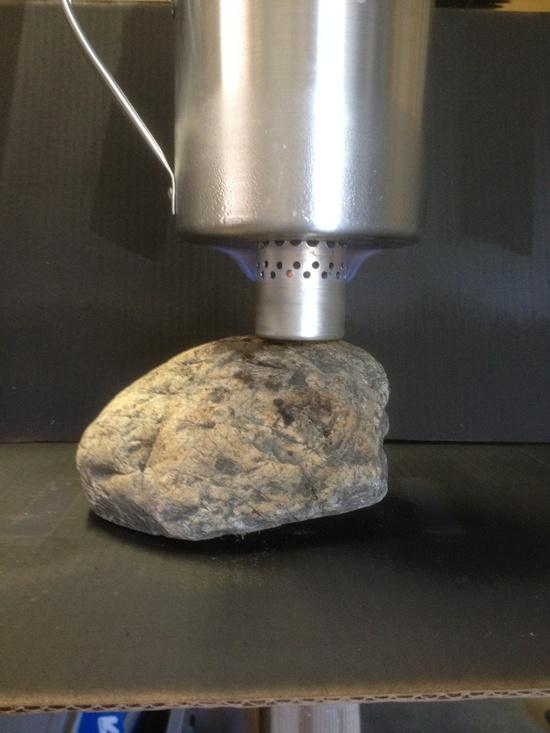
You are braver than I ….
His hand is out of the picture holding the pot handle ;)
Actually it was hands-free. Carefully balanced for sure, but no hands.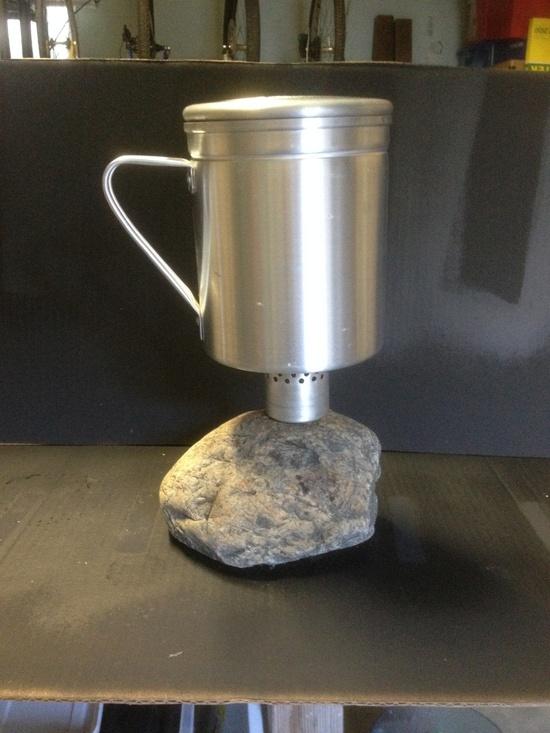

So I now prefer to use one of Dan's Starlyte stoves with a tightly fitting lid as a "fuel saver", but prior to my absorbent wick-atized conversion I always recovered my fuel with a Packafeather fuel bottle spout lid.
Squirts where you want, and with a squeeze will recover from the smallest crevasse. No real added weight considering my fuel bottle needed a lid either way.
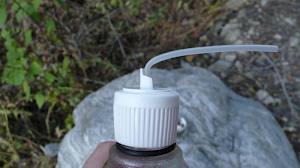
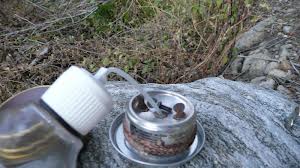
(Images borrowed from Hikin' Jim)
nothing extra needed, exceedingly simple.
But a regular Nalgene with flip top works fine too.
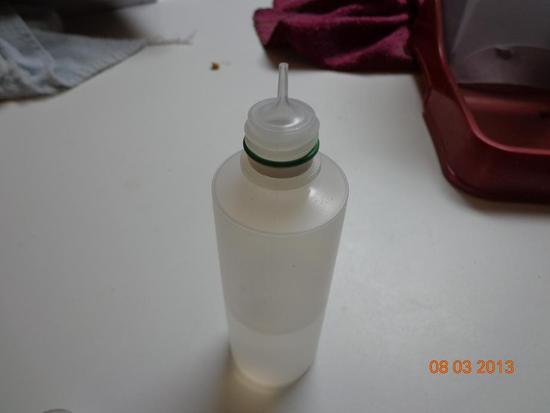

Ha, ha, ha : )
Well played David
Interesting how we “make” our stoves work. Only after we have made our purchase do we find out the “little” things that might be challenging. Stoves that need more fuel to insure you get a boil, the need to have a means of reclaiming, bottles that need large “o” rings to prevent leaks, priming trays or wick to make your stove ignite, something to prevent your liquid esbit fuel from going over the edge of your burner, fuel left in the remote fuel line leaks in your pot when least expecting, stove is hard to light in cold weather etc, stove “burps” when you try reducing the flame with the remote simmer feature. That’s just a few of the things that we hear people talk about. Can I forewarn people….no because I manufacture stoves, not allowed to tell folks of my experiences except on my website. Moderators will delete comments and threaten with “banning” if comments are made. So, everyone has to learn by ” hands on experience” that is why some folks out there have so many stoves, they are looking for the best user friendly stove.
After the stove is finally figured out then comes the challenge of making our windscreen preserve/capture the heat that our stoves put out ;) Life is good!
When I started making stoves available to the backpacking world I had to include a windscreen just like the other guys were doing. I put 3 times as many holes in the screen to insure enough air was entering at the base of the stove. After a space in time I found out that more holes needed to be made but in order to do that the price of the screen had to increase. If I increased the price I would not be able to sell them. :-)))))LOL
After some trial and error you’ll be able to eventually find the right combination.
Hike on my friends, stay warm, keep a smile on your face and have fun!!!!

"After some trial and error you'll be able to eventually find the right combination."
Hi Dan.
Since I purchased one of your Simmerlytes, I'm going to try and piggy back on your trial and error, and save myself some. ;o) What is the optimal distance between a Simmerlyte and the pot bottom? I'm guessing it will be less than a regular Starlyte, but I just want to be sure.
Thanks,
Tom
Hi Tom, from the top of the Simmerlyte to the bottom of the pot will be 1"
When using the 8 gram Esbitlyte the dimensions will be the same:
"from the top of the Simmerlyte to the bottom of the pot will be 1"
Thanks, Dan!
Become a member to post in the forums.
 How to Plan with Decision GatesKeep going, change your route, or turn back? Watch how decision gates help structure these choices in our YouTube video.
 © Beartooth Media Group Inc.
 Loading...