Hope someone posts a great solution. Think the winner will be someone with minimal collection of gear serving the greatest variety of circumstances.
That would be the ultimate solution — simplicity.
The biggest items (i.e., greatest volume when stored) present (quite naturally) a huge storage issue == especially if there's a concern about moisture.
That means sleeping bags/quilts and insulated jackets/parkas/vests/pants get stored in big cotton sacks stacked in a basement room.
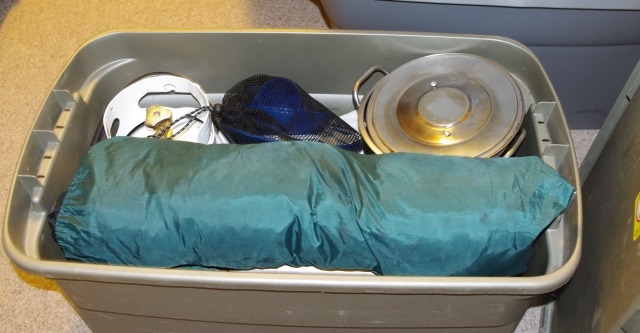
Rest of backpacking gear splits up by category into rubbermaid boxes w/lids (or into baskets and drawer units for smaller items) stored on basement shelves (packs, tents, bivies, tarps, groundcloths, stuff sacks, pots, cups, utensils, stoves, lights, tarp/tent poles, stakes, guylines, first aid kits, hydration gear, etc).
Sleeping pads get stored in large duffels or on top of basement shelf units.
Long items (hiking poles, ice axes, skis and ski poles) fit into corners.
Non-insulated clothing items (jackets, wind shirts, pants, shirts) either get hung on clothes rack or (especially the wool items) folded into rubbermaid boxes placed on shelves.
Bulky non-backpacking gear (canoe, kayaks, paddles, life jackets, fishing gear, car-camping stuff (cots, shelters, kitchen/tables) goes into garage (not heated, but rarely below freezing).
Definitely do not look forward to ever taking a long-distance road trip that would include canoing, kayaking, skiing, car-camping, fishing, and backpacking!