Topic

Tarp Tie Out Logic Check

  • This topic is empty.
Viewing 25 posts - 51 through 75 (of 76 total)
PostedDec 30, 2011 at 9:24 pm

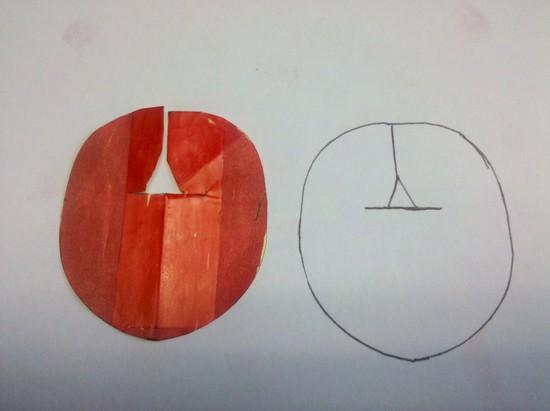
Wow, illustrating this in two dimensions is way harder than making it.

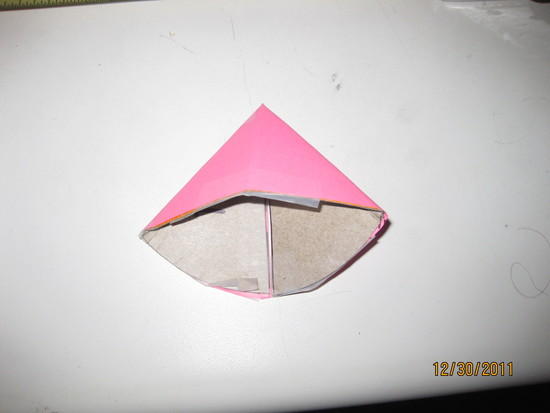
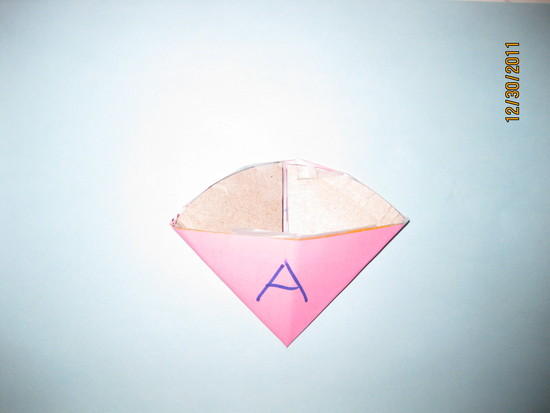
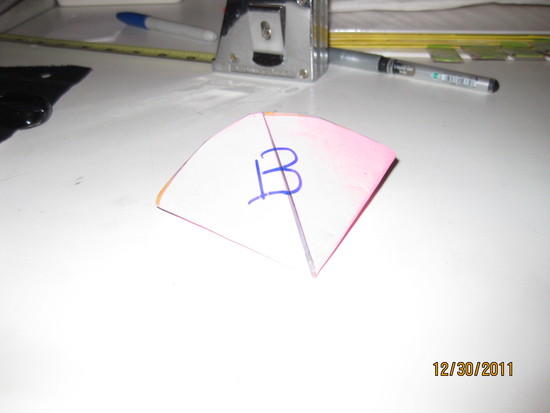
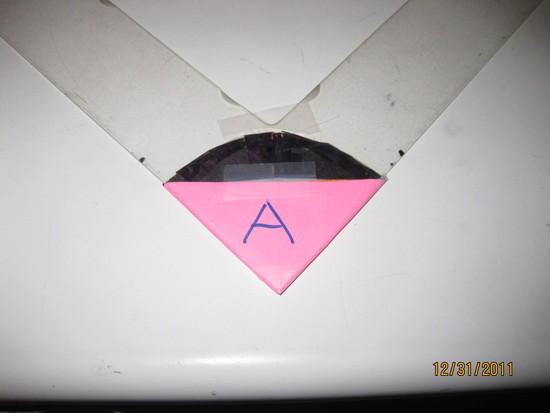
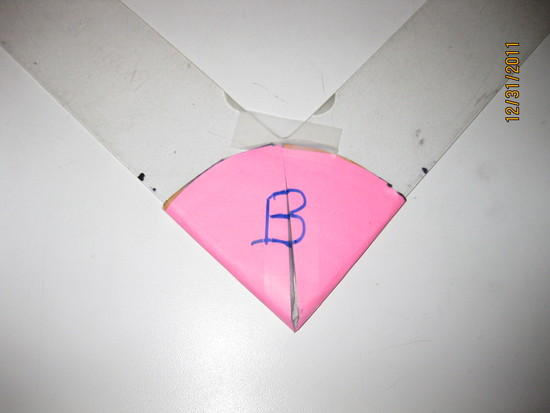
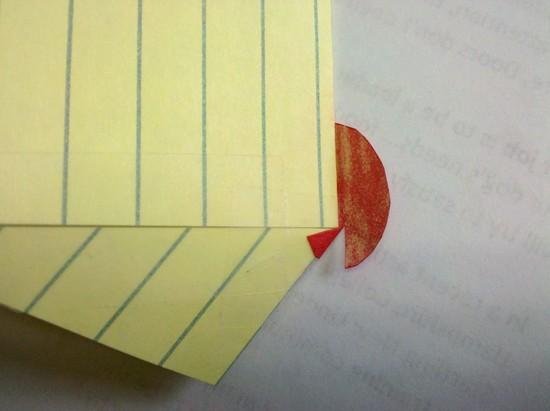
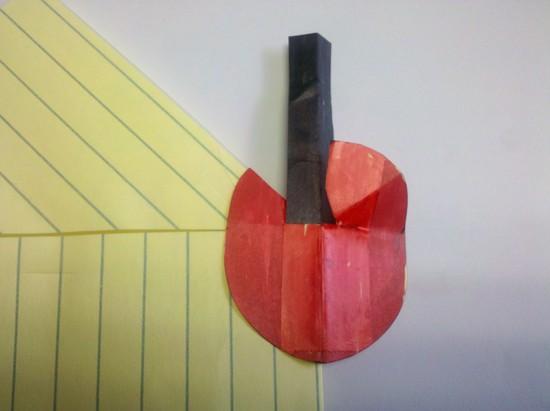
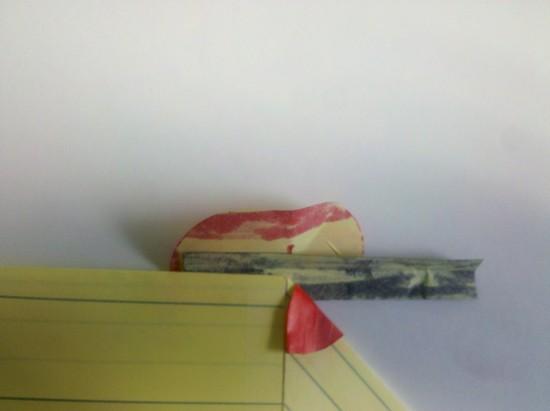
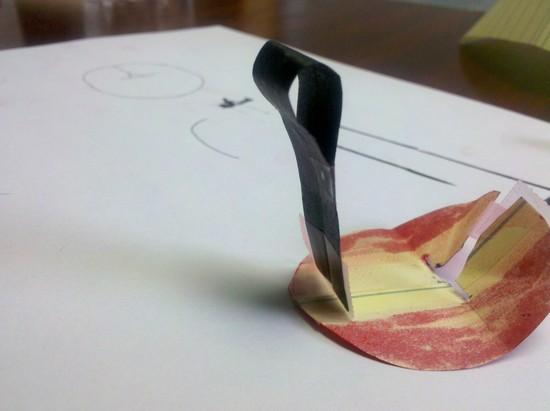
When the 2" X 6" piece of strapping tape is folded/wrapped around a 90 dgree corner it forms a cone. I've folded the cardboard pattern and made one side of it pink to illustrate in these photos:

here

save

save

Do these photos help?

I've also edited the original post to see if it is easier to understand.

PostedDec 31, 2011 at 3:04 am

I read a lot of threads here one BPL before and during the design of the tarp. Hoverer I don’t know how many of the contributors actually have experience in real material engineering – on the other hand, they might have practical experience. And to be fair, I think this is mostly theory, as I have yet to hear of very many actual tarp failures.
One thread I found while researching is this one
Skip down to Lance Marshall’s post Re: “Still, the math is interesting” on 10/18/2009 21:55:47 MDT

On the materials. Cuben fiber is close to a stable fabric, naturally it too has some elongation or creep if put under constant pressure, but I think it will hold up well in a shelter situation, in comparison to the first intended use, yacht sails. Silnylon on the other hand have more stretch so one needs to do separate calculations for either fabric.
I talked about the subject with my math doctor last year while still in school. We planned on visiting the architect teacher who had the appropriate software. Sadly we ended up not doing it as I don’t have the material specs nor an exact model of the tarp. With that in mind, we concluded that the most important part for a “catenary cut tarp” is the smooth curve of the ridgeline and edges. The calculations would be done under controlled circumstances while the tarp would be set up on uneven ground, attached to trees and subjected to uniform winds, also providing I could produce an exact replica of the model tarp. Therefore I think trial and error, i.e. manufacturing experience, is a more suitable approach. Non the less, I am sad I didn’t put the hours into it, as I’ve now finished the polytechnic university and would have loved the whole experiment – after all, I am an engineer and thus gear and experiment freak..

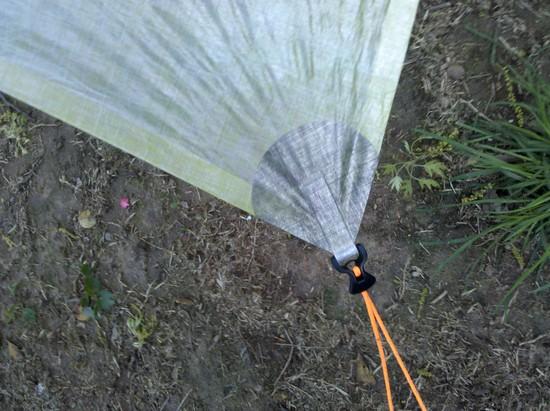
That kind of took up the subject of patch design. But if one would make a force model of a tarp in action I’d estimate that for a well built caternary tarp, the forces spread along the edges. For a flat tarp it would depend more on the pitch, the reason for the usually sloppier look. Basically it comes down to Newton I, where the force vector goes along the taut tieout line to the ground and secondly into the tarp. There’s just too many factors in a real world situation. Hence, uniform 1/4, half circles.

PostedDec 31, 2011 at 8:40 am

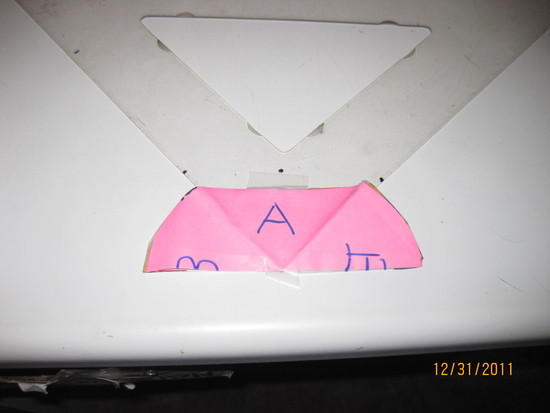
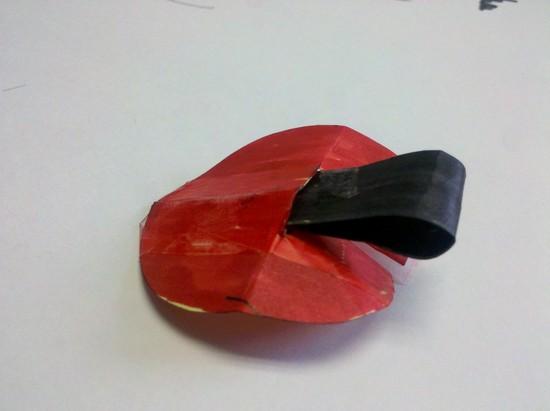
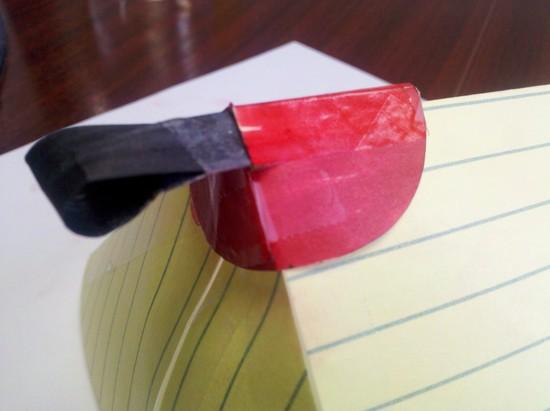
Here are a few more photos to help you visualize this latest reinforcement patch. I wrapped the carboard pattern (pink outside and black inside) around a transparent 90 degree corner.

here

here

here

PostedDec 31, 2011 at 8:42 am

Daniel,

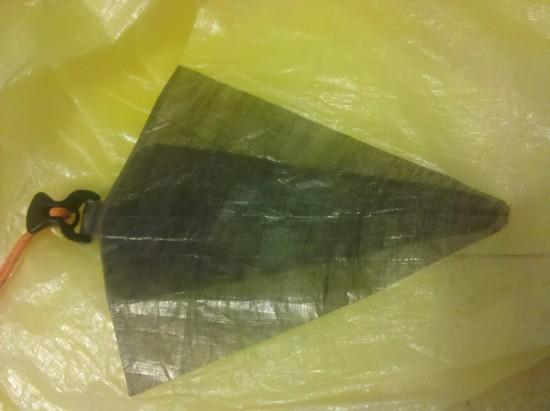
My latest reinforcement patch would be like having your rounded edge patch on one side and then a smaller straight edge patch on the other side.

Daryl

PostedMay 9, 2012 at 8:49 am

Has anyone considered using double folded 1.5oz cuben fiber for the tieout loops instead of grosgrain? Thanks

Karple T BPL Member
PostedMay 9, 2012 at 9:15 am

It works great.

I sandwiched the tarp between the tie out ends and put patches on front and back over the tie out.

It was strong enough in testing that I have not sewn bar tacks.

tarp tieout

Steve B BPL Member
PostedMay 9, 2012 at 8:55 pm

So how would you do that same kind of reinforcement with tape only (no sewing) for the ridgeline of tarp with beaks? It would be harder to sandwich the tarp, unless the beak wraps around underneith the tape.

I've been thinking of this for weeks and haven't come up with anything great.

Steve

Karple T BPL Member
PostedMay 10, 2012 at 8:14 am

I am not sure I understand your question.

I am using tape for everything now. I find it easier and faster with plenty of bond strength for my needs.

For patches I just lay out the tape in strips across the patch and cover the whole area.

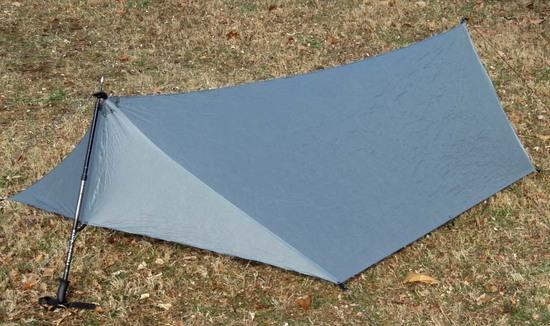
If you are adding patches at the top of the ridge line to hold the top of the trekking pole on a beaked tarp here is an idea : )

You could do this on the inside and outside.

I find a football shape wraps around the beak edges and therefore no split over the beak ridge.

beak4

patch5patch6

Tyler H BPL Member
PostedMay 10, 2012 at 11:00 am

Craig-

Your design is awesome. Thanks for such a clean description of exactly what you're doing on your tarps. I wish I'd have seen this before I started my tarp! I used Hysol and triangular patches, was not easy or elegant.

Thanks

PostedMay 10, 2012 at 12:03 pm

Craig,

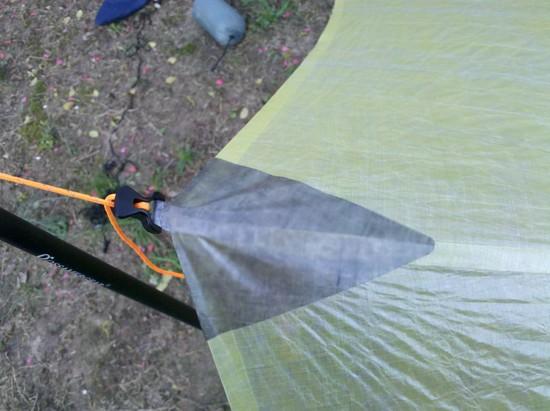
What type of tape did you use for the rounded reinforcement piece (with cord lock attached) in the photo above?

Daryl

Steve B BPL Member
PostedMay 10, 2012 at 12:46 pm

Craig,
My problem is getting the tie-out strip of cuben taped to both sides of the tarp at the apex of the tarp. Toward the front the beak is in the way. I would prefer not to rely on the taped tie-out being only attached to the tarp on one side of the tarp. Maybe this isn't a big deal, as the direction of pull will always be good for it (down toward the front) as long as it is staked out (and not tied to a tree).

See the guy lines on the front of a Patrol Shelter from MLD. I believe Ron sews all his webbing for tie outs, so the thread attaches the webbing to the both sides of the tarp.

With some effort I could make a paper model like you did to illustrate the issue.

Thanks
Steve

Karple T BPL Member
PostedMay 10, 2012 at 12:51 pm

I am using the tape from zpacks along with a primer that you spread on all surfaces that will touch the tape.

The primer makes a big difference in the bond strength as it etches the surface and makes it tacky so the tapes sticks better.

I have also used sand paper to ruff the surface of the cuben for better adhesion on things like stuff sacks where I am not too concerned with sheer strength.

One trick is to trim the tape as close to the edge of the patch as you can and them rub off the glue from the excess backing so it does not end up on your tarp.

Any tape glue the does stick out can just be rubbed off though.

Primer for Ridgeline and edges. $10.00 for 5 tubes.
http://www.ebay.com/itm/5-3M-Primer-94-Adhesive-Promoter-Tape-For-3M-DI-NOC-Pen-02oz-66ml-Tube-/110789655658?pt=LH_DefaultDomain_0&hash=item19cb93fc6a

One roll of Cuban Tape (double sided) $30.00
http://zpacks.com/materials.shtml

Here is a ridgline taped patch:
tieout ridge

Karple T BPL Member
PostedMay 10, 2012 at 12:58 pm

Are you looking for a tie out like this on both ends?

patrol

Karple T BPL Member
PostedMay 10, 2012 at 2:03 pm

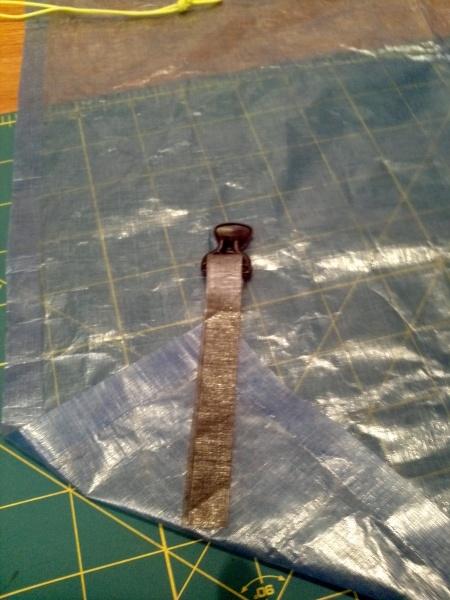
I think if you made it like this it would be plenty strong and you could add patches on the inside and put a couple of bar-tacks in it.

Every surface is taped in the stack.

loop1

loop2

loop3

loop4

loop15

loop16

Steve B BPL Member
PostedMay 10, 2012 at 2:34 pm

Ok, that helps. Put the tie-out underneath the reinforcement patch. So the tie-out is attached (to something) on both sides of itself.

I ordered the primer and will give it a try. Instead of using linelocks, I've been playing with the nylon washer method (thread here on using polycro for a tarp had the method with Gorilla tape, but I will use myo cuben tape), but I will probably make my own nylon piece to tape into the reinforcement (imagine a flat piece of nylon shaped like the fabric edge with a hole in it). I certainly will take pictures of it, and will test it before hand on some scraps.

I find the tape from z-packs has lots of tack, so much that it is somewhat harder to work with than what I'm used to. I've used PC9460 tape (much less tack) for a long time making kites (imagine panel overlaps of 2mm in a small kite) with great success. I've made some stuff sacks using the 9460, but that really isn't much of a test.

Steve

PostedMay 14, 2012 at 11:25 pm

Thank you much, Craig.
Just one qn: Does your response to Lesha Y's question mean that you are using 1.5 oz folded cuben to make the tape for the tie out loop? Just want to be sure.
Thanks.

Karple T BPL Member
PostedMay 15, 2012 at 5:02 am

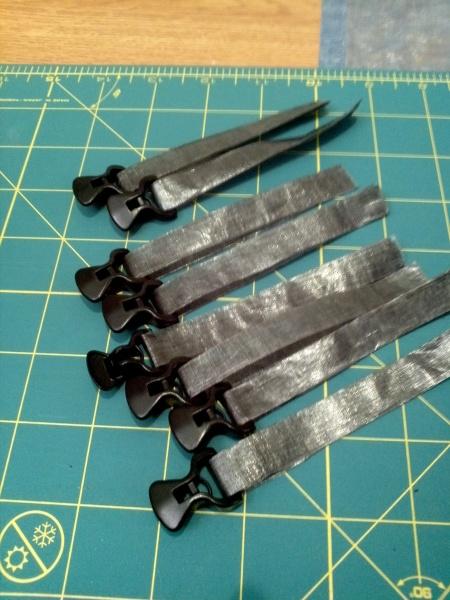
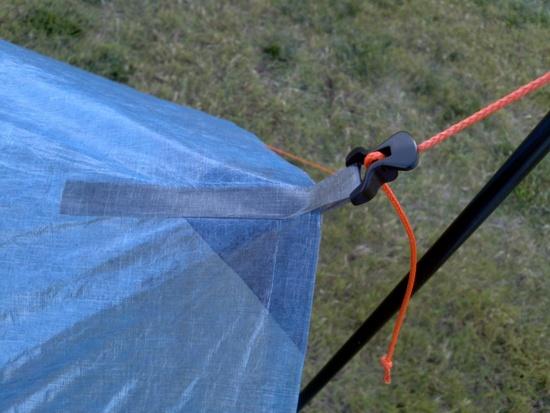
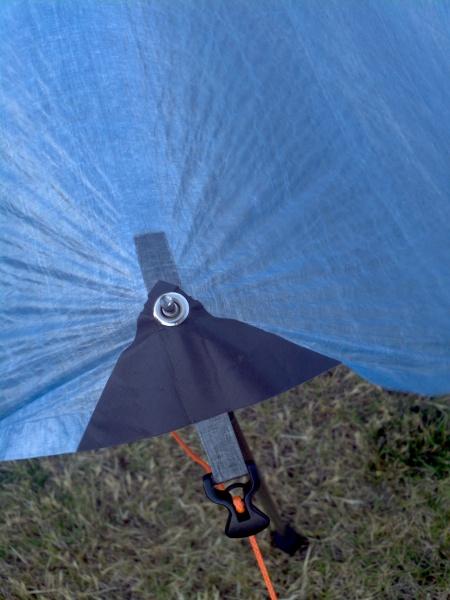
I used the 1.5, ran tape along the edge and folded over and trimmed for a 1" width then removed backing and taped down for the 1/2" tie out. Tie outs are 4" long.

Then ran tape along it and pulled it through the linelock and applied to both sides of corner/tarp and put patches over on both sides.

I have no concern about the tie outs failing.

tie6

Liang Kong BPL Member
PostedMay 22, 2012 at 3:05 pm

Here is how I did it:
Making a tarp with .51 blue cuben
Folding .7 cuben to make 1/2 inch strips
tie outs
Taping them on both sides of the tarp
Taped on
Reinforced with 2.92 nylon/cuben on one side.
Then encounter this problem:
peeling
Solutions:
1 Reinforcing on both sides
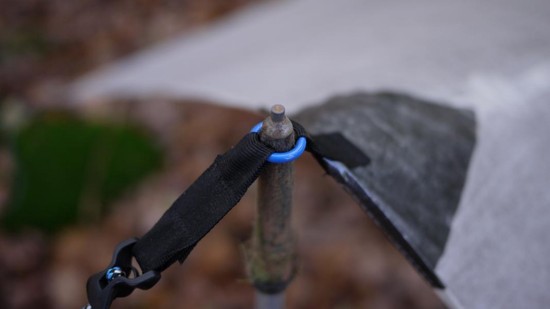
2 Making eyelet for trekking poles
Final

Karple T BPL Member
PostedMay 24, 2012 at 7:03 am

Nice job Liang. I like the blue cuben.

I thought about using a grommet but I don’t want my GG LT4 handles in the mud : )

I found a way to set up that was easy as is.
One note on taping the tie outs and running them through the line-locks.

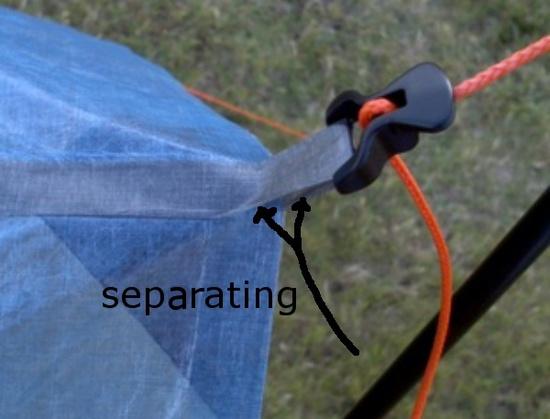
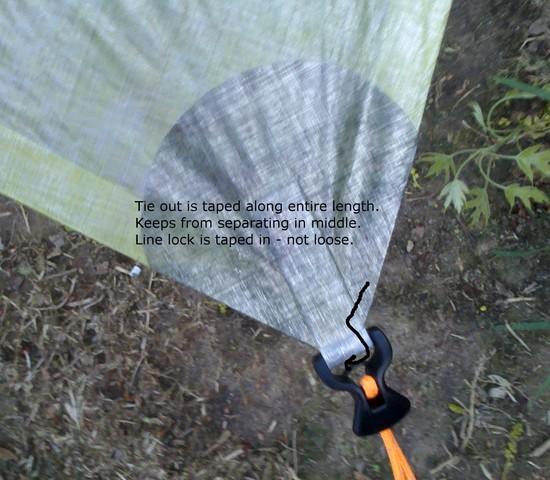
In your photo you can see the tie-out spreading apart in the center due to the load pulling it apart from the top side that has no reinforcing patch.

If the tie-out was taped in that center area and the Line-lock was taped in to keep it from moving along with a patch on top you would not have that separation.

I think taping in the line-lock is a key to that not happening at the ridge. It is not an issue at the other tie-outs that just pull strait out and not up and out.

You can always bar tack it in if it starts becoming an issue

to1

t2

Brendan S BPL Member
PostedMay 24, 2012 at 7:19 am

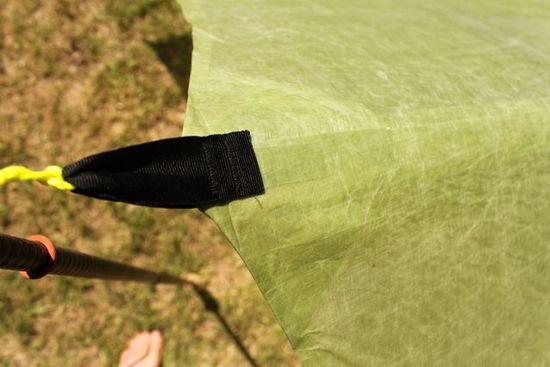
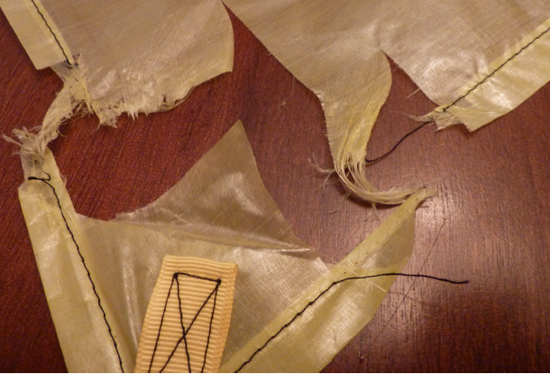
I made a tarp last spring and did cuben tieouts like shown and started to have the separating issue shown above. The real problem came when I was setting up the tarp last summer in Utah and a gust of wind came up and the tieout ripped clean off the tarp. They were 8 layers thick and both sides ripped, so 16 layers (plus Hysol) of .75 oz cuben. Looked like it'd been cut off with scissors. Anyway, I ended up cutting off the rest and just using grosgrain. The remaining part of the cuben tieouts acted as even more layers to sew into.cds

Karple T BPL Member
PostedMay 24, 2012 at 12:24 pm

Hey Brendan – that is what I want to happen in a gust.

I want to lose the tie out rather than have this –

t4

Liang – Here is what HMG does on their Echo 1

t6

Liang Kong BPL Member
PostedMay 28, 2012 at 10:50 am

Hey Craig
I think HMG did a good work solving this problem.
I will see what I can find locally.

Viewing 25 posts - 51 through 75 (of 76 total)
Loading...