Ha ha, as always, this has turned into a free for all.
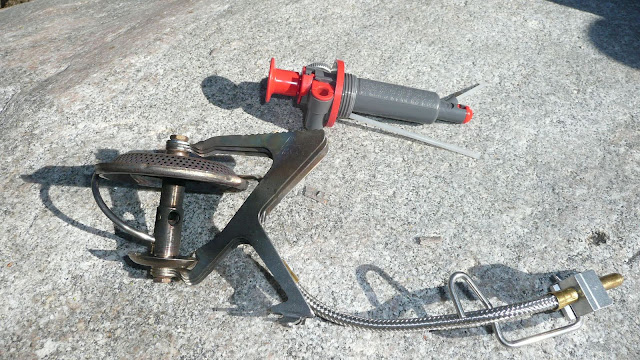
Fuel Density: Basically there is no difference between Kero, WG and Gas fuels. So close they can be ignored. Only priming has to be accounted for. Alcohol has about half the heat density as Kero.
Failure rates: Pump vs Lindal Valve. These are roughly the same. Only the older SVEA and a few others in the Optimus line do away with them (mostly all obsolete.) The Alcohol stoves are the most reliable.
Technique: The much dreaded fireball can be avoided. Learn how. Gas is subject to these, also. As is Alcohol. All are dangerous fuels with kero the safest.
Cost of operation: Kero vs WG vs Gas vs Alcohol. Kero is cheapest. WG is next. Alcohol is next most expensive. Gas is most expensive. (No, I don't drive my stove to the trail.)
Cost to buy: Kero vs WG vs Gas vs Alcohol. Kero stoves are generally the most expensive, followed by WG, Gas. Alcohol stoves are about the cheapest, often home built out of scrap cans.
Weight: Kero is the heaviest stove. WG is the next. Gas is next. Alcohol is lightest.
Ease of use: Kero vs WG vs Gas vs Alcohol. Gas is the easiest to use. Alcohol is the next easiest. WG is a bit more difficult. Kero is a hard starter.
Cold weather operation: WG is the best, followed by Kero. Gas and Alcohol are not real great with the screw on Gas versions fairly poor.
These are generalizations only.
In northern US states, The majority of us use WG, minimally for winter. Unless we are testing equipment or other non-routine hiking, at -30F to 110F, these stoves work. This is not an accident.
I would suggest at least two stoves, though, probably three.
First, have an alky burner for shorter weekend jaunts…lighter and cheap for shorter hikes.
Second, a WG stove for all season use and for longer trips.
Or
First, an alky burner for short hikes.
Second, a larger multi fuel stove for travel, base camping.
Third, a WG stove for all season use and for longer trips.