a few choice excerpts … gear as substitute for our abilities???? … NEVER !!!!
http://www.guardian.co.uk/artanddesign/2010/nov/25/outdoor-gear-bad-science-ugly
Adventure gear deploys the classic trick that marketing plays on the consumer, that sense that only certain equipment will do. We buy into it so readily that we convince ourselves we need things that we don't – especially men, who are natural gear que-rs. Is the equipment a substitute for our physical abilities? Here I am with a mountain to climb. I'm togged up in technical gear. I haven't done any exercise in two years but – technically – I'm ready.
……………….
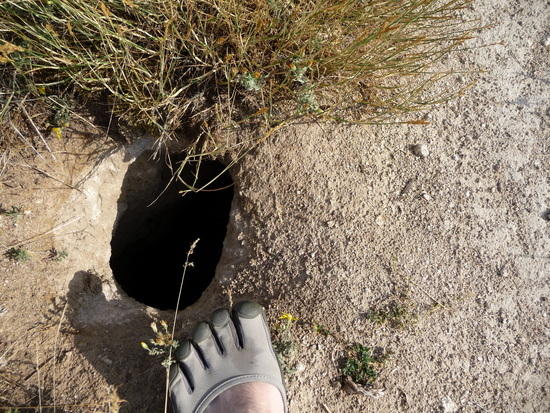
Of course, the excessive detailing on that shoe, indeed on much adventure clothing, is a form of decoration. Those ribs, stripes and seams are meant to connote performance. They aim to awaken in the potential buyer a sense of his latent potential. And that psychological effect should not be underestimated. You want to buy something that makes you feel like you can take on the wilderness, that you are protected and empowered.
……………..
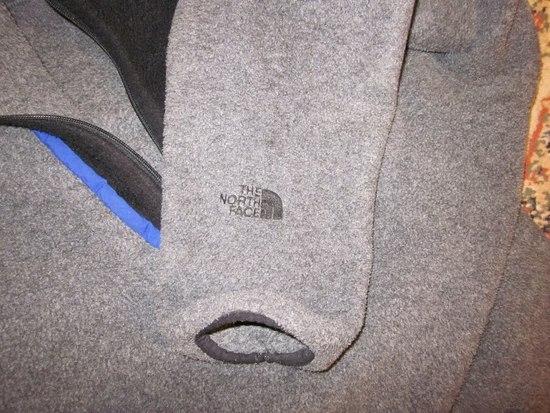
Part of the problem is the heavy branding – we look owned. The adventure clothing industry is years behind the fashion world, which has long since recognised the seductive appeal of non-conspicuous branding, subtle details such as the four stitches that signify a Martin Margiela jumper. By contrast, adventure clothing brands have information that they are desperate to convey. A good deal of clever design has gone into these clothes. The evidence of it is daubed on sleeves, lapels, trouser legs and shoes: Polartec, Titanium, Paclite, Pro Shell, Soft Shell, Triclimate, Windwall, eVent, Power Stretch and – my favourite – HemLock. Each of these is a registered trademark, each one a patented material or system. Technical clothing comes with its own language, the language of performance. The marketing strategy revolves around presenting clothes as engineering. Sometimes, though, I suspect that we are being blinded with pseudo-science.