

Dispatches
- GEAR • Gear Reviews
- GEAR • Market Reports
- GEAR • Gear Guides
- GEAR • Gear Checklists
- GEAR • Make Your Own Gear
- GEAR • Gear Testing & Research
- SKILLS • Tips, Tricks, and Hacks
- SKILLS • Wilderness Skills
- SKILLS • Training
- SKILLS • Trip Planning
- SKILLS • Food Preparation
- PLACES • Trips
- PLACES • Routes
- CULTURE • Essays
- CULTURE • Stories
- CULTURE • Issues
- CULTURE • People
- CULTURE • News
- CULTURE • Media Reviews
- ARCHIVES (Before 30.Nov.2015)
- SEARCH LIBRARY
- TRAILHEADS
Reflections from (a) Windy Pass
This trail journal reflects on a fall trip into a Montana Wilderness Study Area, weaving together landscape, wildlife, camaraderie, and questions of wilderness protection. Revisiting these notes years later highlights the value of documenting quiet moments in wild places—not for acclaim, but for memory, reflection, and the long-term joy they bring.
I Introduce Backpack Engineering for DIY/MYOG Based on my Professional Expertise!
This article introduces Backpack Researcher, a DIY/MYOG-focused YouTube channel dedicated to backpack engineering. Drawing from academic research, a doctoral thesis, and industry R&D experience, the channel shares evidence-based design principles and practical making tips. It invites MYOGers to ask questions, exchange ideas, and help identify real-world design challenges.
MYOG – More than just a Means to an End
Sticker shock pushed me toward making my own ultralight gear. With basic sewing skills and plenty of trial and error, I built a custom kit that fits my needs exactly. From sorting goose down to sewing shelters and packs, this journey shares hard-earned lessons, imperfect successes, and the deeper connection that comes from using gear you’ve made yourself.
Building a Dehydrated and Freeze-Dried Pantry to make Simple and Tasty On-Trail Dinners and Meals
Tired of pricey freeze-dried meals and long rehydration times, I turned to making my own backcountry dinners. Drawing inspiration from Backcountry Foodie and Backpacking Light, I now build simple, flavorful meals with dehydrated pasta and quality ingredients that rehydrate faster and taste better. This article shares my approach, lessons learned, and encouragement to take the first step toward DIY trail food.
Backpacking Organization
Staying organized keeps my backpacking system efficient and stress-free. This article details how I use Hyperlite Mountain Gear pods to give every item a place, from food and sleep systems to first aid and clothing. I break down my exact pod layout, showing how an organized pack saves time, prevents forgotten gear, and makes life in camp smoother.
The Guilt of Bringing Luxury Items While Trying To Lower Base Weight
Photography drew me into backpacking, but a 40-pound pack nearly ended it. This article traces my journey from budget gear and heavy DSLR kits to lighter, more comfortable setups that make the backcountry enjoyable again. By investing thoughtfully in weight savings, I found a balance that supports both hiking and creative goals—proving backpacking doesn’t have to be miserable to be meaningful.
Benefits of Stretching our Limits
Backpacking began for me as a Boy Scout parent and evolved into a lifetime of adventure by gradually stretching limits. From short trips to the John Muir Trail, cowboy camping, quilts, off-trail travel, packrafting, and extreme environments, each step beyond comfort unlocked new skills, confidence, and unforgettable family journeys across wilderness worldwide.
Hike Pie Toy
This essay reflects on a lifelong tradition of adventure travel and passing a love of the Sierra Nevada to my children. From Yosemite trips to the playful “Hike Pie Toy” tradition, it explores parenting, persistence, and creativity in getting kids outdoors—and how shared wilderness experiences strengthened family bonds, even through cancer and life’s challenges.
Factors that Influence the Ability to Carry Weight in a Backpack
How much weight should you really carry? This article examines backpack load through conditioning, distance, elevation gain, and terrain—not just gear weight. Drawing on decades of experience and classic backpacking wisdom, it argues that comfort, fitness, and trip context matter more than obsessively cutting ounces, and that there’s no single “perfect” pack weight.
Camping Away From Everything Else
Camping in remote places offers powerful contrast and restoration. For a driven, introverted personality, quiet and stillness provide relief from noise, obligation, and overstimulation. This essay reflects on the discomfort and eventual reward of unplugging, embracing silence, and finding healing in places far from people, machines, and constant demands.
Leave No Trace
With more people heading outdoors, caring for wild places matters more than ever. This article revisits the seven Leave No Trace principles, encouraging recreationists to plan ahead, minimize impact, respect wildlife, and be considerate of others. A simple refresher can help ensure increased visitation leads to healthier, cleaner, and more enjoyable outdoor spaces for everyone.
Geologic Time is Now
A conversation about a landslide opens into a reflection on geologic time, memory, and the stories landscapes hold. This essay contrasts Indigenous place knowledge with modern naming practices, suggesting that ignoring the language of land—its movements, warnings, and history—leaves us vulnerable to repeating avoidable mistakes.
A Different Type of Shelter Skill
When winter arrives, my favorite backcountry shelters aren’t tents or tarps but USFS rental cabins and lookouts. Found across Montana and the West, these affordable cabins offer bunks, stoves, and warmth, turning winter trips into comfortable, low-stress adventures without battling snow camps or harsh conditions.
We’re All Between Swims…
Using whitewater paddling as metaphor, this essay reflects on life’s inevitable crashes and recoveries. Not every capsize can be rolled away; sometimes you take the swim, battered and humbled. These moments of struggle, resilience, and grit shape who we become, reminding us that growth often comes between swims, not in calm water.
Trail Journal: Explorer Canyon
This trail journal recounts a vulnerable solo walk into a flooded Glen Canyon sidearm while sick, injured, and dehydrated. Set against heat, guilt, and solitude, the narrative follows a disoriented search for water that becomes an act of survival and quiet healing in a stark desert landscape.
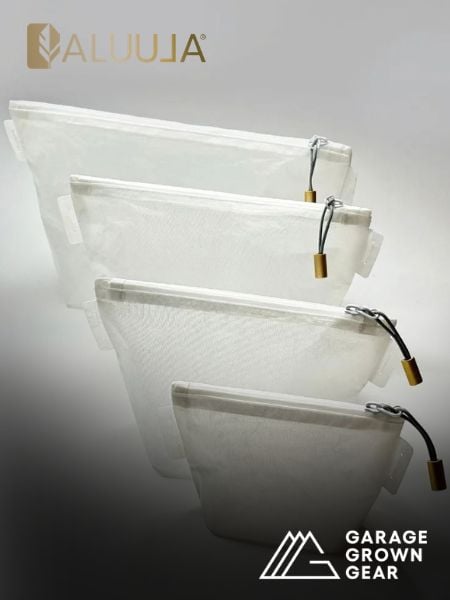 New Gear with Aluula FabricsLighter, stronger, more abrasion-resistant, and highly water-resistant - explore ultralight backpacking gear made with ALUULA Graflyte fabrics. Engineered for exceptional strength, durability, and lightweight performance, ALUULA Graflyte helps reduce pack weight without sacrificing reliability, making it ideal for demanding backcountry adventures.
