

Episode 135 | Field Notes – The Metabolic Cost of Bushwhacking
Episode Summary
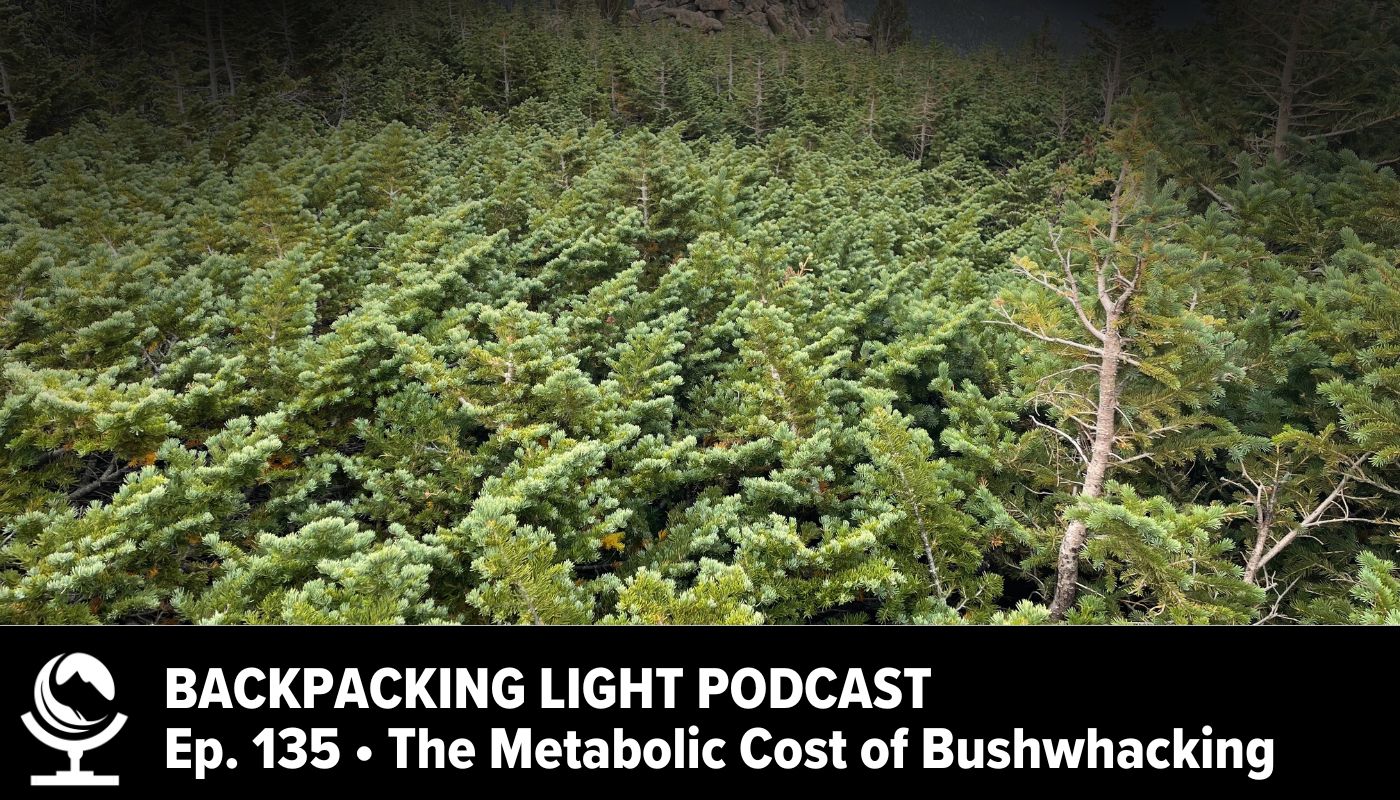
In the Field Notes episode, we explore why bushwhacking miles aren’t just harder but metabolically different. The Metabolic Energy Mile (MEM) framework breaks this down into three types of work: brush work (muscle strain from pushing through vegetation), impedance work (lost efficiency from constant stops and detours), and hazard work (the stabilizing effort to avoid injury). Each inflates the Metabolic Difficulty Ratio (MDR) in unique ways, helping us better predict energy cost, travel time, and safety off-trail.
Listen Now
together with Garage Grown Gear

Today’s episode of the Backpacking Light Podcast is sponsored by Garage Grown Gear, your hub for all things ultralight. Garage Grown Gear is dedicated to supporting the growth of small, startup, and cottage brands.
Show Notes:
What’s New at Backpacking Light?
- Find information about all of our upcoming Member Q&A’s, Webinars, Live Courses, other live events, and more on our Events Calendar Page.
Featured Brands and Products

The Bushwhacking Leggings (Alpine Fit) are hybrid hiking–leggings made for rugged terrain, featuring quick-dry, abrasion-resistant, and water-repellent front panels. They include a soft wide waistband with drawcord and a side pocket large enough for a smartphone, designed for both outdoor adventure and everyday use.
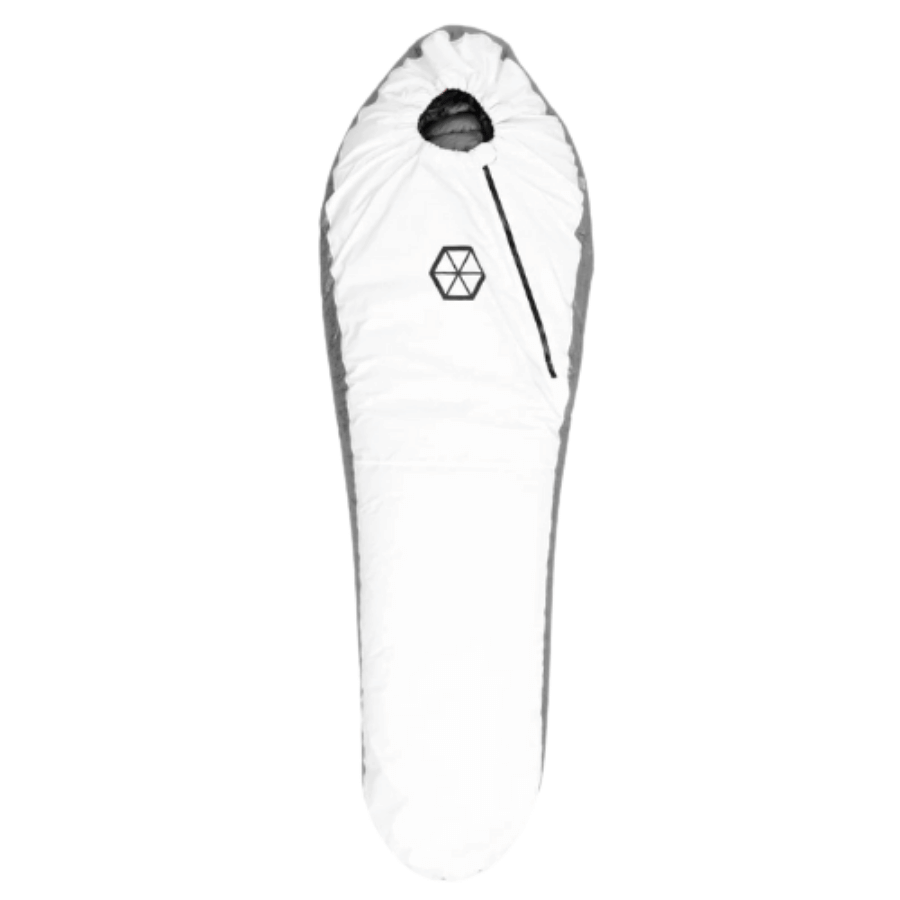
The Samaya NANO BIVY is a 235g ultralight bivy sack featuring Dyneema Composite Fabric floor (20,000mm waterproofing) and 3-layer Nanovent membrane walls (10,000mm waterproofing, 40,000g/m²/24h breathability). It offers 4-season protection with fully taped seams and a water-repellent YKK AquaGuard zipper, designed for minimalist mountaineering and emergency shelter during alpine races.
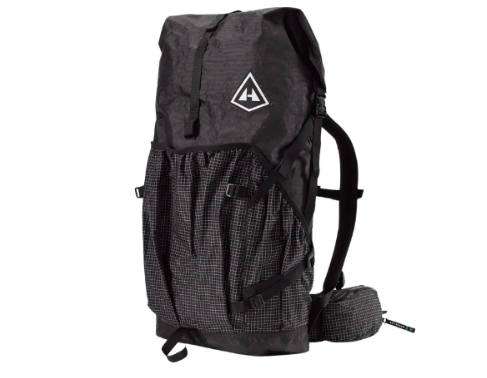
The 3400 Southwest by Hyperlite Mountain Gear is an ultralight, minimalist backpack built from waterproof Dyneema composite fabric, designed for rugged multi-day hiking.
The Metabolic Cost of Bushwhacking
- Why bushwhacking feels disproportionately hard and how off-trail travel transforms walking from an efficient action into a complex, high-cost movement system.
- The Metabolic Energy Mile (MEM) Framework and how it quantifies energy cost through the Metabolic Difficulty Ratio (MDR).
- Three forms of off-trail work that increase metabolic demand: Brush Work, Impedance Work, and Hazard Work.
- Brush Work: the muscular cost of vegetation resistance and how vegetation density and drag elevate heart rate and energy burn.
- Impedance Work: how broken stride rhythm, reacceleration, and constant redirection through obstacles waste energy and create cognitive fatigue.
- Hazard Work: the metabolic and mental cost of instability, balance corrections, and sustained vigilance in hazardous terrain.
- How identifying the dominant work type (brush, impedance, or hazard) improves route planning accuracy, pace prediction, and risk management.
- The physiological triad of bushwhacking: resistance taxes strength, irregularity wastes motion, and instability drains control.
- Closing takeaway: bushwhacking is not random suffering but a physical system governed by resistance, rhythm, and stability.
Links, Mentions, and Related Content
- Dispatches: The Metabolic Cost of Bushwhacking: Brush Work, Impedance Work, and Hazard Work
- Wilderness Skills: The Metabolic Energy Mile Framework: A Systems-Based Approach to Measuring the Cost of Walking a Mile


Discussion
Become a member to post in the forums.
Companion forum thread to: Episode 135 | Field Notes – The Metabolic Cost of Bushwhacking
Understand how brush work, impedance work, and hazard work explains the true metabolic cost of bushwhacking and how resistance, rhythm, and stability impact energy.
What gear do you pack that’s DIFFERENT from a trail trip when you go bushwhacking, and why?
Closed pockets on my pack, or no pockets.. Safety glasses. Cotton jersey gloves. A dedicated GPS. Fewer luxuries. A whole lot more homework.
No difference. IMO, you always need to be prepared to bushwhack.
I’m with Dan. It’s the other way around, I prepare differently if I know I’m not bushwacking. In that case definitely trail shoes over boots and it’s about the only time I consider shorts. In winter I don’t mind taking the taller pack if I know I’m staying on trail. Bushwhacking in winter requires shorter packs to not constantly hang up on limbs. Snow pack can add a fair amount of height
I just feel that if I’m not prepared to go off-trail, I’m not really prepared. To illustrate, this is a photo of a trail that I encountered this summer. Yes, the trail is in there somewhere. As I made my way through, I identified signs of maintenance from the distant past. Colorado is decades into a couple of beetle infestations, and big trees are coming down almost everywhere. Unless a forest trail has been worked on recently, you need to be prepared for anything.
For about a mile, I encountered sections like this, and other sections where the tread was more visible, with deadfall that was less dense. But it was a slow rough section of “trail,” that wasn’t apparent at all on a map.
If I’m going through a mile of debris, I can make do by being somewhat prepared. If I’m whacking brush all day,, crawling up dirt banks and such, I’ll use a cheap pair of glasses that I don’t mind scratching. I want light gloves that don’t make me hot. A GPS because I’m making a route or trying to hit a certain destination. Subtle changes.
Become a member to post in the forums.