

Episode 130 | Bivy Sack Camping

Episode Summary
In this episode, Ryan shares his approach to bivy sack camping above treeline using a waterproof-breathable system built for stealth, weather protection, and minimal impact. He explains why tents aren’t always practical in alpine terrain, what gear he trusts (including his full summer bivy kit), and the skills that make bivy camping both functional and immersive. If you’ve ever wanted to sleep under the stars - without giving up shelter - this episode’s for you.
Listen Now
together with Vaer
Today’s episode of the Backpacking Light Podcast is sponsored by Vaer Watches, home to beautifully designed, extremely durable, expedition-worthy wristwatches masterfully crafted in the USA.
Show Notes:
What’s New at Backpacking Light?
- Masterclass: Ultralight Gear & Strategies for Search and Rescue
- Find information about all of our upcoming Member Q&A’s, Webinars, Live Courses, other live events, and more on our Events Calendar Page.
Featured Brands and Products
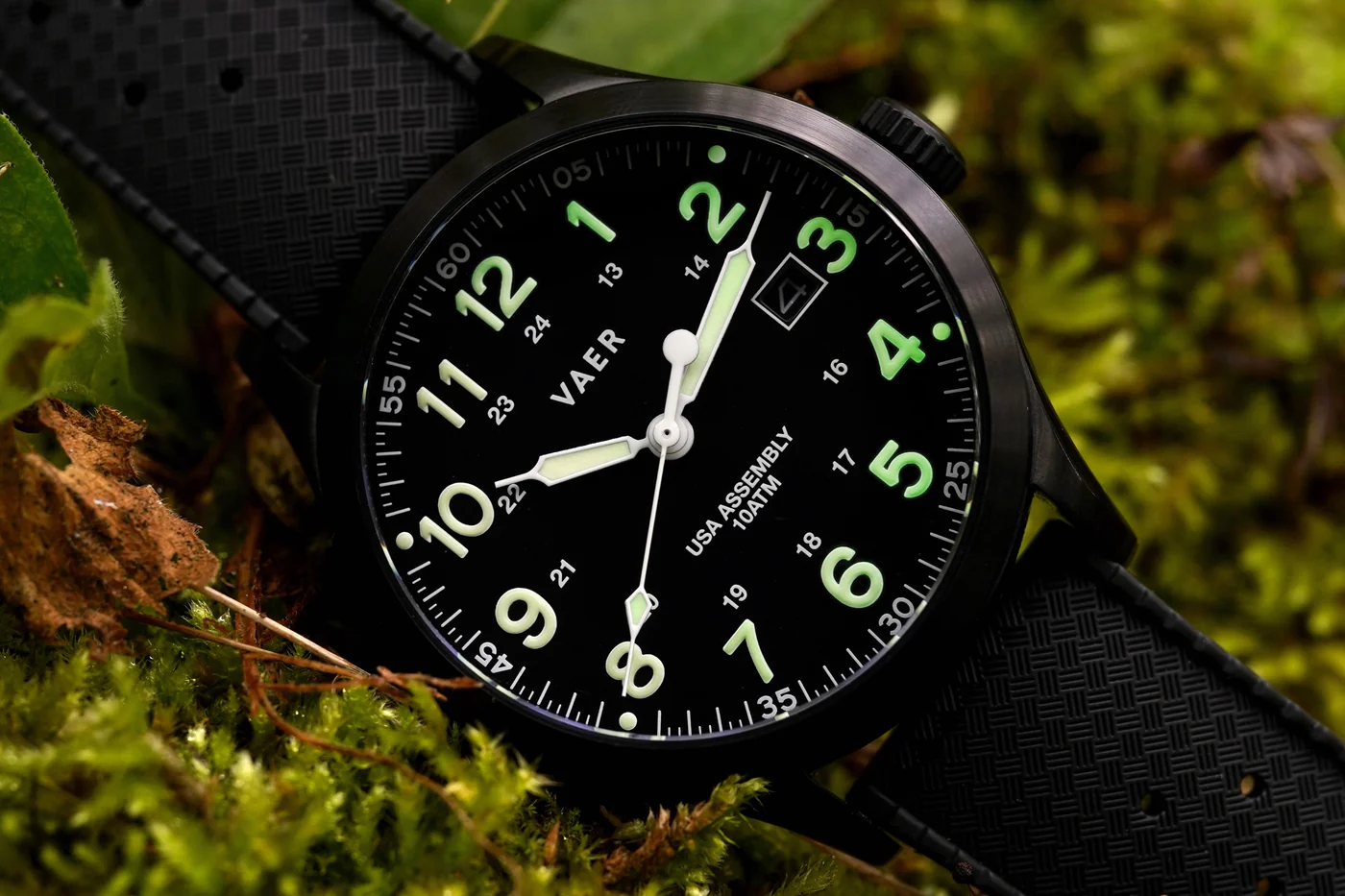
From Day 1 Vaer has had a simple mission: build watches that can be trusted anywhere, including the most extreme outdoor environments. Over the years we've had the opportunity to continually put this ethos to the test, working with explorers and athletes who have continued to showcase the unique appeal of extreme durability, and timeless design.

The Mountain Laurel Designs eVENT Soul Bivy is a fully enclosed, three-layer bivy featuring eVENT waterproof/breathable ripstop upper fabric and a 1.3 oz 20d Pro SilPoly floor with >3,500 mm HH rating; it weighs ~11 oz (310 g) in medium and includes a full‐width waterproof zipper, overhead hang loop, hang loops at corners, and a wire hoop that holds the upper fabric off the face to reduce condensation.

Oversized volume for large pads, larger people, or winter sleeping bags. Easy-entry exit and ventilation options with a fully-retractable top. Storm window at head end can be operated from inside to control ventilation and views. Three-stake pitch with overhead pole improves livability and breathability.
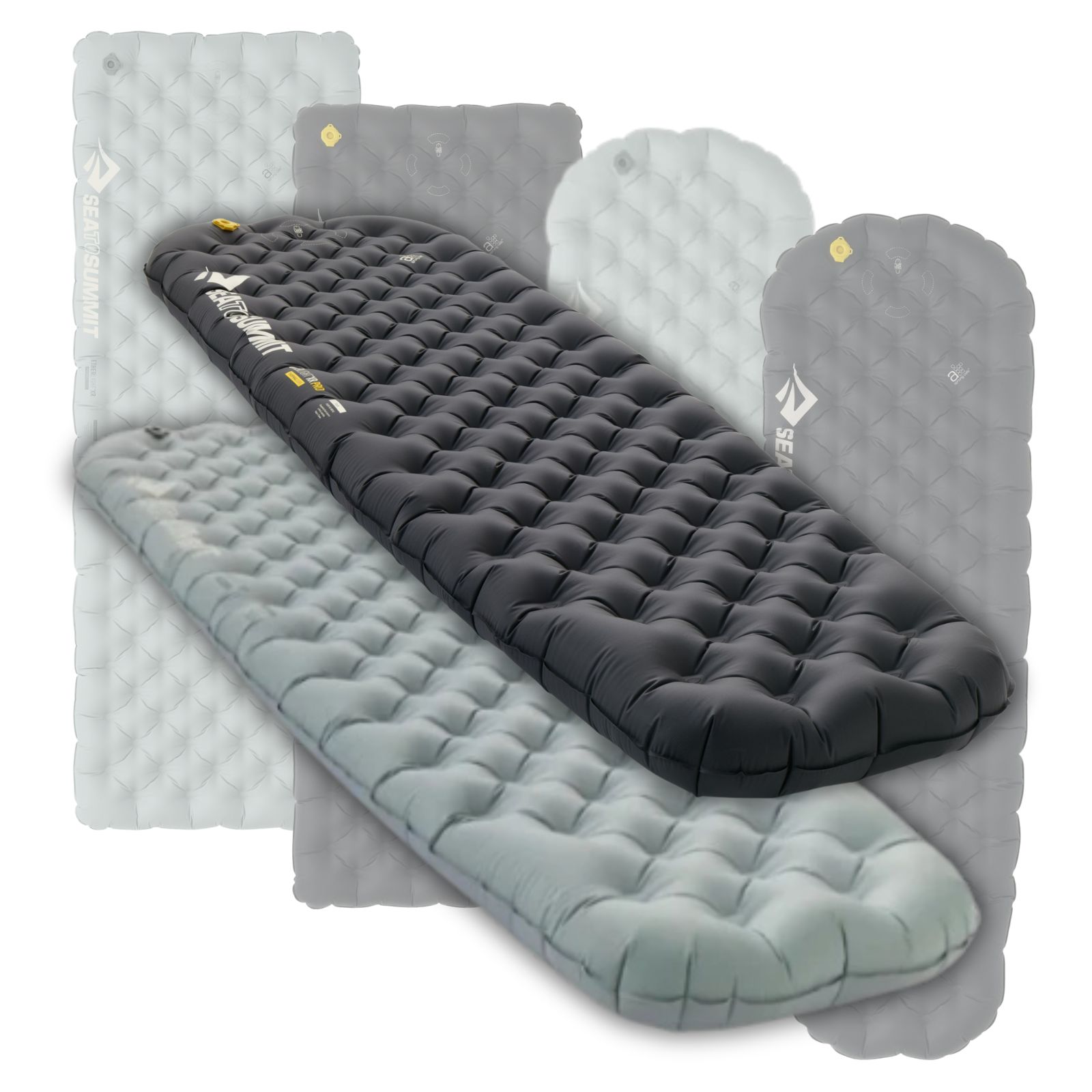
The Sea to Summit Ether Light XR Insulated ASC Sleeping Pad is an insulated air pad with Air Sprung Cell construction, ThermalCore insulation with a suspended TRM reflective layer, 10 cm thickness, 4.1 R-value, XPRESS valve, integrated pump sack, and 470 g Regular weight.

The Hyperlite Mountain Gear 40-Degree Quilt is an ultralight backpacking quilt unique for its combination of 1000-fill power RDS-certified goose down, a 7D ripstop nylon shell, sewn footbox, vertical baffles, generous girth - and very light weight.
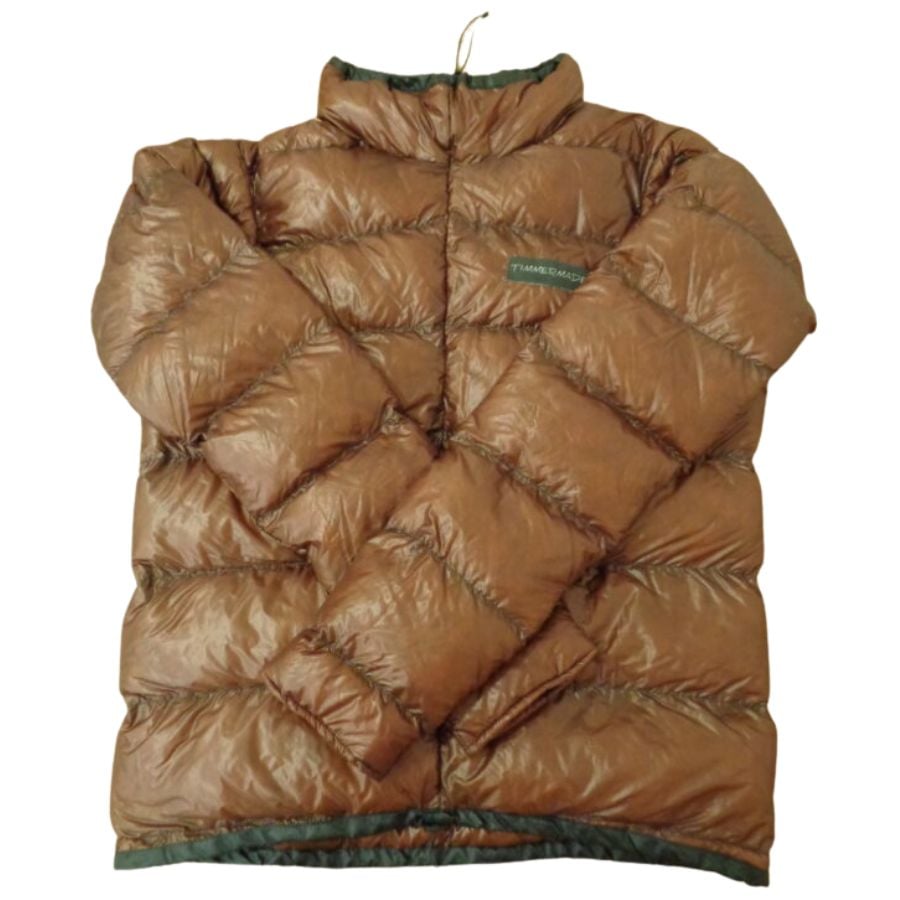
The Timmermade SDUL 0.75 Down Sweater is filled with 1000 FP down, is made with 7d fabrics, and forgoes pockets, zippers, etc. to minimize weight - while still maintaining 3-inch baffle chambers to achieve about 0.75 inches of loft. Cinches at the neck and hem can be removed if draft control isn't needed. Generous baffle sizing and the lightest possible materials/design make this one of the highest warmth-to-weight designs available.
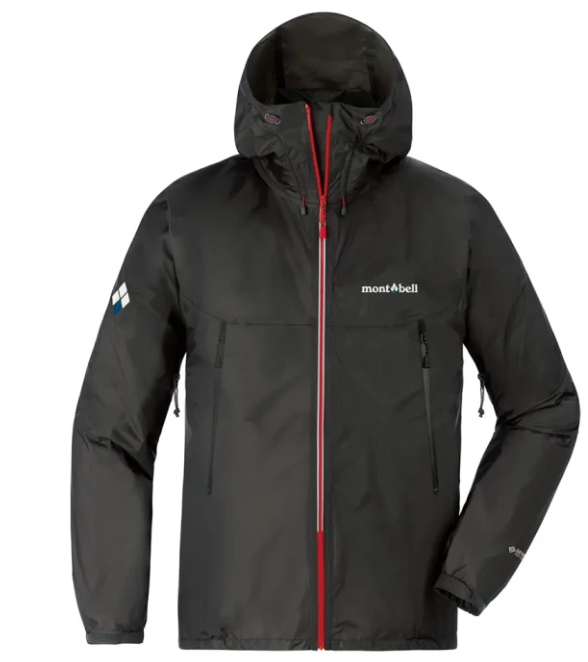
The Montbell Versalite Jacket Men's is a pocket-free 3-layer rain shell using Montbell SUPER DRY-TEC with a 7-denier Ballistic Airlight nylon ripstop face, K-Mono CUT patterning, Smooth Pit Zips, Triaxial Hood, Aquatect zipper, stuff sack, and 5.9 oz / 166 g listed weight.

The Zpacks Vertice Rain Pants are minimal‐feature, waterproof overpants made from 1.50 oz/yd² three‑layer Vertice fabric (7D ripstop nylon with a waterproof membrane and tricot liner), weighing approximately 3 oz (85 g) for men’s sizes and 2.5 oz (72 g) for women’s. They include a drawcord waist, dual ankle snaps, pack down tightly with no stuff sack, and are made in the USA.

The Arc'teryx Beta SL is the lightest rain jacket on the market that combines a full feature set (generous fit, extensive ventilation, high breathability) AND durable (40D+) fabrics.
Camping in a Bivy Sack
- When to Use a Bivy Sack – Above the Treeline, Stealth Camping, Flexibility to Camp Anywhere, Philosophy
- Core Features – Waterproof & Breathable Fabric, Structured Hood, Ventilation, Room for Lofted Insulation
- Dealing with Storms and Insects
- Gear Considerations for Backpacking in a Bivy Sack
Links, Mentions, and Related Content
- Gear: MSR Pro Bivy Gear Review
- Masterclass: Your Tent, Your Campsite, Your Comfort


Discussion
Become a member to post in the forums.
I have done that – put my tent directly over me when it started raining. For a few hours there wasn’t a lot of condensation. All night there would be a lot of condensation.
Another thing I’ll do is stake one side of the tent and fold it over itself to my side. Then, if it starts raining I can quickly erect the tent.
Or, if there’s only a small chance of rain I’ll just leave the tent and pole ready. And rain jacket. Then, when it starts raining, I can quickly throw the tent over my sleeping bag, then erect it, then go back to sleep.
I did that once, when at 2am a large branch fell on the tent and broke the pole at the head-end. Propped my pack up next to my head to keep the fabric off my face. Worked just fine…but not well enough that I’d want to do it again :)
I started backpacking in the ‘90s using a WPB OR bivy with the alligator mouth (2 poles which anchored next to each other .. that could be opened in various ways along with the inner bug net door), and still I stopped before rain (summer Colorado mountains) to enter with a synthetic sleeping bag. That and a few mixed group trips when wriggling around inside to change
Then there’s physiology. I sold said bivy after a trip where the night was cool instead of cold, and the bivy’s inside felt stifling (had rain threatening so did a bit of zip up). Having btdt, think I’d like a WPB bivy more for actual cold nights, but the simplicity is undeniable for dry nights. Maybe the new synthetics could help (synthetic parka, and saw an MLD quilt that could use said parka). Even a few thru hikers use a store-brand WPB bivy for a few thousand miles, albeit smaller hikers and at least one had a DIY tyvek hood she’d use to keep just the bug net open. Read about some lighter DCF set ups (UK built).
Tempting.
So, since my last post, I have bought a bivy…. OR alpine ascent shell. Not as much fun as making one like dueurt, but I wanted really good fabric, and fabric+shipping was going to cost close to the OR bivy anyway.
I did make the tarp 😊. 1.8m x 2.2m.
And just got back from my first walk testing them out. Rain the first and third night, snow the second. Only the slightest bit of condensation at the foot on the snowy night. Sort of wierd having warm feet and legs but covered in snow.
1st time tarp camping too.
I had a great time.
This was a ‘training’ run for an off-track ridge walk im planning for. Can be hard to find tent sites and wind can be extreme (leave the fly down).
Id wondered about using my tent as a bivy if the wind was bad….would work as an emergency, but decided the condensation would be pretty bad….and extra extra miserable if I was stuck in it for a couple of days.
Cheers
2nd campsite. You can see the bivy sticking out the left side of the fly.
Day after the snow, it rained off and on all day – so i lazed around and stayed in bed. Flicked a couple of leeches off the bivy – none got in 😊. Bivy dries SO fast given half a chance.
Looks fantastic 😊
Become a member to post in the forums.