I recently purchased a Western Mountaineering Lynx in GWS fabric (I have the option of returning it as long as the tags are still on). I live in central Tennessee, so considering that this bag is probably overkill for the majority of winter nights near me, it will be primary used when traveling. As I give this more thought, I find myself asking the question – do I really need this bag?
I realize that “it depends” is likely to come up a lot, but I’d like to hear your thoughts on just how often you’d need to be winter camping and at what temperatures before you’d spend $950 on a bag of this quality. FWIW, I am by no means wealthy, but very comfortable I didn’t have to stretch my budget to pick this up (I mention this only because it’s clearly a factor in how carefully one needs to consider such a purchase).
I’d like to do the Grand Canyon and other areas of the SW during the winter, and temps early this week in the GC are in the single digits, so one can foresee circumstances when this bag would be nice. My family has a small fishing cottage in Ontario on Georgian Bay, and eventually I’d like to do some camping up there in the winter. However, at this point in my life these trips are mostly outliers.
My current three season bag is a Marmot Ion 20, and I recently purchased a Sea to Summit fleece liner that I assume will add ~5-10 degrees of warmth (they advertise much higher but I’m skeptical). This should suffice for most of the winter camping I’d be doing in Tennessee, Kentucky and western NC – excluding outlier nights where temps are unusually cold. My logic is that the Lynx would be used whenever temps are expected to drop below 15-20f. I spent a night in SW Zion when it was 19f at night, and if my memory serves me well, it was a little chilly but I was in no danger while using the Ion.
Since the question of microfiber vs GWS comes up often, I might as well layout my reasoning here, because I know the microfiber is more popular. I chose the GWS because IMO it is the most versatile, even if that versatility comes at the cost of additional $ and weight. If I sleep in a shelter without a tent (e.g., a pre-built shelter on the AT), the GWS material is less prone to tearing if it comes in contact with a splinter, less prone to wind penetration, and of course more water resistant in a variety of contexts (taking into consideration that he microfiber has some water resistant properties, too). Through my research I’ve read just about every thread on the GWS vs microfiber, and the chief concern regarding the GWS fabric (exclusive of the weight/cost difference) is body moisture being trapped inside the bag. However, nearly all of these accounts are from people who simply had this concern, not from people who purchased a WM bag in GWS and tested it. This is not to say that such concerns are unwarranted, but it’s not as though these threads are littered with stories from people who tried GWS and got rid of it because of this issue. While microfiber is certainly more popular, the posts from people who went with GWS seemed to be positive – but I welcome additional comments.
I apologize for the long post as it is my first – but I look forward to soaking up information from the more experienced members.


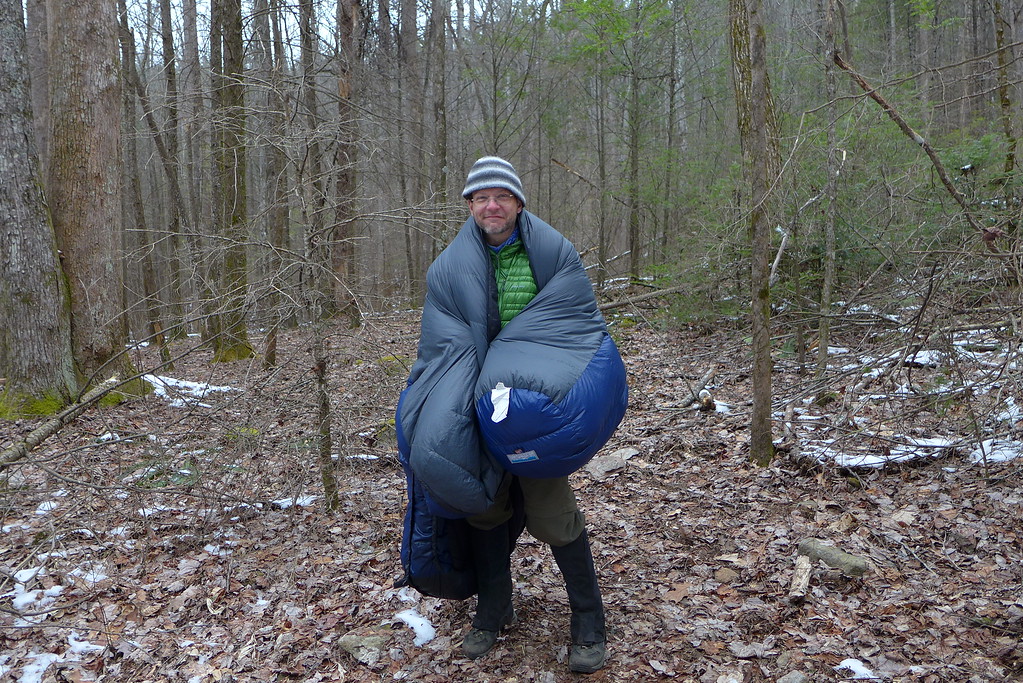
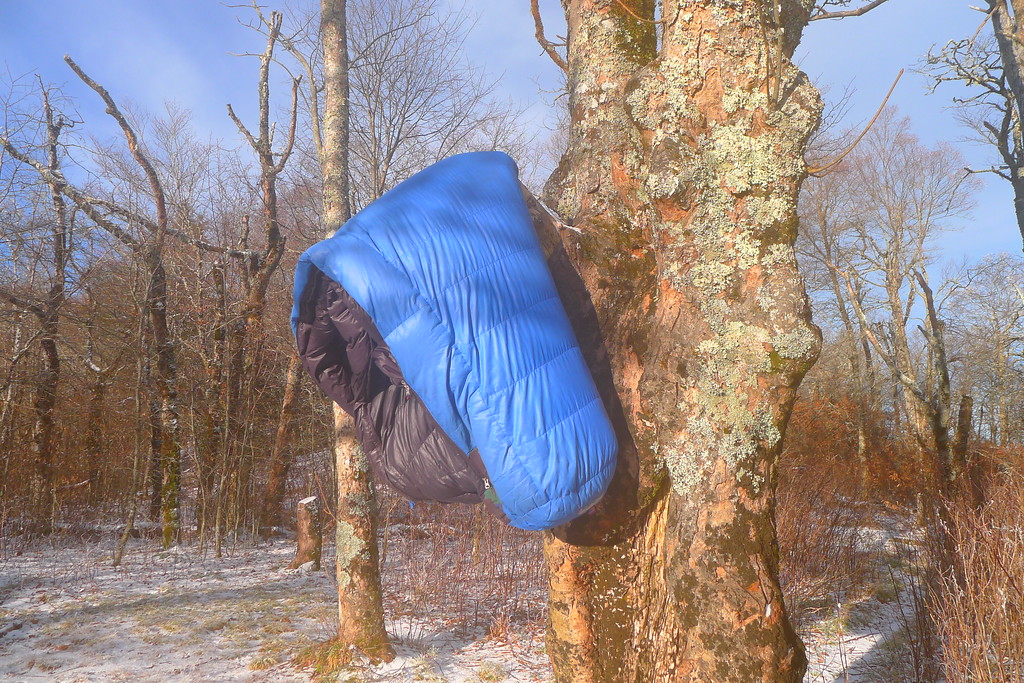

 It has versatility per Tipi