Joshua,
Check with TT to see if they are using Easton 340 or 344 tube for the pole. TT has used both on its products. If they are using 344, a pole made of 340 will be quite stronger and stiffer, albeit a little heavier, but worth the weight if you are camping in very high winds. TT may have a 340 pole, or you can buy one ready made from Tent Pole Technologies, or buy the materials from Quest Outfitters and make one yourself. If you want a bomber pole, Quest have higher diameter and thicker walled Easton poles also. Guying is important, but the tent structure and design are also.
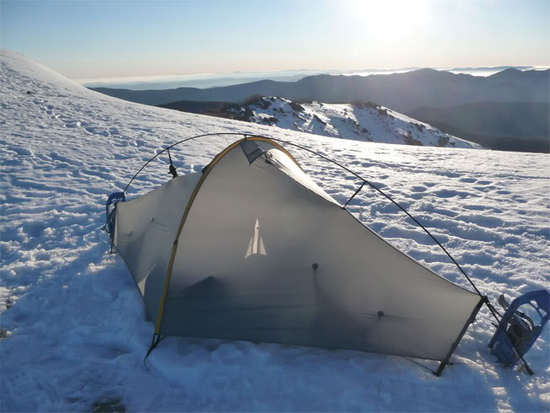
Would also guess from the posts that you did not guy out the pole from the loops provided at the front and back of the tent. That would have made a big difference. Another strong feature of the Moment is that the design is such that the hoop guy-outs do not interfere with getting in and out of the tent.
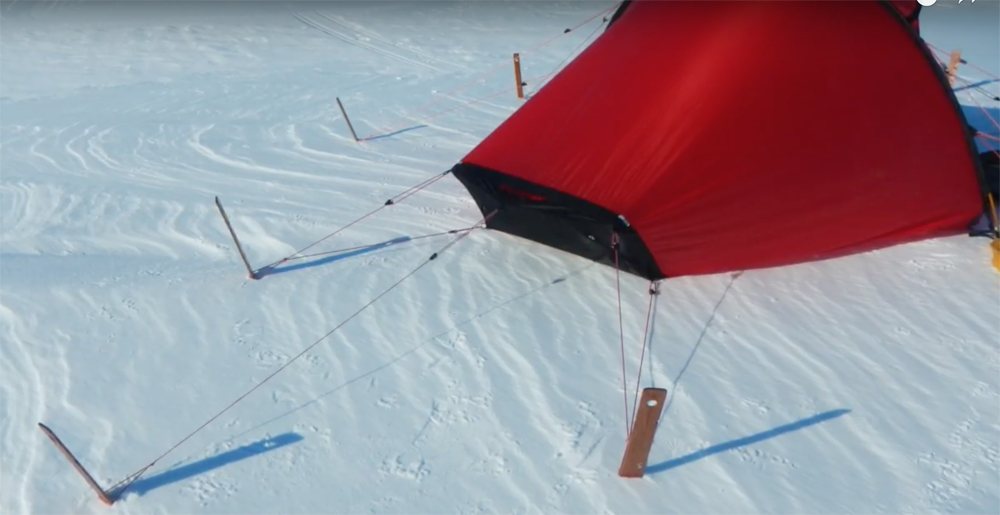
One key for low peg tents is that the few pegs you do use must be strong and set carefully enough to resist stronger force. My hiking companion learned this the hard way when every single peg on her REI tent (now defunct) came out. In the morning, I got out of my tent and saw she and all of her gear were soaked. The winds were so strong on the bluff that although my self-supporting tent remained intact, the rain was blown so hard against it that it suffered some leakage. A few nights later, after a day of drying out, we had another downpour, but less wind, and no leakage.
IMO, the aerodynamic shape of the Moment is a plus in high winds compared to any kind of tent that has more nearer to vertical walls. The more vertical surfaces for the wind to attack, the more guy points and lines will be needed.
While Roger may disagree, one big advantage of a self-supporting tent, so long as they have less nearer vertical surfaces, is that although the tent must of course be anchored, high winds will put less pressure on the pegs to pull out. If the tent is supported entirely by stakes, high winds will exert higher pressure on the stakes, and more additional guys and stakes will be needed for support. All those extra stakes can take a tent right out of the lightweight category.
Yes there are bomber tents that use less guylines, but as was pointed out, they use a lot more crossing poles to create a stronger superstructure and the materials are heavier also. And they still must be anchored by pegs or other means. Hillebergs seem to be among the most popular in this category. If you look at Everest base camp photos, you’ll see a lot of such tents. Those climbers or their sherpas are in top shape and need very strong backs to haul them though.
If you can beef up the Moment, suggest that would be a good option.