Not a problem. I do it a lot. Cheaper fuel. Better cold-temperature performance, but, as you note, a heavier cylinder. For car or boat camping, or sometimes if I’m bringing gear in a waxed sled over a frozen lake, I’ll use the green Coleman propane cylinder (a pound of propane in a pound of steel) that I’ve refilled from a bulk tank, so my fuel is $0.60/pound versus butane in 4-, 8-, or 16-ounce canisters at $20, $15 and $10/pound.
100% (ish) propane is at a higher pressure than butane or a butane/propane mix at the same temperature (hence the thicker cylinder walls). But your butane stove (valve, hose, etc) should handle even a pretty hot butane canister which is a similar pressure to room-temperature propane.
Due to the higher pressure, you may find the control valve is a little more sensitive, but I rarely notice that.
If you don’t change the orifice size of the stove, a given flow of propane (C3H8) has less heat content and requires less oxygen for combustion than butane (C4H10). So the flame may be a bit leaner (which is nice at attitude because it minimizes CO generation. But that’s minor compared to converting a home stove from natural gas (mostly methane = CH4) to propane – then you definitely need to re-jet the mixing assembly.
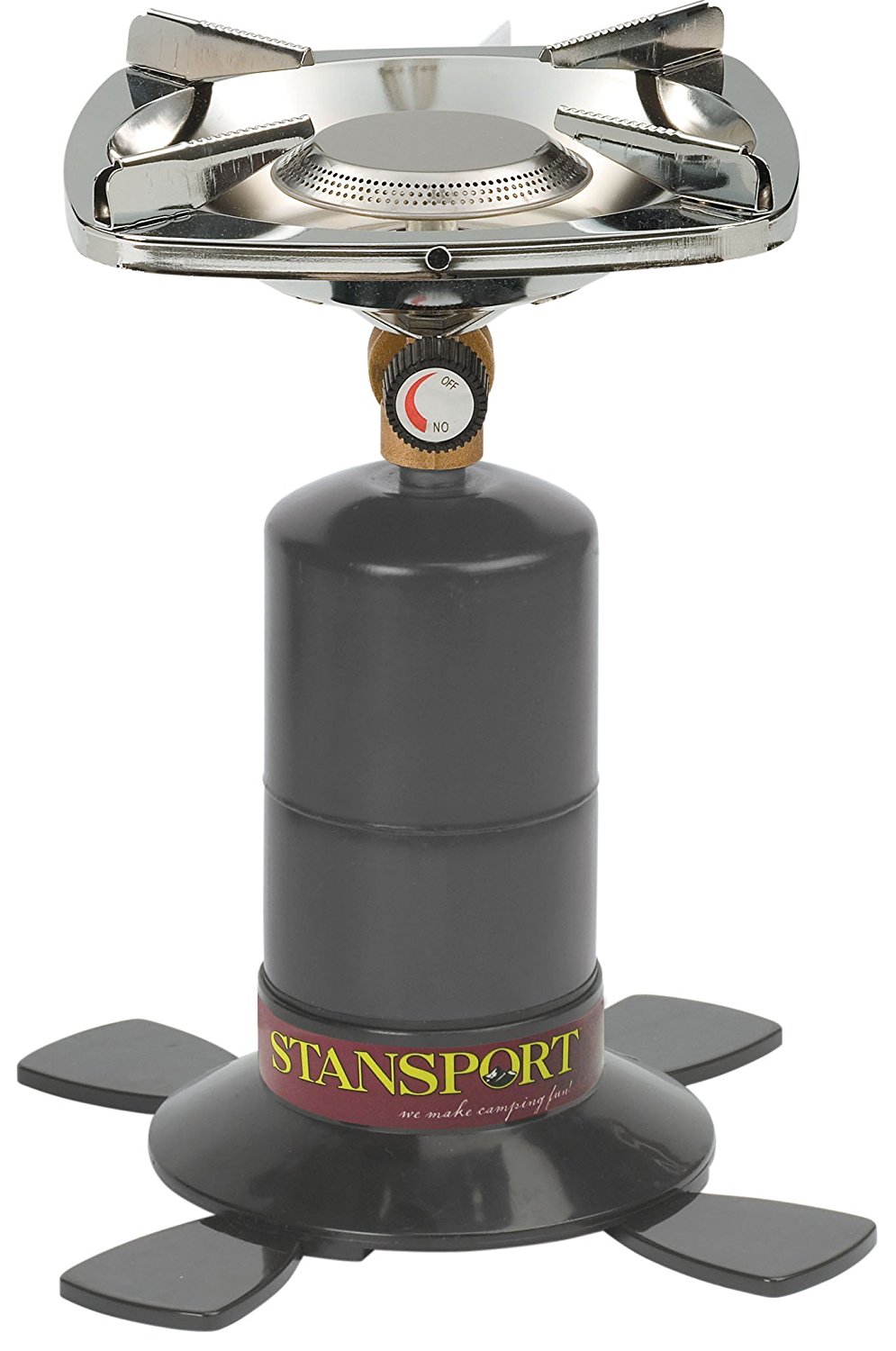
If you’re screwing an upright stove head onto that taller propane cylinder, consider one of the plastic bases to make the propane cylinder more stable.
Or, if weight isn’t a concern, just get a propane stove head (bigger, heavier, but supports a bigger pot) and comes with the plastic base. About $20 at Walmart or Sporstman’s Warehouse.