There are many, many ways to reduce your load, in volume and weight. I would start there.
1) Reduce what you think you need to you absolutely need. Do you need a fork? No, drop it. Do you need three lights? No, drop the heaviest. Do you need a 20F bag? No, a down jacket and a 30F bag will work. Increase maximum adaptability with what you DO carry. A tarp and ground sheet is usually smaller and lighter than a tent and much cheaper, too.
2) Reduce your food weight. I go out typically with 1.1pounds per day. On a three week hike, this means just over 23pounds at the start, decreasing thereafter. High density foods, and, a rather strict rationing regime means I often loose about 10-15pounds. This translates to around a half to two thirds of a pound of fat I burn off per day. Do not try to exceed 1/2pound of loss per day, but that is what fat is for, use it. Crush any Fritos/chips before packing them. Remove any excess air from packs with a pin and some scotchtape. Replace any 100C/oz foods with 120C+ foods. Bring vitamin pills instead of any fresh veggies. Bring dried beef/oily sausages, dense cheeses, etc instead of oatmeal or sweetened cocoa’s. And so on. It is certainly possible to pack 7days of food in a smaller can like a BV450. And the smaller can will weigh less. by a half pound.
3) Establish a routine for each day. an hour for breakfast, 20min to pack up everything in the morning. Lunch at 1200. Supper at 1700 after hiking, A half of an energy bar at 1000, and at 1430. And so on. This will allow you to plan each camp with a minimum of fussing leaving more time for the hike. (Besides keeping your stomach occupied with hiking.)
4) Dual use of as much as possible, though this kinda goes along with 1) above.. A small sharp knife can do the work of a larger, heavier knife. So, spend a gram on a piece of 1000g wet dry sand paper to keep it sharp and save several ounces, besides.. Hiking poles for tent/tarp support(s). This can be difficult to figure out without some experience, but it saves some weight.
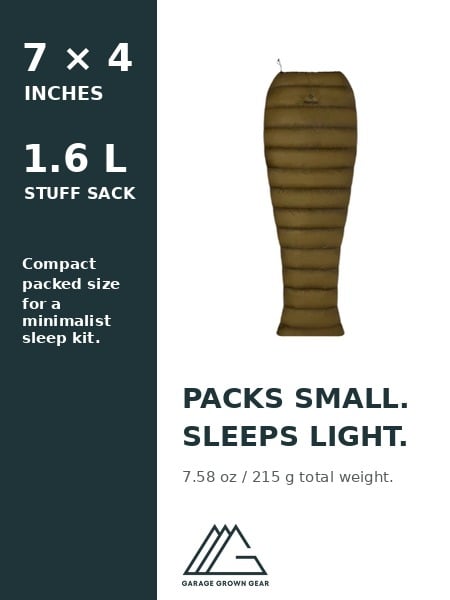
5) Use a compression sack for your bag, sleeping cloths and down gear. It will save as much space as you waste in weight. Yes, it isn’t real great on sleeping bag longevity, but with less volume you can likely use a lighter pack by at least double what the bag weighs.
6) As Karen mentioned. carry minimal water. Most of the time, a litter is all you need for hiking. Instead of downing half a bottle, drink only a few swallows at 30min intervals, for example. Tank up at any water sources. Too much and you can loose electrolytes, though. Bring a small shaker of salt (Potasium chloride and Sodium chloride, mixed) to keep your electrolytes in balance.
7) And have FUN! If you catch yourself thinking this is a slog or where is my next camping spot, stop and really look at your surroundings, enjoy the beauty and wildlife. Keep your attitude and focus on the now and not on the future of being at a camp and doing nothing.


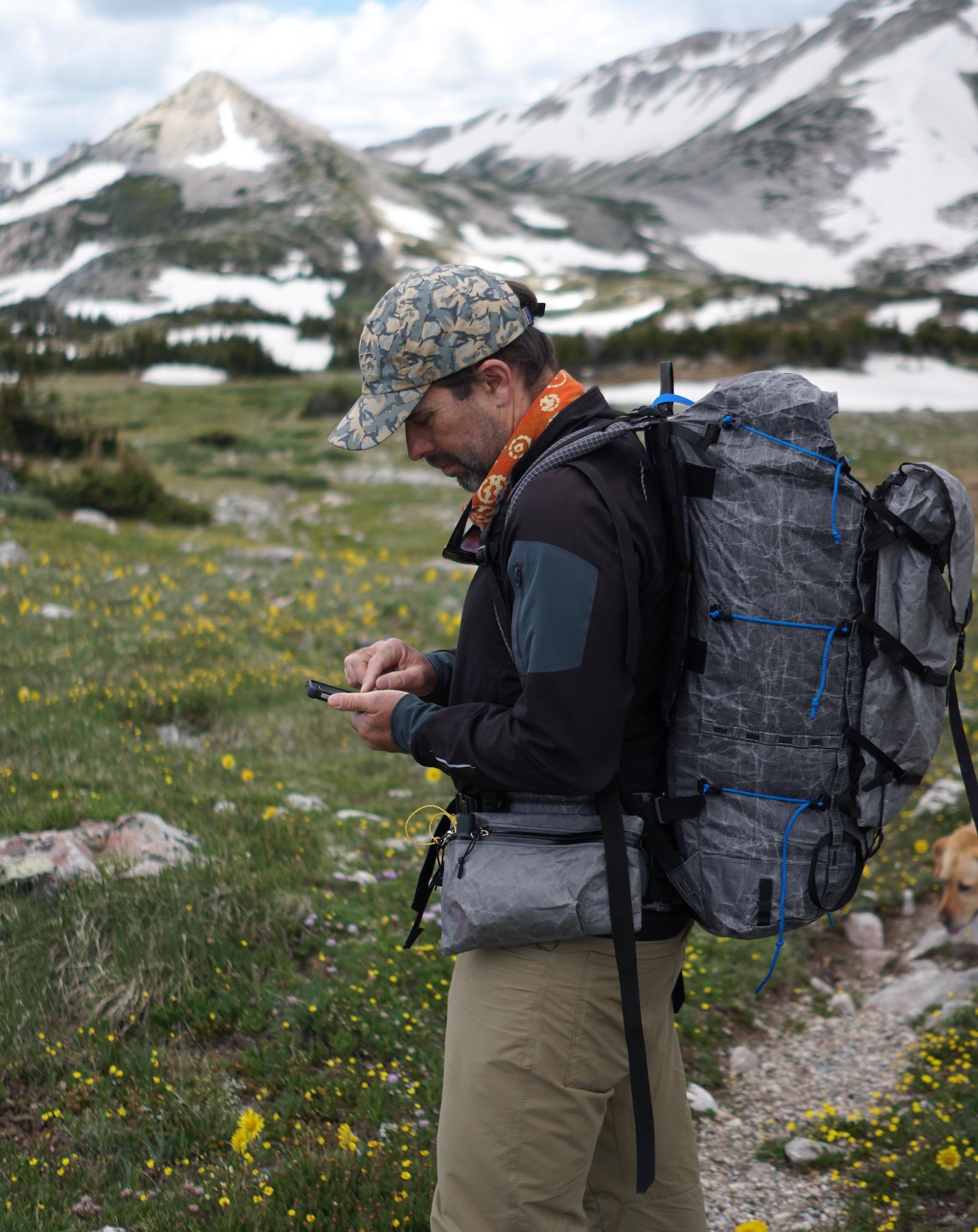 Caveats: this is a 3.5 lb pack, stripped of all external pockets. Bypass harness, double-buckle hip belt, nice thick padding, stout twin aluminum stays.