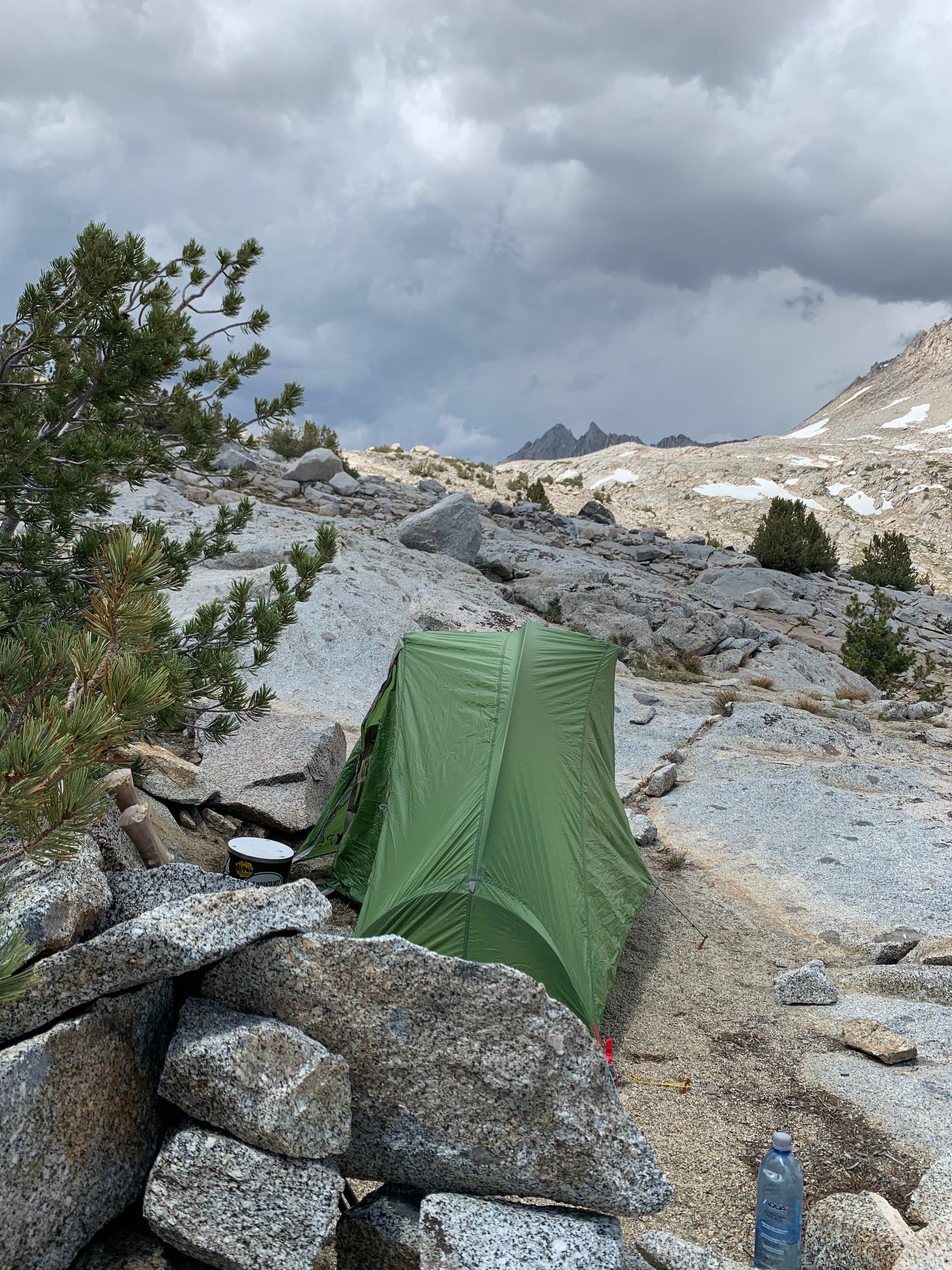
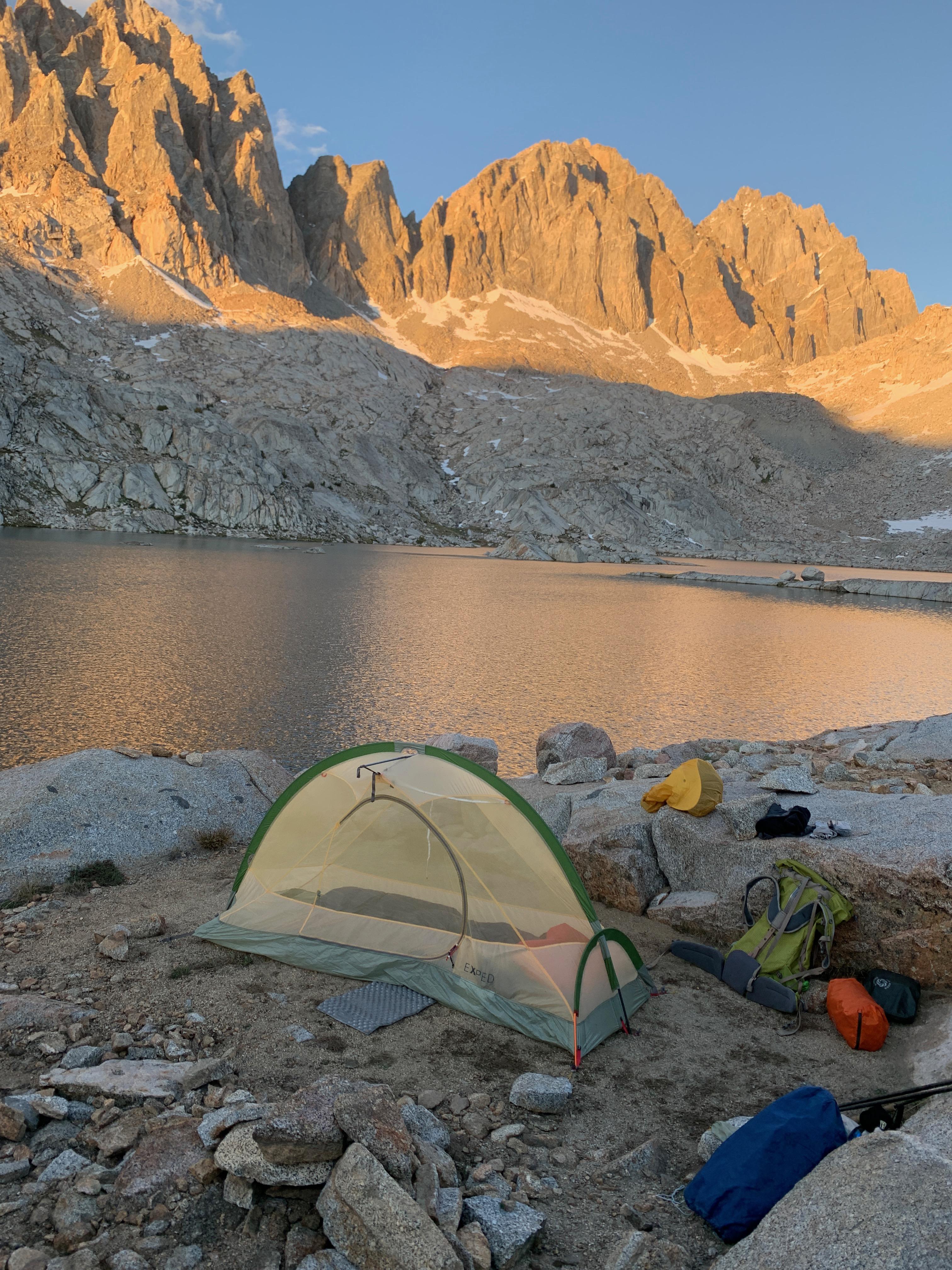
“Tiger Wall 2 Platinum”
Looking at your link, BA states that the water resistance is 1200mm HH, below the 1500mm waterproof standard, and that’s before aging, which can bring even a good HH down well below 1000, almost a guarantee of a leaky tent. That is consistent with the comments seen on BPL over the years about Big Agnes tents.
Looking at the comments about the Copper Spur UL 1P, Big Agnes claims that the fabric has been improved for 2020, but no specs on their site. And there are many pre-2020 models of this tent online, except Campsaver, which says the tent has been withdrawn from the market.
This design is not bad for campground use (not in the prairie states though), and I once recommended it to a poster who wanted it for that. But the walls are close to vertical, spacious of course, but trouble in high winds, which can arrive unexpectedly, especially in high open areas that are popular for backpacking. Noting the complaint about broken poles, I also suspect that BA and others have used alloy that is too light to hold up in high winds just to get the weight down from all that metal in a “freestanding” tent.
While I think that some form of framework over the occupant is desirable, especially for high winds, do not understand the attraction of “freestanding” or “semi-freestanding” tents. Love Hilleberg’s picture of a hiker chasing his freestanding tent into a lake, and the photos and clips in a similar vein posted on BPL by moderator Roger Caffin. Note that a peg that stakes out a vestibule can also serve as a guy point and actually add more wind resistance to a tent, as opposed to a peg the holds the corners or other parts of the living area in place, as on the BA Fly Creek, Nemo, MSR and other designs. Loss of those pegs in a blow can bring down the whole tent. So the distinction between freestanding and semi freestanding is not helpful. It depends on what is being pegged.
Suggest that “self-supporting” is more helpful because it suggests a tent with some form of framework to protect the occupant, and also to reduce the length of unsupported spans of fabric like those on a tunnel with only two hoops, or a mid or other tent with only an upright pole or two for support. Those long spans of unsupported fabric are especially a problem with nylon, either sil or PU coated, that expands and sags with increases in rain or humidity. Look for polyester on tents or that sort, where stakes do not just anchor a tent, but also support it and keep it upright.
Unlike many on this thread, I’ve had only two tents going back years. Both were from Australia, and modified extensively (lighter floor, enlarged floor etc). At this point, am building the next tent from scratch to create one with high wind shedding and resistance (no almost vertical walls), highly water resistant outer fabric not found on nearly all US tents made in Asia (Did you ever see a tent that specs Dupont nylon 6.6 fabric, even though it is both very light and durable, and readily available for MYOG?), a framework that protects the occupant, and a number of other features, the lack of which result in many hikers buying tent after tent as continued usage and bad weather expose their flaws.
If I had to buy a tent, I’d look to Australia and New Zealand (Macpac. Wilderness Equip.) or Europe including the UK (Scottish highlands) not withstanding Brexit (Hilleberg, Trekkertent), or the better US small companies, like Tarptent, notwithstanding whether the tent is “freestanding,” a truly meaningless and unhelpful term.