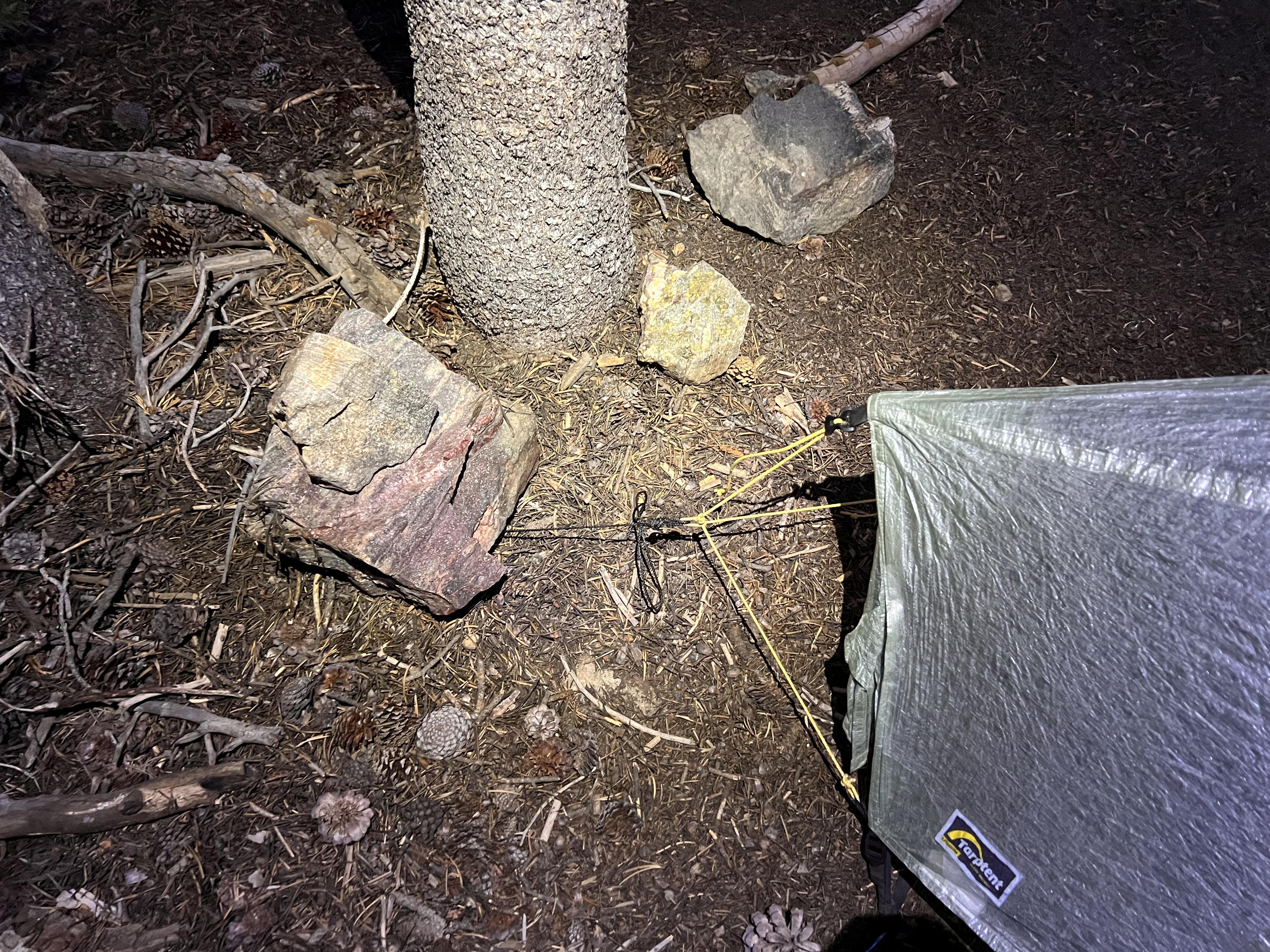
Suggest that the type of stake needed for heavy winds depends greatly on whether the tent is self-supporting, or not. For the former, the stakes are needed to anchor the tent, but not keep it upright. For the latter, if the stake(s) give, the tent may collapse. An utter disaster in a bad storm. Still remember as a kid getting up and out of our tent after a severe storm, and finding our adult chaperones on the ground with their tent wrapped around them.
Like a tunnel, I think the TT tent is not self-supporting, and falls into the latter of the above two categories. So requires heavier stakes for adequate wind resistance. While trekking pole tents are very light and very popular, am not sure that folks keep in mind the weight penalty from the need for heavier stakes required for wind performance. There are not always lots of heavy rocks around everywhere to lift and carry a la the Arnold.
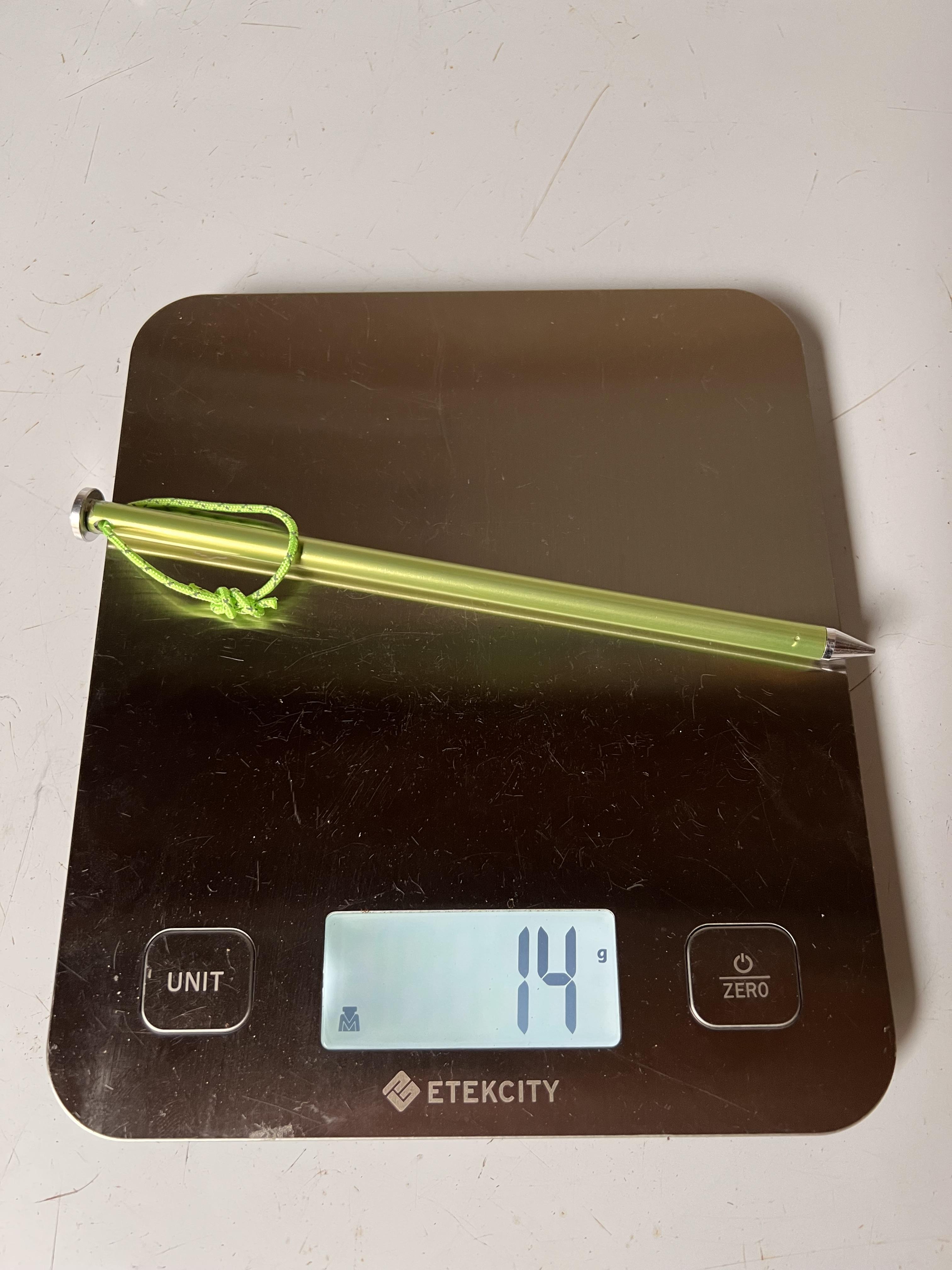
For myself, the tents are self-supporting, so if the ground is exposed, light shepherd hook stakes are sufficient. However, even the thicker ALU ones tend to bend out of shape, so accept the weight of the heavier Ti ones. They come in various sizes and lengths, and use ones just heavy enough to anchor the tent. And am also aware that the vestibule pull-outs of the self-supporting tents need more than just anchoring, and are needed for support the tent in heavy winds, particularly the rear vestibule stake that faces the wind. That is the one that gets the most attention to make sure it is secure. If the rear shepherd hook is not secure enough, then relocate the pitch so that stake is secure. Since it projects a couple feet to the rear, a guy to a tree or bush can sometimes be added.


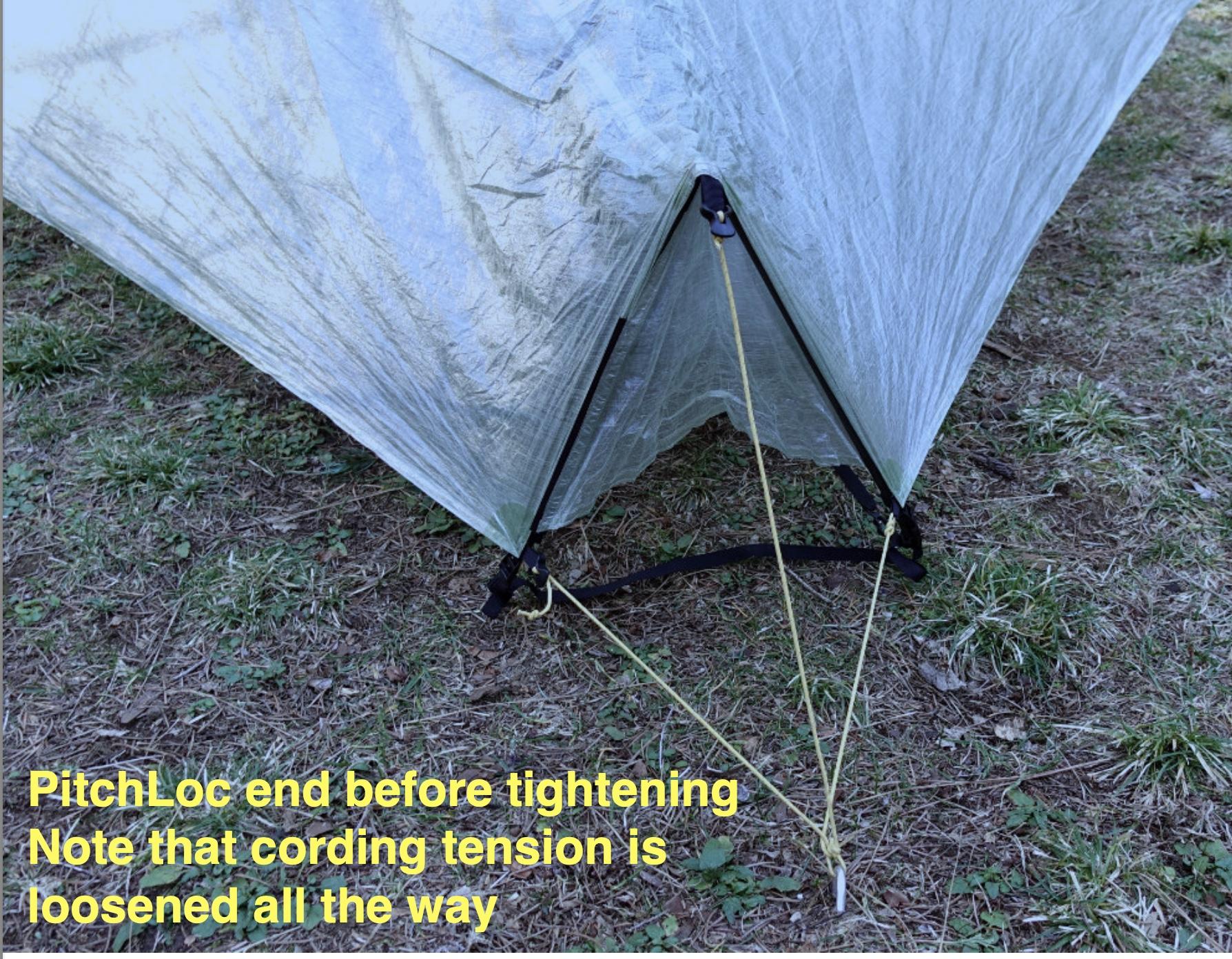
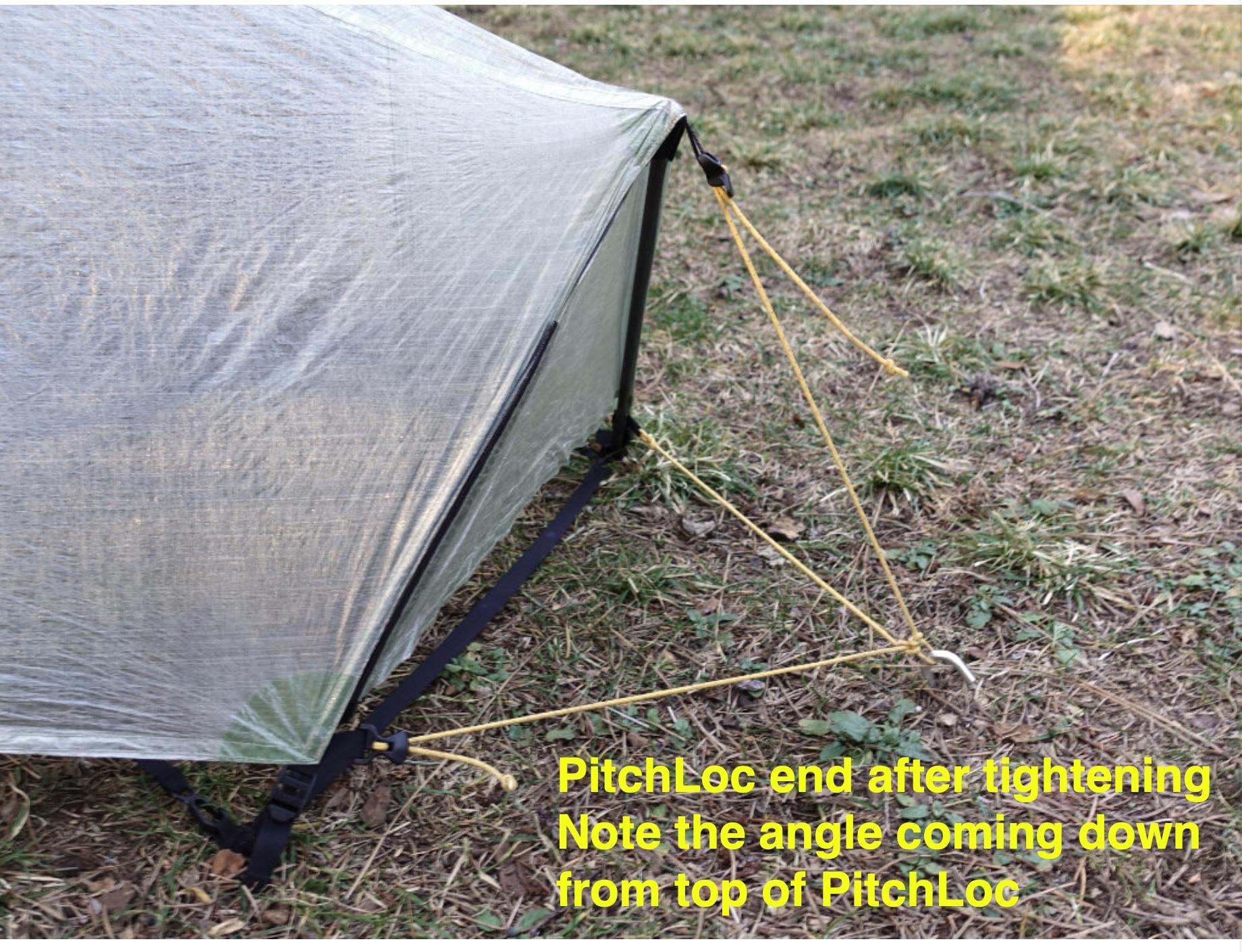

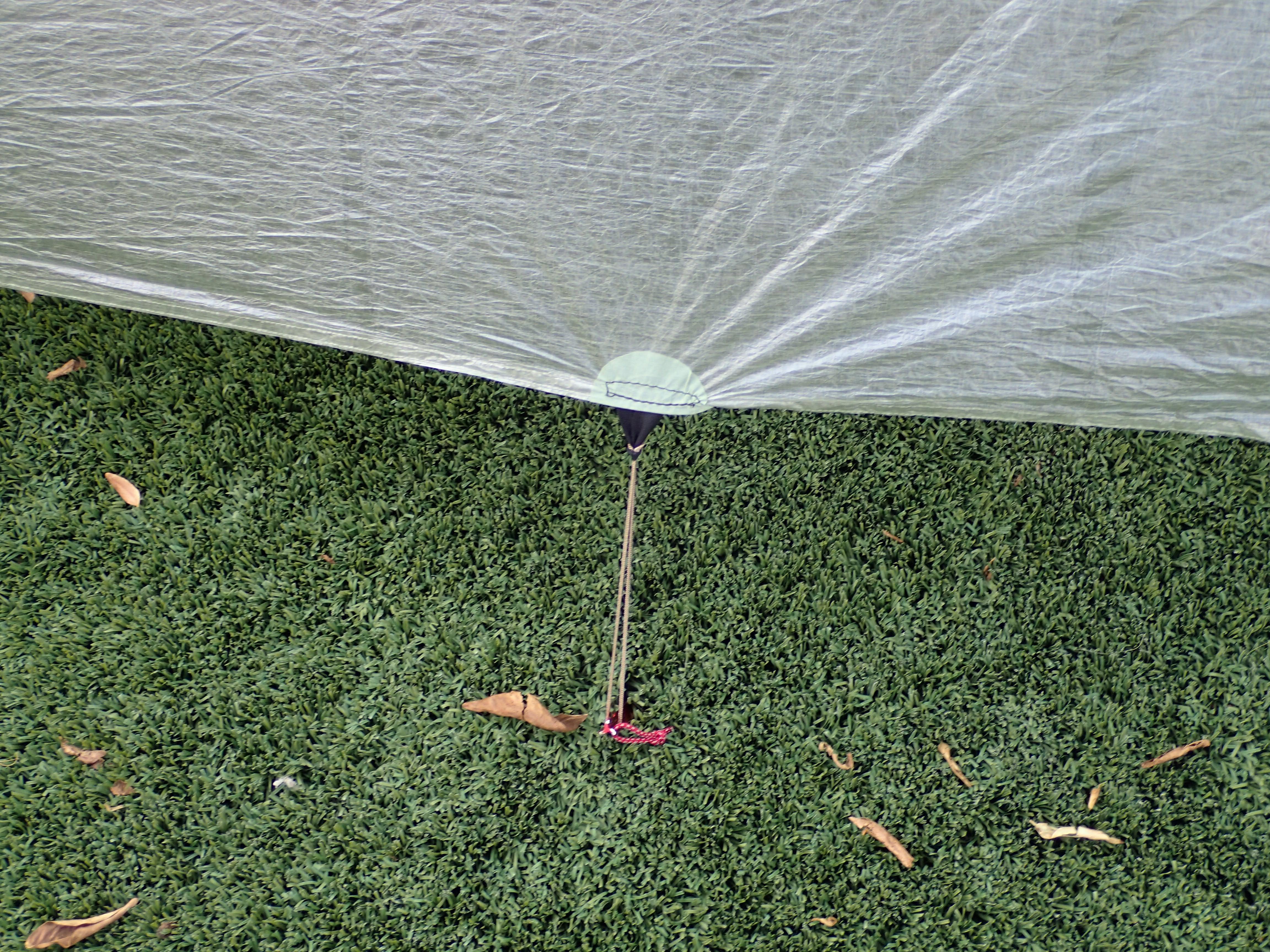
 FLY HEM STAKE LOOPS