


I’d agree with you Jerry if I hadn’t already blocked you on another thread.
Link to the Challenger tragedy. It just says rubber o rings
https://www.space.com/31732-space-shuttle-challenger-disaster-explained-infographic.html
Topic
Become a member to post in the forums.
 .
.
I’d agree with you Jerry if I hadn’t already blocked you on another thread.
Link to the Challenger tragedy. It just says rubber o rings
https://www.space.com/31732-space-shuttle-challenger-disaster-explained-infographic.html

My most used winter stove is the Jetboil Joule. Typically works well to zero with an insulated base. I have never cooked below those temps with it. It’s what I had when my buddy’s failed this past weekend. I was testing a different stove the -25F evening.
It’s a heavy and clanky thing. But so far it hasn’t let me down. Curious about the weight I would save with an MSR Windpro, which I think it’s what my friend will try next. I think it would be about a pound, but not sure how thirsty it will be in comparison without the neoprene sleeve…
Hi Ian – it’s VITON with an N, not VITOL.
I am not going to argue about using nitrile instead of Viton at the (cold) canister end. In fact, I often do so.
I think the coldest I have been was about -17 C or 0 F. Cold enough.
Cheers
Oh so the O rings are NOT named after Vitol Russian Bear 5000 weight gainer?
Weird. The things you learn on BPL.
I didn’t feel a need to research what material was used in automotive applications other than HNBR (AC o rings) were allegedly superior in durability and cold temperatures.
I know a little about automotive A/C o-rings <smile>
Until the ‘90s we used the black NBR o-rings. Those systems used R-12 refrigerant (dichlorodifluoromethane). R-12 was banned in the ‘90s because of a big hole in the ozone down by where Caffin lives, and all new cars came out with R-134a refrigerant (tetrafluoroethane).
The black NBR o-rings are chemically incompatible with R-134a and the PAG compressor oil used in those systems. They required HNBR o-rings, which are green, so we dumb mechanics would know the difference. That is why the green o-rings are used today, not for temperature or pressure ratings. Plus we mechanics can’t read, so the engineers and lawyers color code.
When the R-12 supplies were gone, repairs to automotive R-12 A/C systems required a conversion to R-134a. A proper conversion required replacing all NBR O-rings with HNBR, along with a bunch of other work.
I bought my first liquid gas stove 49 years ago and still use it. I have a few other liquid stoves bought years ago and still in use. Never had an “incident” with any of them. I do read the instruction manuals and perform all required preventative maintenance on all my stoves. Viton o-rings and seals are safe and effective for liquid and gas backpacking stoves. They are incompatible with many kinds of “legal” modern refrigerants, but okay with liquid and gas stoves.
HNBR is okay with diesel fuel and the new blended gasoline fuels such as e85. Not recommend for gasoline. NBR not recommended for e85, but okay for gasoline.
Plus we mechanics can’t read, so the engineers and lawyers color code.
You reckon? I was told it was so the lawyers could tell the difference. :)
NBR not recommended for e85, but okay for gasoline.
Ah so. I seem to remember being told that some older petrol engines were not compatible with the new e85 (gasolene with added alcohol). I think we were told it had something to do with the rubber parts. That figures.
Cheers
AFAIK HNBR is compatible with gasoline and gasoline alcohol fuel mixtures.
To keep it germane to BPL, there are some stoves that burn unleaded gasoline
https://rahco-rubber.com/materials/hnbr-hydrogenated-nitrile-butadiene-rubber/
Just read through a few more manufacturer fact sheets.
There is an outlier, one saying HNBR isn’t great for alcohol or alcohol blends, the others saying it’s good to excellent.
Many are saying that it’s better than Viton for tear strength and abrasion. That along with its better low temperature performance would make HNBR better imo for most applications where there is a fitting that is subjected to movement (eg hoses, fuel cannister fittings, etc).
I’m sure in applications where they are installed once and not subjected to constant friction and movement in below freezing temperatures, Viton is a great option. For my Jeep’s fuel injectors I see Bosch uses Viton.
Never had an “incident” with any of them.
That ain’t livin’! ;)
There is probably a standard/specification set by SAE (society of automotive engineers). But I’m okay with Viton for my stoves.
Well sure
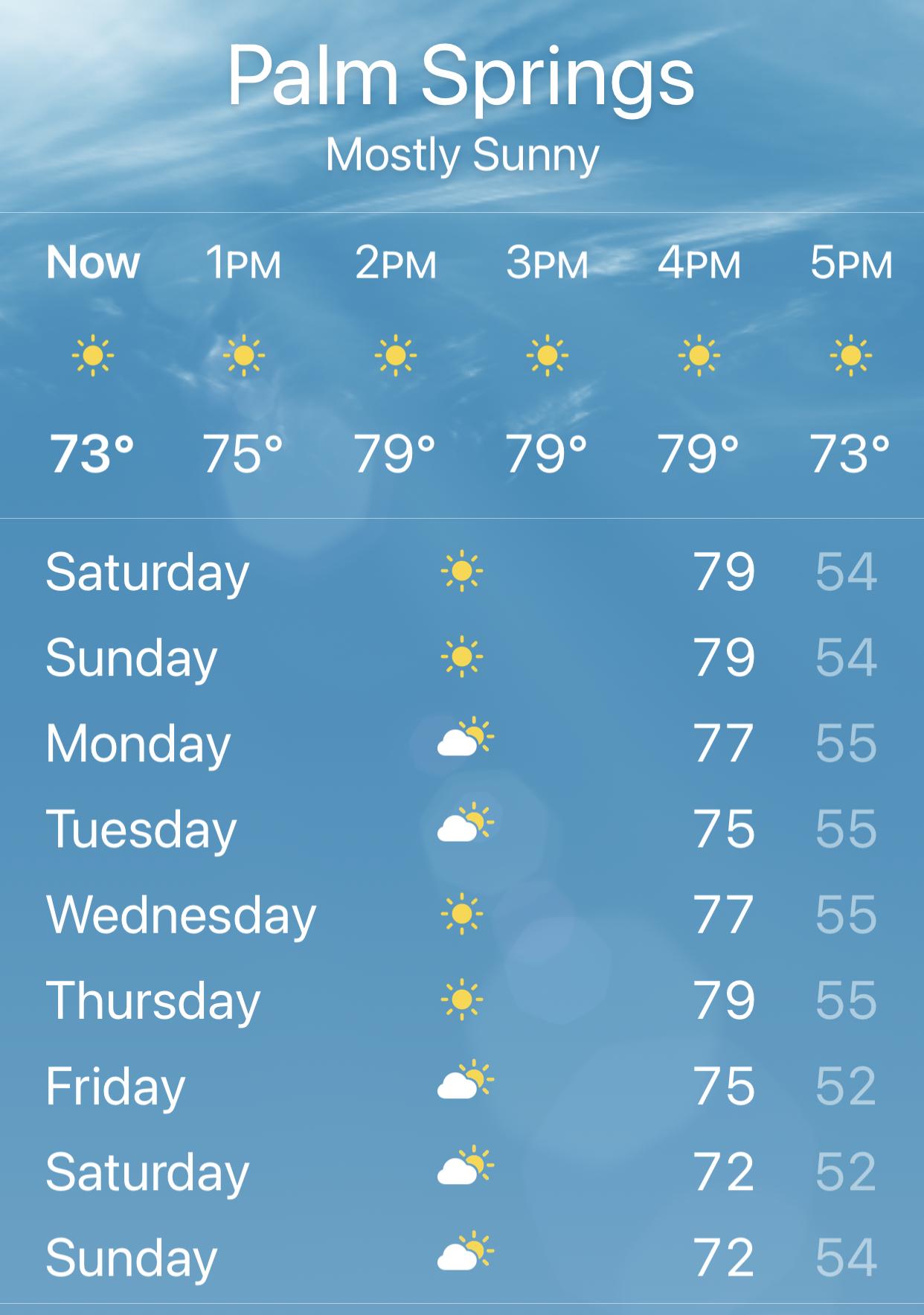
But it’s pretty dang warm here right now too


18 F in Richland?
That is uninhabitable like the rest of east of the cascades : )
A bit off-topic, but ngatel wrote:
“When the R-12 supplies were gone, repairs to automotive R-12 A/C systems required a conversion to R-134a. A proper conversion required replacing all NBR O-rings with HNBR, along with a bunch of other work.”
I heard that this fear was way overblown and that by using a certain additive in the R12 system there would be no problem switching to R134a. I converted an R12 system years ago and had no problems (but I no longer have the car so it’s possible the system fell apart after many years and I don’t know it). Maybe it depended on the type of O-rings in the original system, in my case, a 1991 Honda Accord if I recall, converted in 2012 or thereabouts, and still running as far as I know.
Elliott,
Yes, there are “quick” conversion kits. The problem is those conversions don’t work well in hot climates where people use A/C much more often. Plus R-134a operates at different pressures than R-12, so other components (such as a new low pressure switch) should be changed.
Was pretty common for people to drive from LA to Palm Springs in the summer and end up in my shop because their A/C wouldn’t cool all of a sudden.
The old o-rings aren’t going to immediately fail with R-134a.
Become a member to post in the forums.
 Magic 100 Sleeping BagMinimalist 900-fill-power down sleeping bag with a 55°F | 13°C comfort rating. Weighs 8.46oz | 240g
 © Beartooth Media Group Inc.
 Loading...