“When you say the amp draw on some of your rechargeable headlamps is low, that just means that they take longer to charge, yes?”
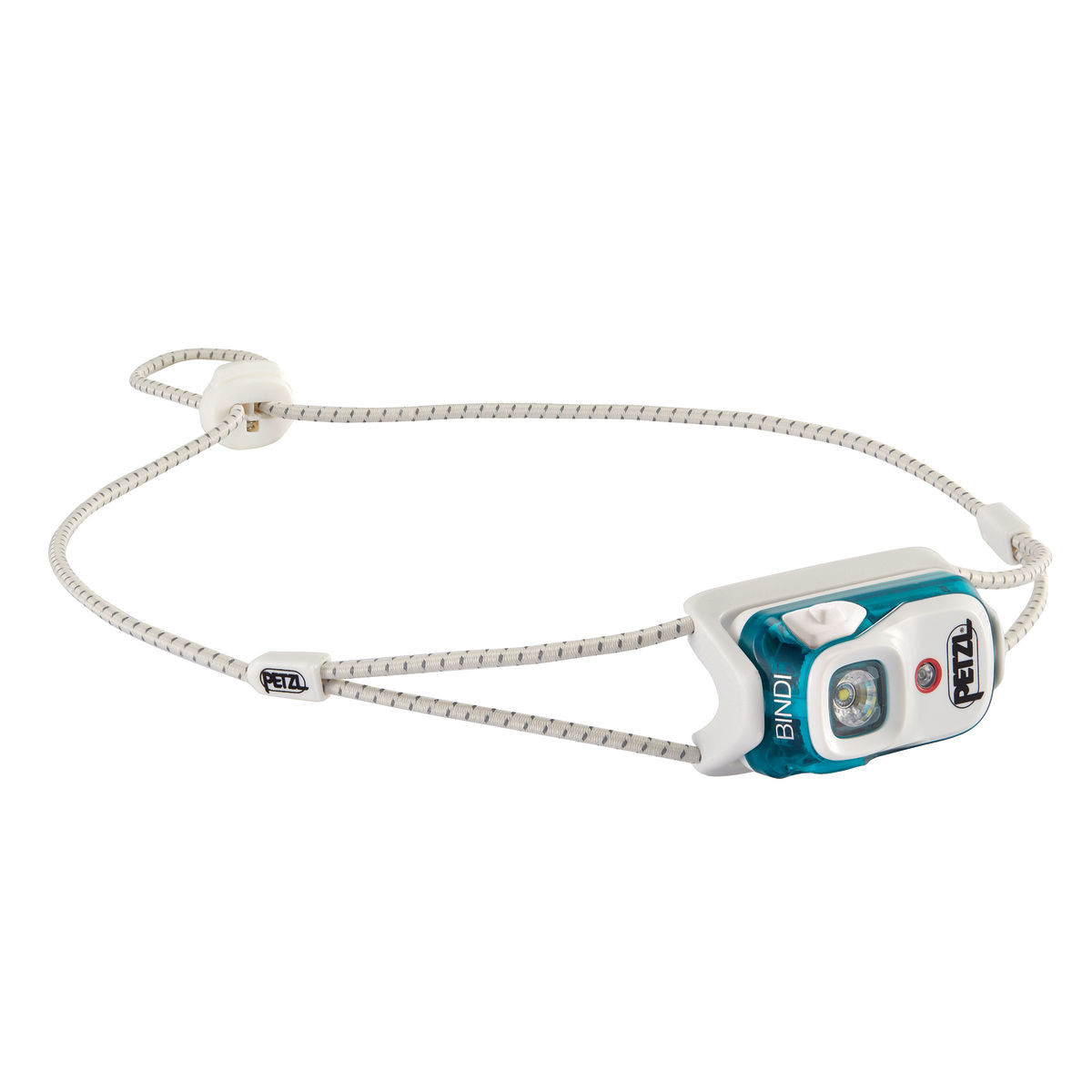
John, yes. Each battery chemistry has a particular, ideal, rate of charge. Regardless of its size. Example: the large lead-acid battery in your car, a small one for a scooter or a bank of them in a golf cart should all charge over the same period of time, just at different amperages corresponding to their capacity. My current favorite headlamp, the Petzel Bindi, is pretty small but gives me plenty of 1 lumen time (reported as 45 or 50 hours, measured by me as 51 hours) which is enough for an established trail but also goes to 200 lumens for a bit of route-finding, etc.

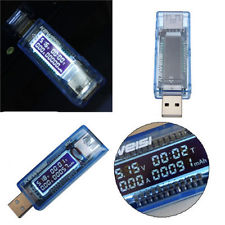
But even that little battery takes several hours to recharge, albeit at a low amperage. More broadly, I’m liking my rechargeable Bindi headlamp, small (half a thumb drive) handheld LED light, larger Nitecore TIP 360 lumen compact handheld light, and my rechargeable UV SteriPen. Earlier this year, I run them all down while timing/counting the use, wrote all that data on the devices themselves and now leave for each trip with a fully charged device and no extra batteries. Previously, with replaceable batteries, there was always that debate about putting new batteries in versus risking the battery being low versus bringing an extra set.
“Or would a slower draw somehow lead to lost energy?”
Hopefully the Powerbank doesn’t have a lot of standby losses, but I don’t know. When you turn it on, you’re energizing some circuits but hopefully those use little more energy other than their output.
I like short, multi-outlet charging cables. 6-12 inches long. 2, 3, or 4 outlets. Then any wall charger or powerbank can be charging multiple devices at once.