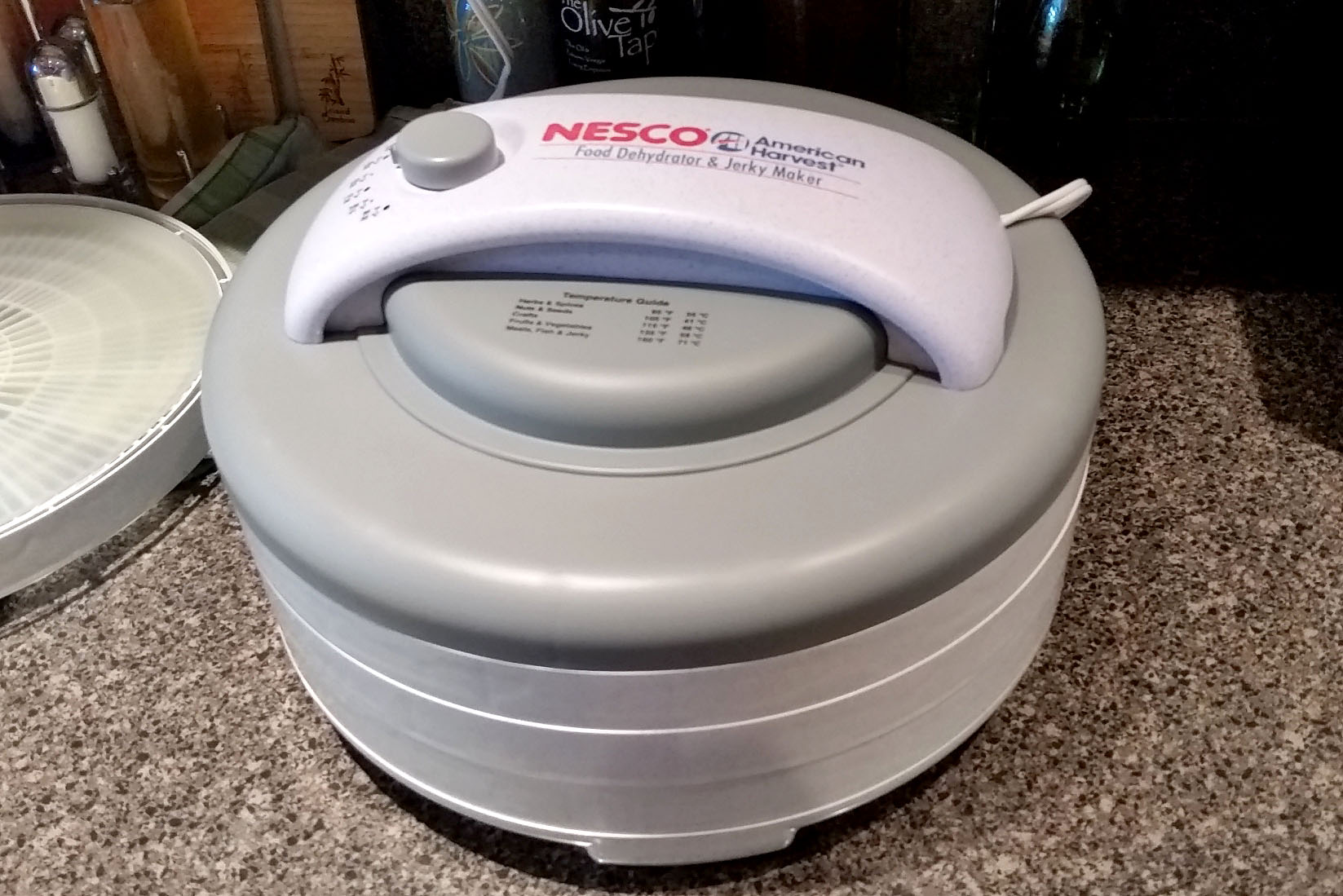
I’m like Bob (everybody wants to be like Bob). My approach is to buy the Mountain House #10 tins of goodies when they have their spring sale. Then the next time temperatures and humidity drop way down (usually late December-early January), I’ll go to work on the food packaging for the next year’s worth of meals. I’ll also do most of my dehydrating then too, since humidity is very low, and it helps heat the house.
The MH ingredients get mixed and matched, like adding chicken and peas to the mac & cheese, and adding a favorite spice or two. Every meal is portioned to yield 450-500 calories, and then it is vacuum sealed. These have an incredible shelf life in my cool,, dry, and dark basement pantry, up to 4-5 years.
The dehydrated foods also stay good, but only for 2-3 years. Meats with high fat content need to be stored in the freezer. I vacuum seal the FD things separate from the dehydrated items, since they rehydrate a different rates (FD is faster of course). Also, some dehydrated items take much longer to rehydrate than others. For example, I have to soak my dehydrated Vienna sausage slices and Spam dices (very high cal/ounce meats, although I figure I lose ~10% of the fat during the dehydration process) for quite awhile to soften them up, whereas the dehydrated Bush’s beans that I combine with them come back fairly quickly.
Keep in mind that some of my meals require pre-soaking, as well as a little simmer time in camp. This can get a bit fuel intensive, and I use a light dedicated simmer pot w/lid, but I don’t much mind that if I can eat well and get lots of tasty calories. If I am hiking in grizzly country, like Glacier or especially Yellowstone, I take a safer approach and simply eat MH Pro Pack meals.