There is an argument for both a more-breathable WPB and a more waterproof layer, although it is challenging when trying to keep the entire load ultralight.
Ponchos are great for the combination of ventilation and weather resistance. A belt solves most issues with wind, and a sleeved “mountain poncho” solves all of them. Roger Caffin shows how to MYOG a mountain poncho, and explains their use in more detail, including photos.
Off-the-shelf versions included The Packa, Timmermade MegaZip Poncho, Altus Atmospheric, and 3FUL’s new front-zippered mountain poncho. Timmermade likes DCF because it is stiffer so that it stays off of parts of your body more than softer fabrics that drape more.
The Packa is perhaps the most sophisticated commercial poncho, and can handle just about any weather (similar to Roger’s Mountain Poncho). It weighs a few ounces more than the other ponchos listed here, but has more features. I understand that he has a new fabric coming soon, which should help with the weight.
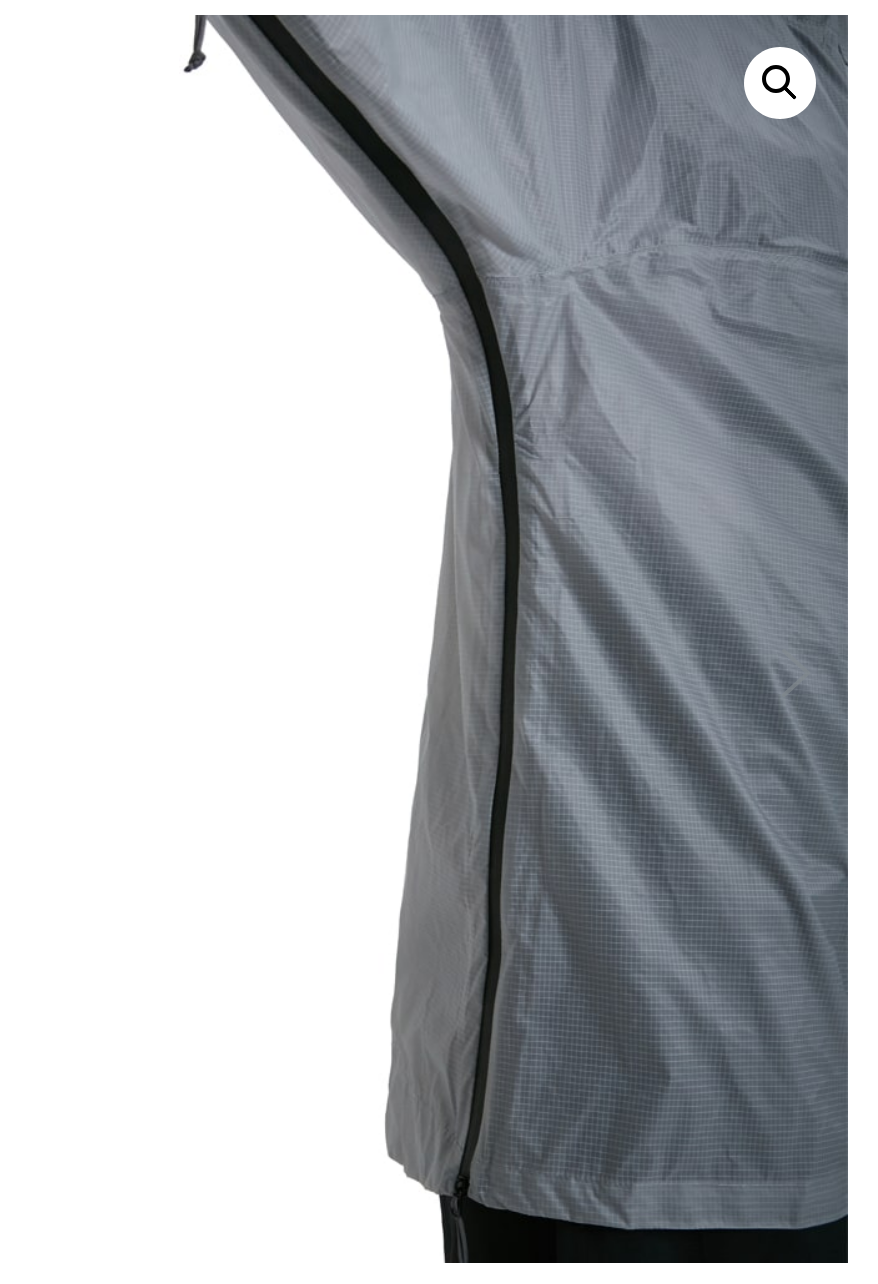
There are some fully waterproof jackets with long torso zippers, such as Timmermade MegaZip Jacket and Rock Front Rain Hoody. LightheartGear and AntiGravityGear make waterproof jackets with pit zips. They are light and pack small, but anything worn under a pack gets pressed against your body, which cuts ventilation to zero in that area. They are best for occasional use. Ponchos are more comfortable for all-day use.
At the low end of the spectrum, I cut open emergency ponchos and close them KamSnaps or cords for flow-through ventilation, similar to this poncho mod. The result weighs 3.5 oz and costs less than $10 (1.5 oz with a $1 poncho). It’s pretty good for occasional use, although not as sophisticated as MYOG or the Packa. Price and easy availability make it a worthwhile experiment.
For legs, a rain kilt if your poncho is not long enough by itself. They go on/off quickly regardless of footwear, and are much more ventilated than pants. To me, rain pants are best for cold windy rain, like above treeline or in some particularly windy and cold places.
A kilt can be augmented with tall gaiters to give you full coverage while remaining easier and breezier than pants.