David, yes, you surely need another stuff sack.An eVent small compression/dry sack is around 7×16 inches but you won’t use that much space. It actually compresses all your sleeping cloths/socks as well as a down bag. Then compresses up to about 10″ long. I have used a small size for my Super Stretch 0 (long) bag. Don’t worry about compressing the snot out of the down. Unless it is very damp or wet, you will be fine for about a week. Compression does not really hurt down. So, the eVent bag will help.
You likely need smaller gear, too. But be aware that some items are actually heavier. Small stuff vs weight vs pack room has been my problem for over 30 years.
1) Learn what to bring for food. Dehydrated, high calorie density food for starters. Look up calorie densities of the foods you would like to bring and reject anything less than 110C/oz or 110C/28.5g. Potato chips are good at ~160C/oz. Don’t be afraid to scrunch them down, you cannot swallow them whole. Rice sides, high density food bars, peanut butter spreads, nut snacks, etc. Your food should get down to about 1.4 to 1.6pounds per day. IFF you have extra “belt-line” you can go lower for up to a couple weeks. You can burn off around 1/2-3/4pound per day at around 1800C-2400C per day. 7 days will mean you loose between 3 and 5 pounds. I usually plan on around 2700-3000C per day and loose a bit of fat in the mean time. That’s what fat is for, storage for high energy exertion like hiking…
2) Small stuff. A small 3.25oz pot, a small 3oz stove, a small tarp (6x9min,) small lights, water treatment, sleeping pads, etc. Sometimes you’ll find that a rolled CCF pad is a LOT larger than a neo-air, even though CCF is lighter.
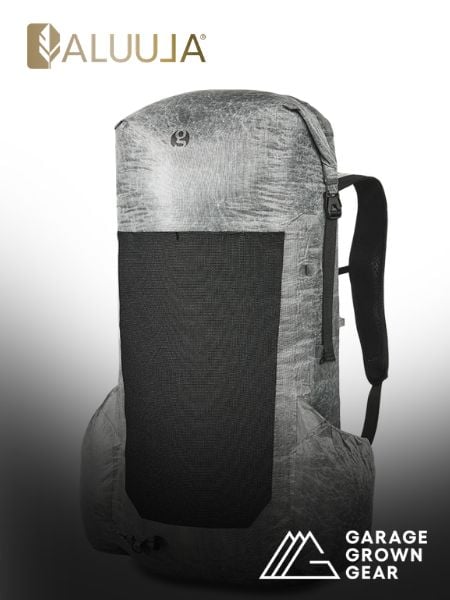
3) That pack is probably not the best for going light, it weighs over 5pounds. If it can be returned, do so and look at something like Z-Packs at around 20-24oz.
4) Cloths are a big killer for most. As Mike C. says, it is OK to stink when you are hiking. But a quick rinse at night at most campsites with hater works pretty well. Just use your bandana as a wash-cloth, wring it out really well and use it as a towel. Then rinse it out again. This will keep body gunk from stinking and causing sores. No change of pants. Get quick drying nylon ones and rinse these out every day, too. Same for your hiking shirt. You can wear your long johns around for nights in the back country. Or bring 1 pair of UL shorts/swimming trunks. You will need a good sweater/jacket. Get a down sweater for around camp and rest stops. Have a wool sweater otherwise. Wool usually has pours allowing it to breath really well and with a light rain jacket over it will keep you warm down to about 32F while hiking. A couple pair of socks, rinse one pair out while the other pair is drying. Sleeping socks are for sleeping, only…fluffy ones that do not need a lot of durability.
5) Depending on where you travel, select your water bottles accordingly. I use two 1/2L bottles and an empty 2L platty. I use a Steripen to make water as I go. But, unless it is really a hot, dry day, you should be fine with three liters carried most of the time. I keep a spare set of batteries handy, around 3.75oz for the ‘pen and bats. Small, no hoses, quick and easy to use. Yes, it is slightly heavier than a filter or AM drops, but, you don’t need to carry water between watering holes, …well, maybe one or two full bottles.
6) Tents are both heavy and require a bit of fussing around. I use a tarp, but if you are in bug country, you may need a screen tent. My GoLite Nest weighs a pound, my tarp weighs about 17oz. Unless it is bug season, I don’t need the Nest. Cuben/DCF will be a lot lighter for the tarp. And it sets up around and/or over trees, from a lean-to, from a line, etc…super flexible.
You will find it all fits into a 35L pack for 2 weeks at around 25pounds (23-27pounds depending on the weather.)