Topic

Neoprene Footwear for Wet and Cold

Viewing 4 posts - 1 through 4 (of 4 total)
Atif Khan BPL Member
PostedApr 20, 2022 at 9:40 pm

How is your experience using neoprene footwear in wet and cold (-30F to 35F) conditions from the perspective of:

1. Warmth;

2. Fast drying times;

3. Weight.

Just trying to streamline my winter footwear system by possibly replacing the VBL (when active)/down (at rest) combination with just having neoprene to serve both active and rest purposes (assuming all other foot layers remain equal).

This is the line that gave the initial reason for pause: “At colder temperatures and low to moderate exertion our socks were only slightly damp, but at higher exertion our socks were quite damp. We also found that the neoprene fabric absorbs a lot of water, especially in wet snow.” (Rietveld, Will; Lightweight Footwear Systems for Snow Travel Part 2: Components).

PostedApr 20, 2022 at 11:30 pm

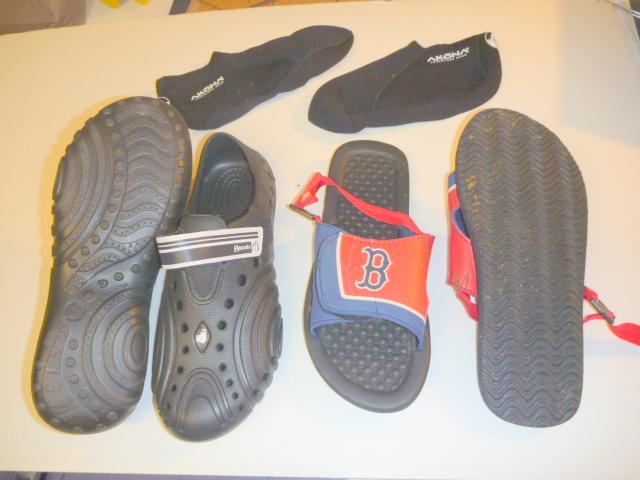
This may not be helpful; however, I have used neoprene dive sox to insulate water crossing shoes, and protect my feet in the cold when having to leave the tent briefly.

In both types of situations they have kept my feet warm in circumstances that could be much worse.  For example, in spring runout, streams can be extremely cold, and on leaving the tent, I can keep my feet dry when walking in wet grass, or just needing to be outside in a cold rain at night to relieve myself or fix something on the outside of the tent.  For this second type of use, I do not use anything additional on my feet, as the dive sox are the type that have a very thin sole that provides some traction.  The goal is also to avoid having to keep my dry socks and/or  tent booties from getting wet.

For crossing streams, however, more traction is needed, so use shower shoes over the dive sox, which look like this – note that a heel strap as been sewn on for stability:

water shoes

The Dive sox and water shoes have been effective at keeping the feet warm in conditions that are very uncomfortable, and possibly even threatening, in terms of frostbite or numbness that interferes with negotiating loose, rocky stream bottoms in a strong current.

However, the dive sox have not been used under the boots for hiking.  So don’t know how that would work out.

Atif Khan BPL Member
PostedApr 20, 2022 at 11:37 pm

This is helpful Sam. What temperatures are you talking about and how were drying times at those temperatures?

Eric Blumensaadt, a former ski patroller, regularly recommends diver socks and I hope he will share his experience on my questions above for the benefit of the broader audience.

PostedApr 20, 2022 at 11:56 pm

Atif,

Well, conditions on crossings are frequently cold enough to create frostbite during runout.

Hang them on the outside of the pack after using.  By the end of the day, they are dry.

Viewing 4 posts - 1 through 4 (of 4 total)
Loading...
