Topic

MLD DCF Super Monk Tarp – 5.7′ X 9′

Viewing 21 posts - 1 through 21 (of 21 total)
PostedDec 10, 2024 at 4:12 pm

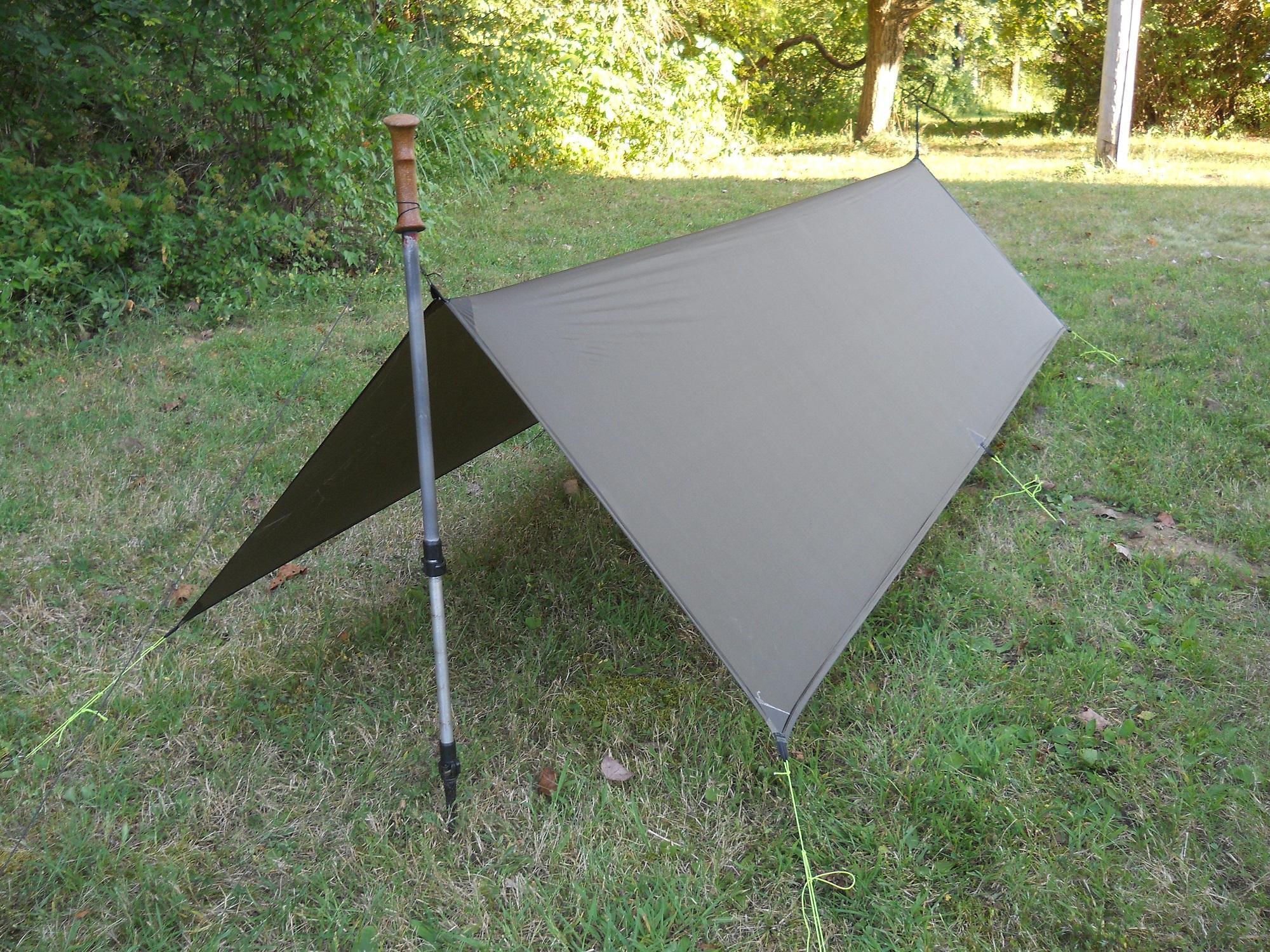
Perfect sized solo tarp. Quality and value is unmatched. You can choose .5 or .75 DCF. Weights are 5 oz and 6.5 oz respectively. Tarp has 14 tieouts which includes 12 perimeter (with Linelocs) and 2 mid panel. I’d go with the .75 and have the ultimate solo tarp. I would also have solace of mind knowing the build is supreme and that the Super Monk can stand up to ferocious winds. No sag and very little water retention. It’s a bargain at $235.

https://mountainlaureldesigns.com/product/monk-flat-tarp/

Paul S BPL Member
PostedDec 13, 2024 at 9:06 am

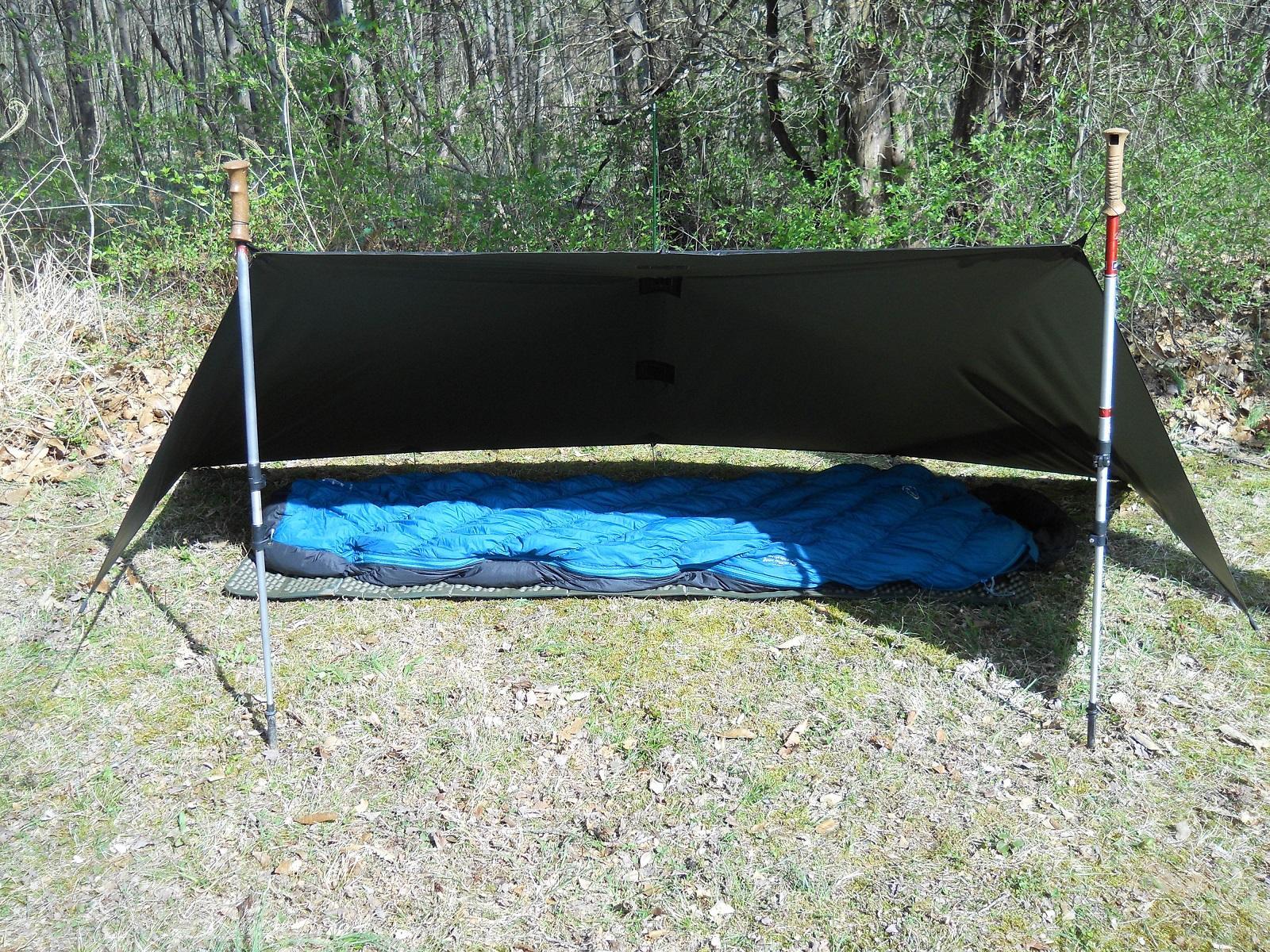
Nice! As a Monk owner, I’m really tempted. I’ve found that I can make my Monk work in the mountains—I’ve used it in bad weather and above the treeline with high winds. While it’s obviously super light, the downside is that, because it’s so small, you’re basically pressed against the dirt. You have to pitch it with a peak height of only a couple of feet. Bigger tarps give you more room, obviously. ;-) Maybe a Super Monk would be more practical in that respect.

Murali C BPL Member
PostedDec 13, 2024 at 10:13 am

Above tree line when it is raining sideways – do you use your rain jacket to cover the opening?

Murali C BPL Member
PostedDec 13, 2024 at 10:25 am

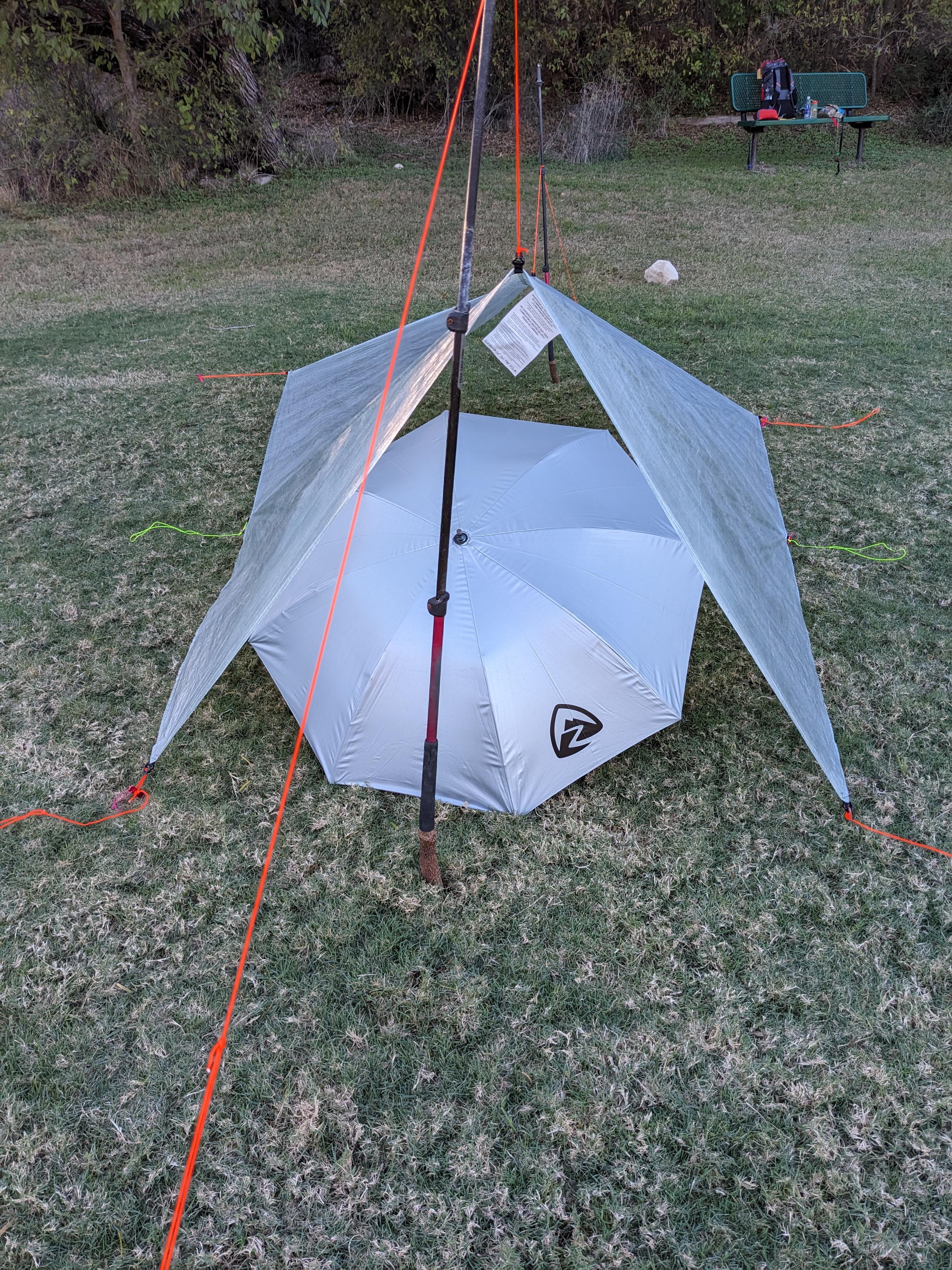
I am trying to convince myself I should carry this 7×9 tarp from Zpacks on the PCT desert section. I will be carrying an umbrella – so I could do this to prevent side ways rain from one side. The other side can be low – 2 feet or so. Comments?

dirtbag BPL Member
PostedDec 13, 2024 at 12:11 pm

A 7×9 tarp you should be just fine.  I used my Borah Gear 7×9 tarp in the White Mountains NH  and it was torrential downpours.. heavy heavy rain and I kept completely dry underneath it. I do use my bivy , but even that did not get any splash on it.  My usual solo trips I carry the solo silpoly bivy 5.8 × 9 and even that I stay dry underneath. . Plenty of nights rain and light snow. Though the 7×9 is nicer for more room. I can even sit in my chair under there while it’s raining and enjoy the views.

dirtbag BPL Member
PostedDec 13, 2024 at 1:28 pm

@Paul S..  props for making the Monk tarp work!  That is some tight quarters there for sure.

John Brochu BPL Member
PostedDec 13, 2024 at 2:45 pm

I think 7 x 9 would be ok too. For years I used a 8L x 5W x 4.W cat cut tarp in the Whites paired with a light bivy for ground protection and to add some splash protection, and I only rarely had issues. But I have moved on to a tent now as I’m too old to be crawling around doing gymnastics under a tarp when tent weights are close enough these days (for me at least) to a tarp/bivy combo.

Jerry Adams BPL Member
PostedDec 13, 2024 at 3:45 pm

good idea murali

when I have had raised edge tarps with rain, it’s usually good, until the wind shifts and starts blowing the rain inside

another problem with raised edges is it doesn’t do as good in the wind.  Better to have all edges close to the ground, like a mid.

PostedDec 13, 2024 at 4:07 pm

The 12 perimeter tieouts on the Monk Tarp allows for a lot more pitches, such as the double pole holden (below) with 5.7′ X 9 MYOG silpoly.

PostedDec 15, 2024 at 5:25 am

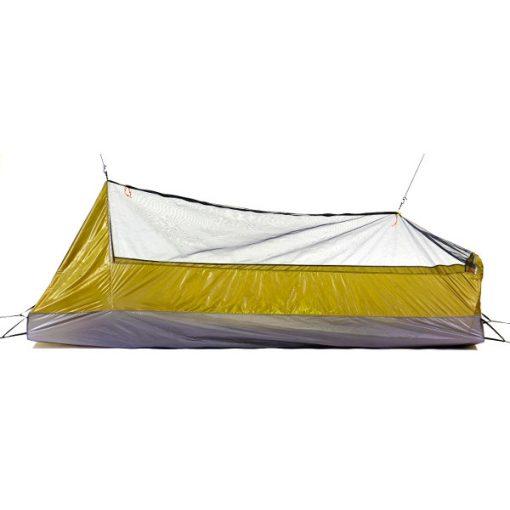
The Monk Tarp at 5′ wide is only about 4″ wider than most poncho tarps, so if caught out in a major blow the night could be long. However, the extra 8.5″ width on the Super Monk makes a huge difference in terms of space and protection. MLD Super Monk paired with an MLD Bug Bivy 2 (7 oz) would only be 12 or 13.5 oz total. The Bug Bivy 2 is 27″ high and has much more rain-spray/wind protection with its 10D DWR coated panels over the regular 24″ high Bug Bivy. It’s basically a partial solid inner.

I know most people will say 5.7′ X 9′ is too small and I get it, but everything is a compromise. For example, a smaller tarp doesn’t have as big of openings on each end (A frame pitch) to let in as much blowing rain, nor is it near the windcatcher of a larger tarp, thereby making it more wind worthy. You can also find camp spots a lot easier because you don’t have as big of a footprint. And a lower profile is much better for stealth too. Lastly a smaller tarp is of course lighter.

The tarp vs tent debate has been played out for decades and when many say that tents nowadays are so light and advanced they can have much better protection and easier set up with a tent at nearly the same weight, it’s very logical. Nevertheless, it still comes around to the tarp’s number one advantage over tents….VERSATILITY.

Murali C BPL Member
PostedDec 15, 2024 at 8:41 am

My Altaplex tarp is 7.5 oz and provides 360 degree protection – but, yes, you do need a big spot to set it up while a flat tarp can be set up with minimal footprint. I still need to convince myself that a flat tarp will be storm protective – which is what keeps me from trying it. I just need to do it!

The biggest advantage of tarps are the volume it takes in a backpack. My Altaplex tarp or the Zpacks 9×7 tarp are so small compared to Altaplex tent I recently bought here on BPL. I had forgotten how huge these things are. Crazy large. Most likely I will convert it to an Altaplex tarp by getting rid of the netting and foot print – which is what I did to my earlier Altaplex tent as I like tarps more – for example, you can get inside the tarp during rain and then unpack etc.

jim bailey BPL Member
PostedMay 26, 2025 at 2:37 pm

Was thinking the same as Monte when the MLD Super Monk hit the market. Great combo when combined with the Bug Bivy 2. Also own the original Monk and will be bringing this along on longer trips with potentially wet weather and attach as a front vestibule area for cooking/hanging out in as needed for a minimal added weight. For majority of trips the Super Monk’s coverage should be fine with the extra width along with site selection in most conditions.

PostedMay 27, 2025 at 11:54 am

Nice, looks like .75 DCF. The Bug Bivy 2 is tempting, mainly because it’s bigger than the regular MLD Bug Bivy, however in warmer overnight temps (> 72* F ) I’m afraid the solid walls would suffocate, especially with added humidity.

Yea Jim, packing the extra 52″ X 108″ DCF Monk Tarp is clever and in .5 it probably only weighs about 3.2 oz (without Linelocs).

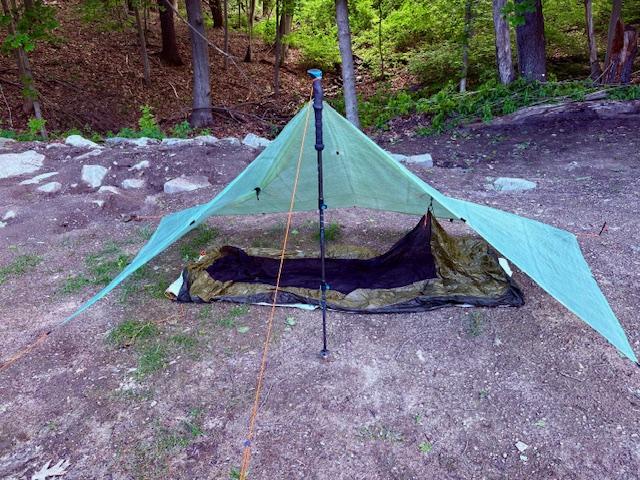
Here’s a 5.7′ X 9′ silpoly tarp in A-frame mode with sides about 2″ off the ground. Decent rain protection if the winds are low. Underneath is MYOG XL bug bivy with 4″ bathtub floor (all netting). That’s where’s the Bug Bivy 2 would provide more protection. Of course you can fashion the extra Monk Tarp over the end of an A-frame.

I often take a 7D MTN silnylon 54″ X 108″ tarp as an extra, it’s about 2″ wider than a Monk. Weighs only 1 oz more (4.2 oz) but retains a lot more water and stretches far more than DCF.

Adam BPL Member
PostedMay 28, 2025 at 6:04 am

I was thinking (on my long run) today, that for me it might make some sense to build a monk-size tarp out of the RBTR 7D MTN Silnylon. Even though I want to build my next shelter out of silpoly to avoid the water retention characteristics which always annoy me.

My thought process was most of my bushwalking in South Australia is pretty dry, especially in the Flinders Ranges. Basically an unlucky trip up there (for 2-4 days) to be rained on, and especially to be rained on for two nights in a row (its basically impossible for it to happen for three, as just about all winter rain up there is extended cold fronts that will pass through). Even if you are, it’s dry enough that you can get the shelter out on a morning break for half an hour to dry it out in some sun. So, silnylon is perfectly fine for that and I’m sure the 7D MTN will hold up durability wise for a long time (often sleep under the stars…).

So I might order some of that soon.

How did you find it to sew, Monte? Any tips?

PostedMay 28, 2025 at 10:19 am

The 7D is definitely more challenging. I’d order an extra yard to practice, cut out reinforcements and make stuffsacks.

I use a 70/10 Schmetz Universal needle and Mara 80 thread. After cutting out desired tarp size with rotary blade I double fold a 1/2″ hem around perimeter. I start by measuring and marking with soluble pencil all around edge of tarp 1″ and 1.5″. Then I fold once and lightly pin. Next I take a warm iron (lowest setting) and go over fold, removing pins as I progress. Do the same to 2nd fold, but make sure to heavily pin before sewing.

The trick to sewing super light materials is to pull with both hands just the right amount. Pull too much and the thin fabric will stretch and deform, too little and the hem will look bunched up and accordion like. With my Janome home machine the finished product will look a little accordian like regardless, but it’s fine when pitched with tension. The pros have better machines to mitigate that issue.

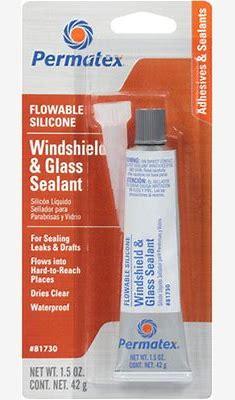
Practice with different tensions and stitch lengths. I like about a 3 on each with my machine. Also bonded reinforcements with Permatex Flowable Silicone are highly recommended and they require an involved multi-step process to get them to bond properly, without needing any sewing. A sew line just makes a perforation where the tarp can rip. And I always like to use same material as tarp for reinforcements because the stretch is exactly the same (decreases failures). If you buy the 7D silnylon and want to do reinforcements let me know and I’ll describe the process. I can also share how I sew on 3/8″ grosgrain tieouts.

Bill Budney BPL Member
PostedMay 28, 2025 at 1:03 pm

If it isn’t too much hassle, I would am curious how you bond your reinforcements. It is the sort of knowledge that is good to have available when the mission calls for it.

Adam BPL Member
PostedMay 28, 2025 at 8:21 pm

Awesome info thanks Monte!

Yes if you could describe the reinforcements.

My intention was to use the same material for tieout reinforcements, we think alike.

PostedMay 29, 2025 at 4:10 am

Of course you’ll want to bond the reinforcements to the tarp before folding and sewing perimeter, that way you get 6 layers of material in which to sew grosgrain tieouts instead of 3 (without reinforcements). Measure and cut out 4 squares measuring 4.5″ on each side and then cut diagonally to get 8 triangles (if you only want 8 tieouts).

Be sure to measure accurately where the midpoint is on each side of the tarp and make feint marks with a silver Sharpie. Also measure midpoint of long side of triangle (not needed on corner reinforcements). Set the midpoint reinforcements on the tarp with marks matching up and then make very small silver dots around triangle about 3/4″ apart. Remove triangle and then thoroughly clean area to be bonded with odorless mineral spirits. Also clean triangle on side to be bonded (very important step). Let dry. Same process applies to corner reinforcements but they will be placed opposite from midpoints with triangle apex in corner.

You’ll need a roll of wax paper and a dozen 1″ wide disposable foam brushes. Place a piece of wax paper under spot you’re going to apply Permatex Flowable Silicone (don’t use anything else) to keep table clean as you brush it on. Dispense just enough Permatex on a small piece of wax paper to do 1 reinforcement because it can dry pretty fast and become hard to spread. Brush a layer of Permatex on tarp inside dots on tarp AND on side of reinforcements to be bonded (very important to do both). With a 2″ wide plastic scraper remove as much excess silicone as you can (wipe off excess on scraper with old rag or paper towel). Too much silicone will actually compromise the bond. Now carefully place reinforcement on tarp and purge major bubbles with finger. Then place a piece of wax paper over triangle and got back and forth over it many time with a roller applying a lot of downward force to get out all remaining bubbles and any excess silicone. This also increases the bond. Remove wax paper and place a clean fresh piece of wax paper over reinforcement. Now take a hardback book and set it on top (hard surface/table underneath). Put about an 8 lb weight on book (i.e. gallon jug full of water) and let sit for at least 18 hours. Then remove and let dry for 3 plus days before sewing on grosgrain tieouts. If all steps are done properly you won’t need to sew reinforcements to keep them to stay adhered.

The reinforcements hugely increase durability in strong winds, especially with the lightest silnylons.

Good luck. I really like some things about 7D silnylon. Weighs about .8 oz per square yard and packs down incredibly small. But when condensation sets in throughout the evening you will definitely need to retighten all your lines. The 15D Membrane silpoly is just too weak and the weight also creeps up, so unless you go DCF I think 7D MTN silnylon is the best SUL choice. 10D silnylon is unobtainable to DIY’ers as far as I know.

Jerry Adams BPL Member
PostedMay 29, 2025 at 8:53 am

that is good info Monte

I have done many nights, up to 30 MPH, a couple failures with 15D membrane silpoly, but they were “my fault”.  Like I put a rock on the tent stake but the fabric rubbed against it which abraded it.

Maybe there would be cases where I would set up tent taut, then get inside and sleep, then the fabric would get wet, stretch, become loose.  Yeah, the fabric would now be more in my face, but worse, if there was a wind gust, I think the loose fabric would be more likely to tear.  I go back and forth whether the lighter weight of the nylon is worth it.

If you use your foam brush to brush on permatex, it will then dry out and become a silicone squeegee.  Then you can use that for subsequent uses.  I’m a cheapskate.

I have 1/2 inch  hem at the bottom.  Or 3/4 inch.  Then, I can sew through 3 layers of fabric to sew on grosgrain.  No need for additional reinforcement.  This is more of a theory than verified by use.

For the corners, rather than reinforcement, I sew to the flat felled ridge seam which is 5 layers of fabric.  And the grosgrain goes up the ridge seam.  Actually, I use polyester grosgrain which doesn’t stretch much, and it goes all the way to the peak, to avoid the ridge seam stretching the fabric on the bias, but that’s another story…

Adam BPL Member
PostedMay 30, 2025 at 6:10 pm

Is this the Permatex Flowable Silicone that you mean, Monte?

Permatex Flowable Silicone Windscreen and Glass Sealer, 42 g : Amazon.com.au: Automotive


PostedMay 31, 2025 at 4:26 am

Yes Adam, that’s the one. You can probably find it at most any auto parts store in Oz, however I’m not certain about that.

Viewing 21 posts - 1 through 21 (of 21 total)
Loading...