I find the military surplus, heavweight, fleeced polypropylene “baselayers” (often labeled as “undergarments”) work very well as mid layers.
Density of polyester is around 1.38 and density of polypropylene is around .91. PP is more hydrophobic–acts like it has a DWR, but has it permanently so, and it’s the least thermally conductive material commonly used for fabric/clothing, so that even when it’s wetted out, it still provides some noticeable insulation.
I don’t know if there are hooded versions though, don’t recollect having seen one.
I don’t like PP for baselayers because it builds up and holds onto strong odor too much. But, it’s much less of an issue as a midlayer.
Personally, I don’t need a mid layer to have a hood since I often use a Cap 4 hoody as a baslayer–that combined with a buff or balaclava and a windjacket hood, has done me good down to near and just below 0″F temps (including a non hooded midlayer of some kind). At camp or rest, I also have a down jacket that has a hood. For me, a midlayer with a hood is redundant.
It’s a shame that polypropylene fleeced fabrics aren’t used more for mid layers, because that is where they most shine. Especially when you hiking near freezing temps and it’s sleeting and/or cold raining heavily, and some water gets in or through as it almost invariably does.
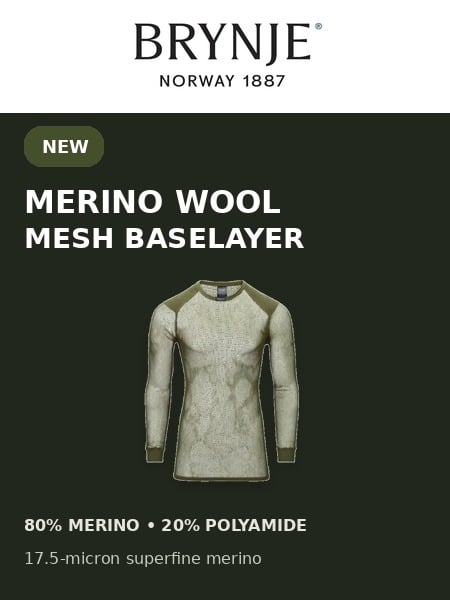
My favorite system for such extreme conditions, is either Cap 4 hoody or fishnet for baselayer (if using a fishnet, I put a thin, wicking polygiene treated polyester baselayer over it), fleeced PP for midlayer, then windjacket (or if it’s raining heavy enough, my MYOG WPB poncho over the windjaket). Deals with a wide range of temps and conditions very well. From around 0*F to near freezing and wet and miserable.