Topic

Mid Layering Over Brynje

Viewing 8 posts - 1 through 8 (of 8 total)
Zachary BPL Member
PostedNov 28, 2023 at 6:55 am

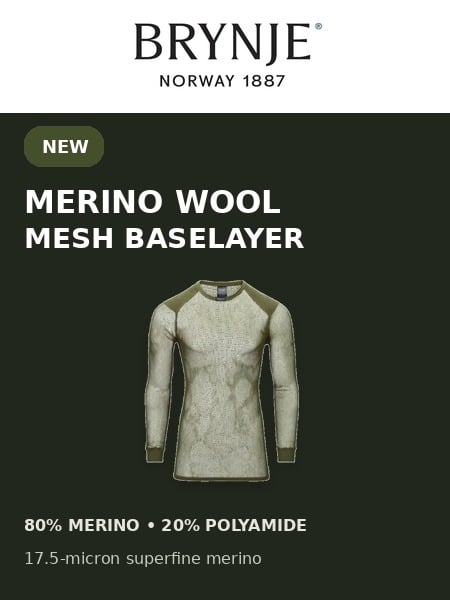
I am a fan of the Brynje Super Thermo line of base layers during winter backpacking because the material is both exceptionally “breathable” and hydrophobic, allowing me to use various types of mid-layers to “wick” the moisture away from my base layer.  Lately, there has been increased discussions in the community about alpaca wool vs. merino wool because they are natural fibers rather than synthetic.  My questions are:

  • What are notable/subtle advantages and/or disadvantages to using a synthetic base layer with a natural mid-layer?
  • What are notable/subtle advantages and/or disadvantages to using a natural base layer with a synthetic mid-layer?
  • What are the notable/subtle advantages and/or disadvantages to using the same type of materials (natural or synthetic) as both a base-layer and a mid-layer?
  • Does alpaca wool make a better mid-layer than merino wool?  Is fo, why?
Terran BPL Member
PostedNov 29, 2023 at 7:47 am

I guess I decided that I wasn’t a Nordic skier. The example of walking uphill and skiing down, I thought was a very good one. A good reason to be concerned with sweat. I personally don’t need such extreme moisture regulation. For the leggings at least, I found it more comfortable wearing a light alpaca base layer with the mesh over them. Instead of a warm dry pocket of air next to my skin, I have warm dry pockets of insulation. I don’t think there’s any one answer. I take the shotgun approach.

Bruce Tolley BPL Member
PostedNov 29, 2023 at 5:44 pm

I can only speak to this use case: “What are notable/subtle advantages and/or disadvantages to using a natural base layer with a synthetic mid-layer?” I use a merino base layer under a Patagonia R1 hoody  when snowshoeing with pack and snow camping 1, 2, or 3 nights and the occasional XC skiing with no pack.  Sometimes I will just wear a windshell over the base layer.  Under heavy exertion, the merino wool base layer can get damp so you need to “manage” the layers. Take off some…

The main advantages, no funk factor, wool feels more comfortable to my skin than synthetics.  And I use a synthetic puffy during dinner time, so  my base layer dries out which enables to go to bed in my down bag cozy as a kitten on a pillow.

Zachary BPL Member
PostedDec 1, 2023 at 3:18 pm

Terran ~

I had not thought of putting the mesh layer over the woven layer.  I’ll give it a try and see if it works for me.  Thanks for the idea.

Brian W BPL Member
PostedDec 1, 2023 at 3:34 pm

Don’t ignore wool thickness in your tests. In humid conditions I prefer thinner wool over thicker wool.

For example, I’ll get blisters with thick wool socks in highly humid areas like the southeast, but I won’t in the dry southwest.

PostedAug 8, 2025 at 11:26 pm

1.) Brynje polypro base layers are the warmest ALL DAY LONG B/C they create pockets of heat AND transport sweat away

2.) Alpaca wool, weight for weight, is definitely warmer than even Merino wool AND transports moisture better.

3. Alpaca base layer OVER Brynje polypro is VERY warm ALL DAY LONG. This combination is best for temperatures below 10 F. if wearing fleece or heavy wool for a mid layer under a shell.


Haakon R BPL Member
PostedAug 25, 2025 at 4:23 am

After 30+ years of (winter) backpacking, I’m still learning how my body responds to varying conditions and how to dress to mitigate discomfort.

Weather conditions, activity levels and heat sources/drying opportunities plays into my choices and varies from trip to trip, but there are definitively some notable trends:

In winter conditions I will mostly default to Brynje polypro mesh for my upper body base layer. It’s what I’ve found to be most versatile and stay comfortable across the widest range of intensity and weather. Late in the winter, when heat from the sun can get very noticeable (typically from late march around here) I may switch out my mesh shirt with a woven synthetic, so I can ditch my other layers for those big climbs and still have sun protection as well as a decency filter to protect my surroundings.
For my lower body I’ll typically opt for polypro mesh in mid winter, whereas early and late winter where temps may differ significantly throughout the day, I may opt for a polyester- or wool zip-longs.

I do however prefer the comfort of natural fibers against the skin, so for low intensity activities I may choose wool for my base layer even in the winter.

Independent of base layer, I overwhelmingly prefer synthetic mid layers for winter backpacking. They’re lighter, more packable, easier to dry and surprisingly I often find myself feeling warmer and more comfortable in synthetic mids. The exception from this “rule” is if there are social considerations (smell) or any plans to spend time around an open fire.


PostedAug 26, 2025 at 8:22 pm

I have to add the I will try my heavy Norwegian sweaters over the Brynje tops this coming winter. With that setup I may need only my down or fleece vest under my eVent parka shell. That’s because those heavy Norwegian sweaters are VERY warm.

Got my 2nd one in TROMSO, Norway last October and coincidentally it is made by the same company that made my LL Bean version, so said the woman running the store. She said the Norwegian companies copyright their patterns.

Viewing 8 posts - 1 through 8 (of 8 total)
Loading...