Topic

Lanterns and Battery Banks in Extreme Cold

Viewing 10 posts - 1 through 10 (of 10 total)
Volker64 BPL Member
PostedAug 18, 2026 at 1:23 pm

On long cold winter nights it’s nice to have a lantern of some kind to supplement a headlamp. I’ve used the Biolite Alpenglow in the 150 and 250 lumen sizes. Both stop working from cold once temps fall to the mid-20’s. I have found my Lumenaid inflatable cube light to function more reliably in cold weather, but I’m still not thrilled with it’s performance in cold.

Most winters I camp for several nights around 0F. My Nitecore headlamps have not had any issue with functioning in these temps. Haven’t really noticed the batteries to drain more quickly either.

I have a dimmable Ridgelight strip light which is powered by external battery banks and it works great in extreme cold. I put it in my freezer to test and it had no issue.

But that brings up the issue of battery banks in extreme cold. They will be subject to condensation which could damage them and eventually even lead to runaway overheating and a fire! My battery banks have all generally been able to hold their charge even in multi-day trips with temps frequently in the single digits. But I have noticed two of them have shown minor swelling, so I don’t use them anymore.

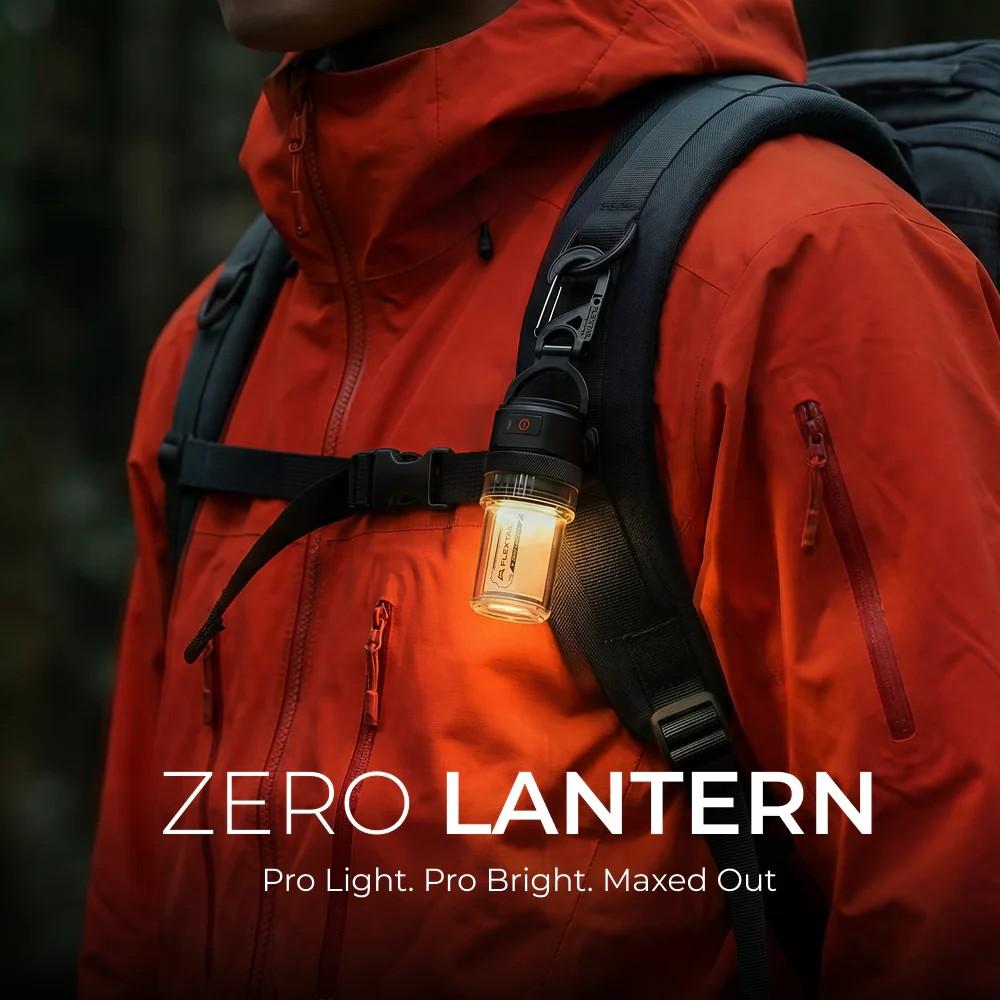
Obviously you can use a UCO candle lantern. But that puts out a dim light and the wax can spill and be a mess. Have any of you found any types of rechargeable LED lanterns that perform well near 0F temps or even a little colder? I know numerous types like the Luci inflatable light are only recommended for use down to about freezing. The Fenix CL26R (Pro or not Pro I’m not sure) has been said by google search to have circuitry to perform better in the cold.

David D BPL Member
PostedAug 18, 2026 at 5:38 pm

Hi Volker, I spent a lot of time investigating this a while back.  My conclusion was to stick to lithium ion and double or triple the battery capacity beyond what you need in summer.  It led me to the Fenix hm62t with its large rechargeable battery and light magnesium body.

Disposable Lithium batteries hold charge better in deep cold than even lithium ion, but they’re a bit expensive, you may need to carry backups and then there’s the extra ewaste

Volker64 BPL Member
PostedAug 18, 2026 at 6:06 pm

Thanks David.

I’ve gradually upgraded to increasingly power dense lithium ion power banks. You get much more mAh per ounce the larger the battery is (sort of like in real estate you generally pay less per square foot the larger your apartment is). For a while I was rocking dual 33,800 mAh banks that each weigh 11oz. Now my standard go to is a single 50,000 mAh bank that weighs 12oz. This is plenty to recharge my phone several times over 3 or 4 days with a good bit left over. Sometimes I will carry a separate much smaller battery like the Nitecore 10,000 mAh for 5.5oz, or the Nitecore 6,000 mAh for 3.5oz. These small ones are good for powering things like a dimmable ridgelight or a fan in summer heat and as an emergency backup [never wise to have all your eggs in one basket].

I’m already set with my Nitecore headlamps so I don’t need the Fenix HM62 T. I use the Nitecore NU25 – 400 lumens 1.6oz, and NU27 600 lumens 1.9oz for ultralight, and when I want to do evening walks in winter, I’ll bring the beefy Nitecore HC65 2,000 lumens for 5.4oz. Naturally I mostly use much lower settings than the brightest to preserve battery life.

According to google, Lithium ion battery banks generally work to charge things down to around -4F. But what is bad is to charge them up below freezing. That is easy to avoid. I bring a big battery bank so I don’t need to recharge in the field and there’s no outlet in the woods to recharge it from anyway. And I keep it in a ziplock bag to protect it from getting wet. And obviously you can store it in your pocket near your body heat to obtain a more functional temperature as you would your phone.

But since lanterns are meant to light up your campsite – maybe hanging from a tarp, they don’t benefit from being near your body heat. One idea I’m gonna try this winter is using a Nitecore Thermacell (electronic mosquito repeller) as a hand warmer. This in turn can work to heat up things like a butane canister, or a battery bank. Or I could turn it on and tape it to a lantern to keep the lantern battery warm enough to work. But this would be quite a complex workaround.

Volker64 BPL Member
PostedAug 18, 2026 at 6:12 pm

It occurs to me that another strategy for a working lantern in extreme cold is to place a white translucent bag over a headlamp and hang it from that. Headlamps seem to be much better than most lanterns in deep cold. The bag will diffuse it into a reasonably soft glow. And of course you can attach the headlamp to your head when you want to go for a walk so it becomes a dual use item. But a dedicated headlamp and a beefier headlamp as a lantern in a white bag is even better.

Marcus BPL Member
PostedAug 19, 2026 at 12:03 pm

A white DCF stuff sack cinched around an NU20/25 hanging from a branch or rope makes a great camp lantern for under 2oz and is multi purpose.

This is brighter and better than any dedicated camp light I’ve tried


Volker64 BPL Member
PostedAug 19, 2026 at 12:18 pm

An excellent point Marcus. I think you are right. I can also put my dimmable ridgelight in a white bag and it makes a very bright and adjust lantern with a warm glow. But your solution is the ultralight solution.

So I could wear my NU25 on my head, and put the NU27 in a bag for a lantern or vice versa – and make use of the color temperature adjustment feature. Together, those two provide a good amount of ambience and functional light for less than 4oz. The headlamp internal batteries seem to be much more cold resistance than those used in most lanterns.

I can also use an 18650 battery in my HC65 to do this. I’ve got spares of that battery I can bring. I think those batteries do well in cold too.

Still I do like the ambience of a dedicated lantern. I might go ahead and try the Biolite Luci inflatable lantern. I knows those aren’t designed to work well below freezing but I think they can take some cold weather. They are also a bit harsh and not well diffused but my frosted Luminaid inflatable cube light doesn’t hold air very well now.

Mark Verber BPL Member
PostedAug 19, 2026 at 3:06 pm

your NU25 will run from external power (or look for a light without built in battery). Keep a USB powerbank next to your body (under your jacket, inside your sleeping bag, etc) and run a usb-c cable to the light.

David D BPL Member
PostedAug 19, 2026 at 3:48 pm

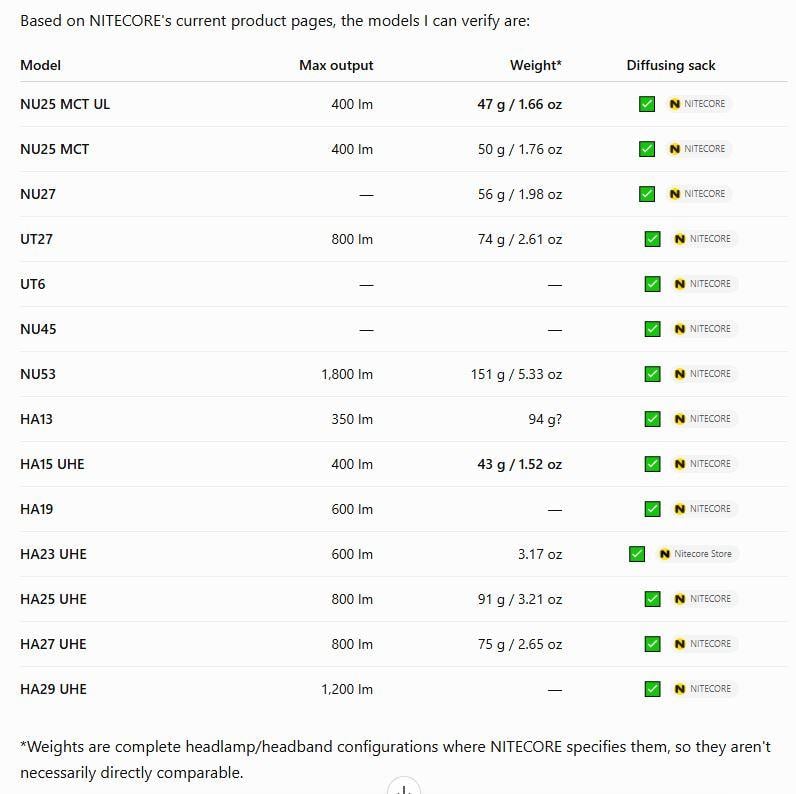
Since you had good luck with Nitecore batteries, they sell a bunch of models with a diffusing stuff sack.  ChatGPT:

David D BPL Member
PostedAug 19, 2026 at 3:53 pm

I’m seeing a trend to string lights for some thru hikers, but cold weather performance TBD.  e.g.: https://www.rei.com/b/nite-ize/c/electric-lanterns

I’ve seen this get some traction for diffuse light use: https://claymoreoutdoor.com/products/capon-40b  but again battery in cold is TBD

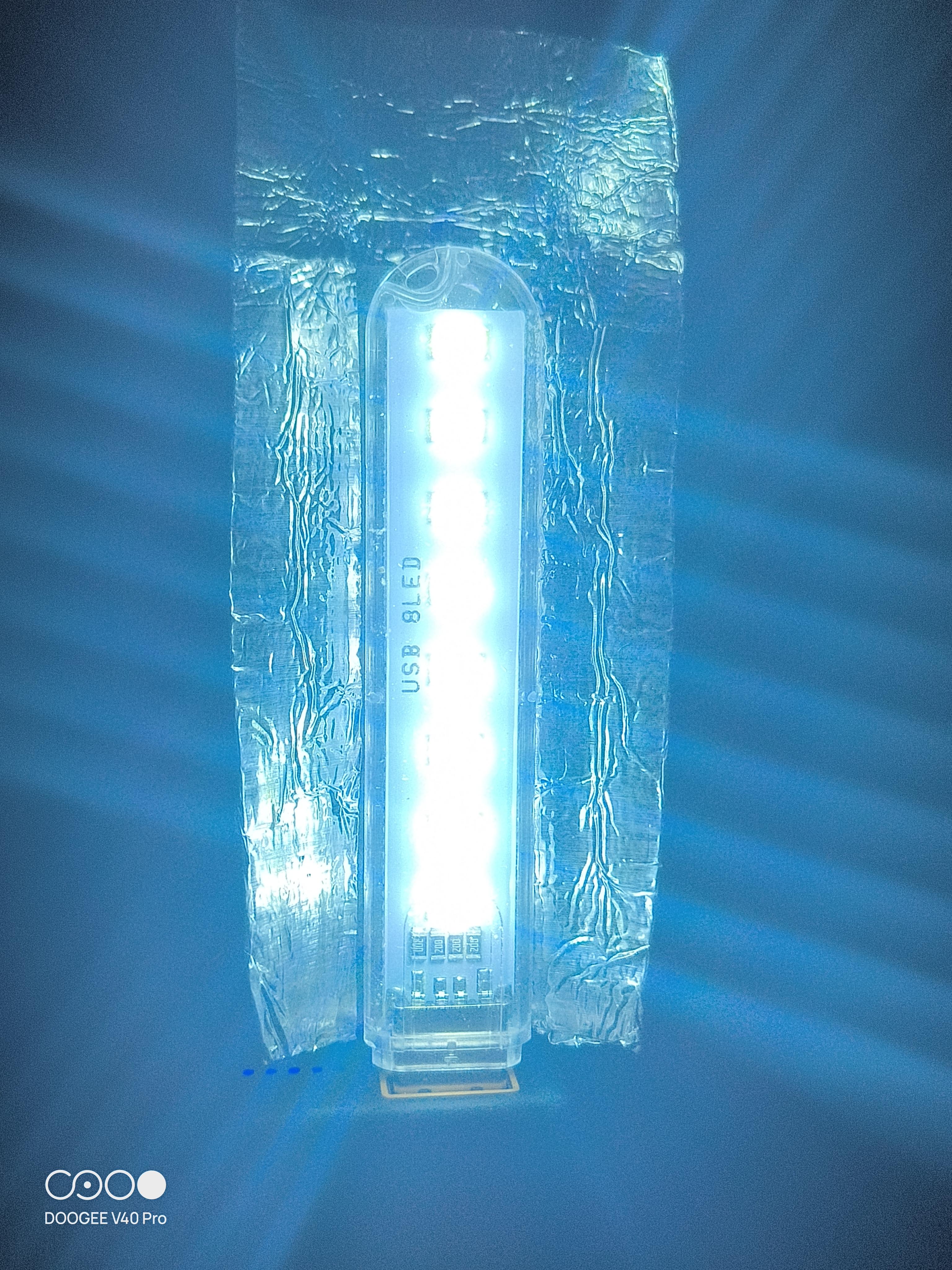
Then there’s DIY for the brave (put in a diffusion sack).  If you have a known good battery, its solves that problem

From my battery research when I bought my snowshoeing headlamp from the little public info available and acknowledging that performance can differ brand to brand:

  • Disposable Eveready lithiums (available in AAA, AA, CR123A) are the most-cold tolerant but expensive.   ~ 75% rated capacity at -20C @ 1amp draw
  • Li-Ion are the next best for cold, ~ 60% rated capacity at -10C, 50% rated capacity at -20C, ~ 25% rated capacity @ -40C
  • NiMH are not good in cold, ~ 80% rated capacity at 0C, 20% rated capacity at -20C
  • Avoid Alkalines, they freeze below 0C
Viewing 10 posts - 1 through 10 (of 10 total)
Loading...