WPB bivies are best and most efficiently utilized as:
1) An emergency overnight shelter that protects against rain, winds and adds a little bit of warmth. Great for just in case day hikes.
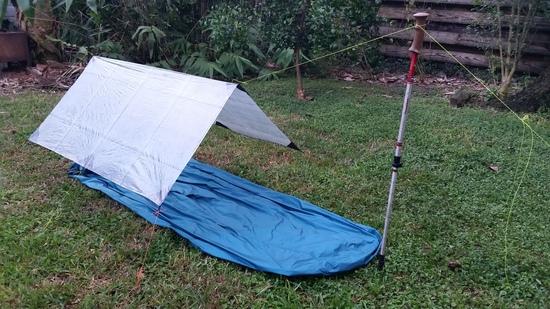
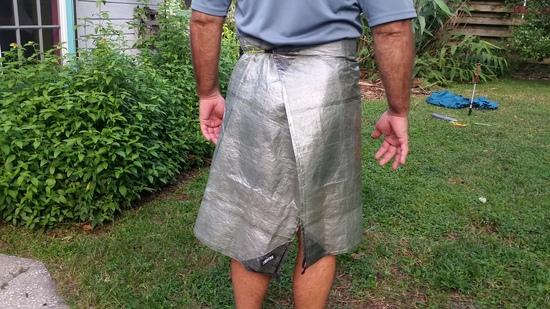
2) A stand alone SUL shelter that is made much more pleasant when combined with a mini tarp to cover head and torso. I’ve tried sleeping in a WPB bivy overnight in sustained rains before and I found that I go crazy without something to cover the head end. I use this 2.2 oz DCF mini tarp (52″ X 52″) which doubles as a rain kilt to cover my head and upper torso. Aside from lines and stakes it’s no added weight really, but it can make the night go so much better if sustained rains move in.

Mini tarp folded in half and utilized as a rain kilt.
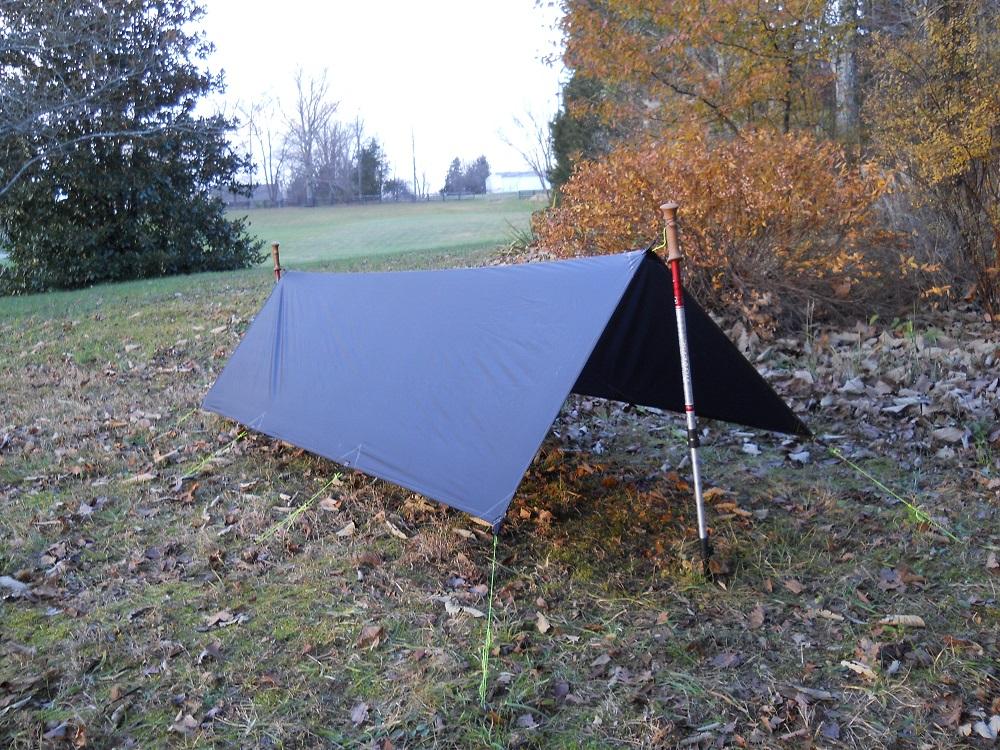
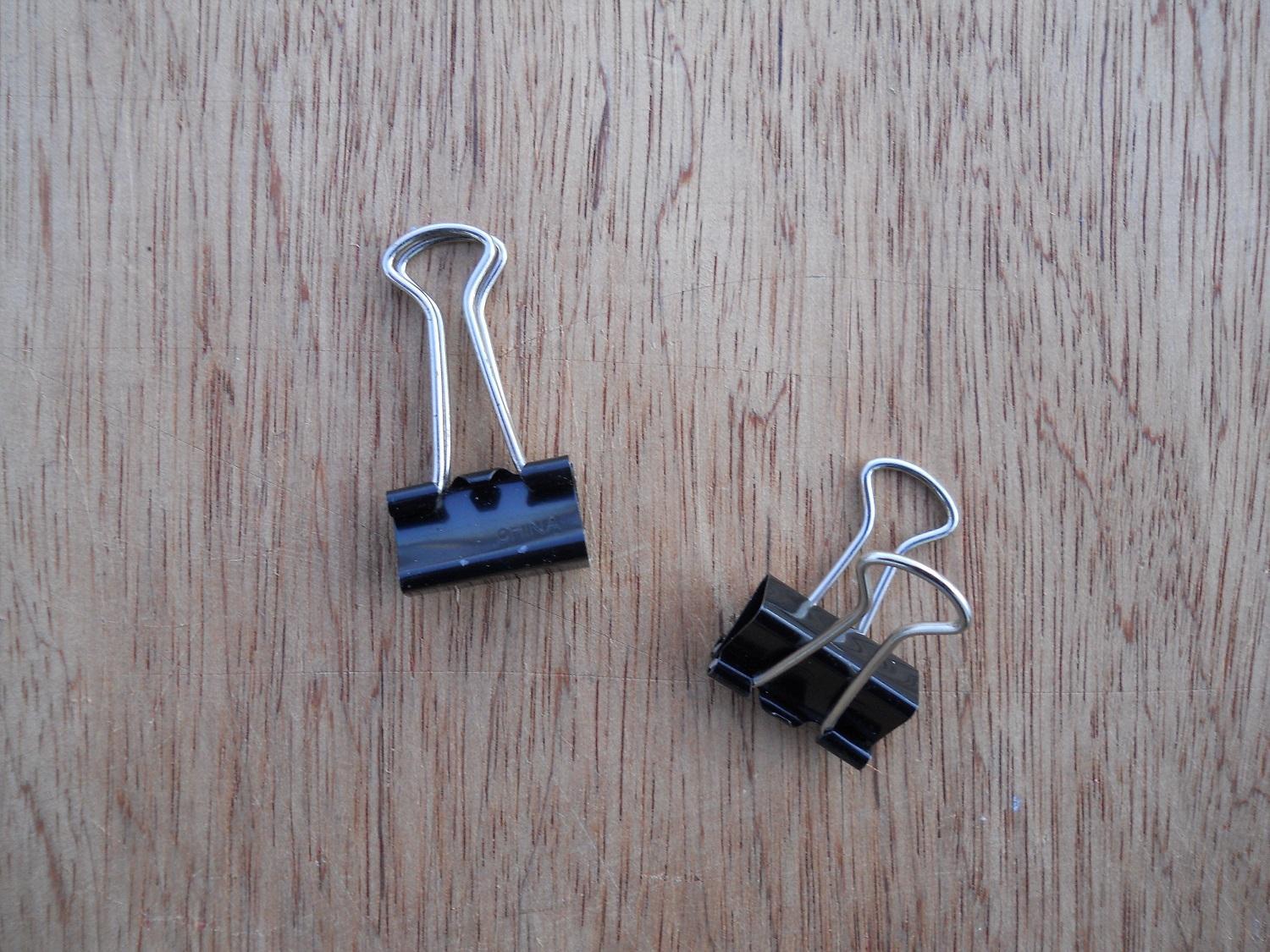
3) The next viable use of a WPB bivy is with a small and very light solo tarp like the 4.6 oz 7d silnylon tarp (57″ X 108″) in the pic below. With a small tarp the bivy is really needed in moderate to heavy rains, but with a larger MLD Grace Solo or Duo, which provides a lot more protection, I’m not so sure you can justify the bivy unless you take into account that it adds 5 to 8 degrees of warmth to your bag/quilt, and therefore allows you to pack a lighter bag/quilt. The problem with A frame tarps is that if you don’t have doors or some kind of vestibule(s) that can be attached you are vulnerable to blowing rains. Of course you can attach something like a rain kilt or rain jacket to the front (and rear) opening with small binder clips and it works well as long as the winds don’t get too strong.
With a WPB bivy the small tarp can be pitched higher and provide more space than what you see in the pic below.
4) And lastly some backpackers in very wet environments like to use a WPB bivy to keep the down in their bag/quilt from becoming damp. I hear that many who backpack in Olympic National Park and other temperate rainforests often use WPB bag covers like the Montbell Breeze Dry-Tec, but I haven’t seen it firsthand.