Topic

How to stop shell jacket from vicking water to the inside?

Viewing 9 posts - 1 through 9 (of 9 total)
PostedJul 14, 2022 at 6:29 am

Hey, debated wether to put this question here or in the MYOG forum, but here we go :)

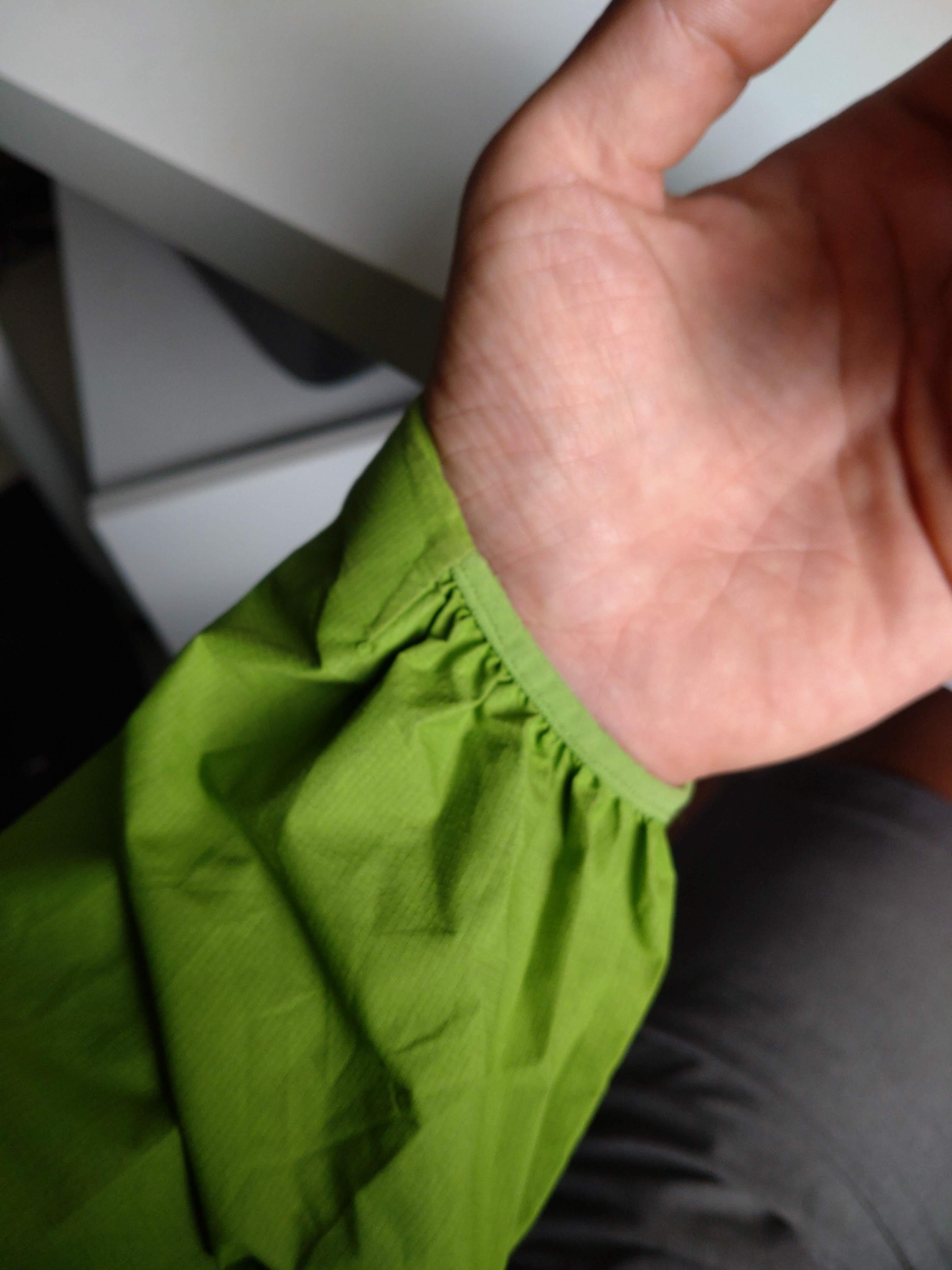
I have a Norröna Bitihorn jacket, overall I really like it. 230 grams-ish, durable enough for bushwacking and it has pit zips. But both the hand opening and the face opening wicks water to the inside.

I live in Sweden and 5 degrees celsius, rain and wind is not uncommon here in the mountain in the summer so alot of time I walk with my fleece or even puffy underneath and the arms always gets soaked. The main culprit is this piece of elastic but also the top where the fabric goes around the opening to the inside. Once its wets out it vicks water inside.
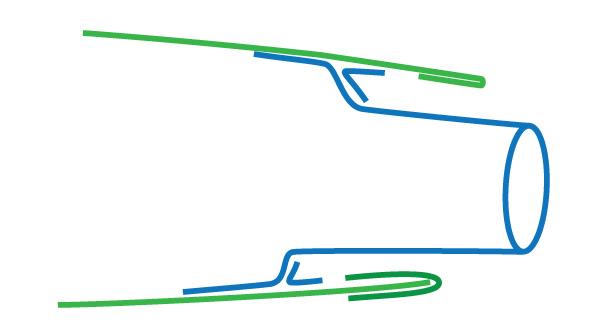
I have som ~50 gram/sqm dcf fabric that I’ve been thinking of taping to the inside like an extension sleeve. Anybody else have some clever ideas?

Blue is DCF with some reinforcements to make sure that its always loaded in peel.
 

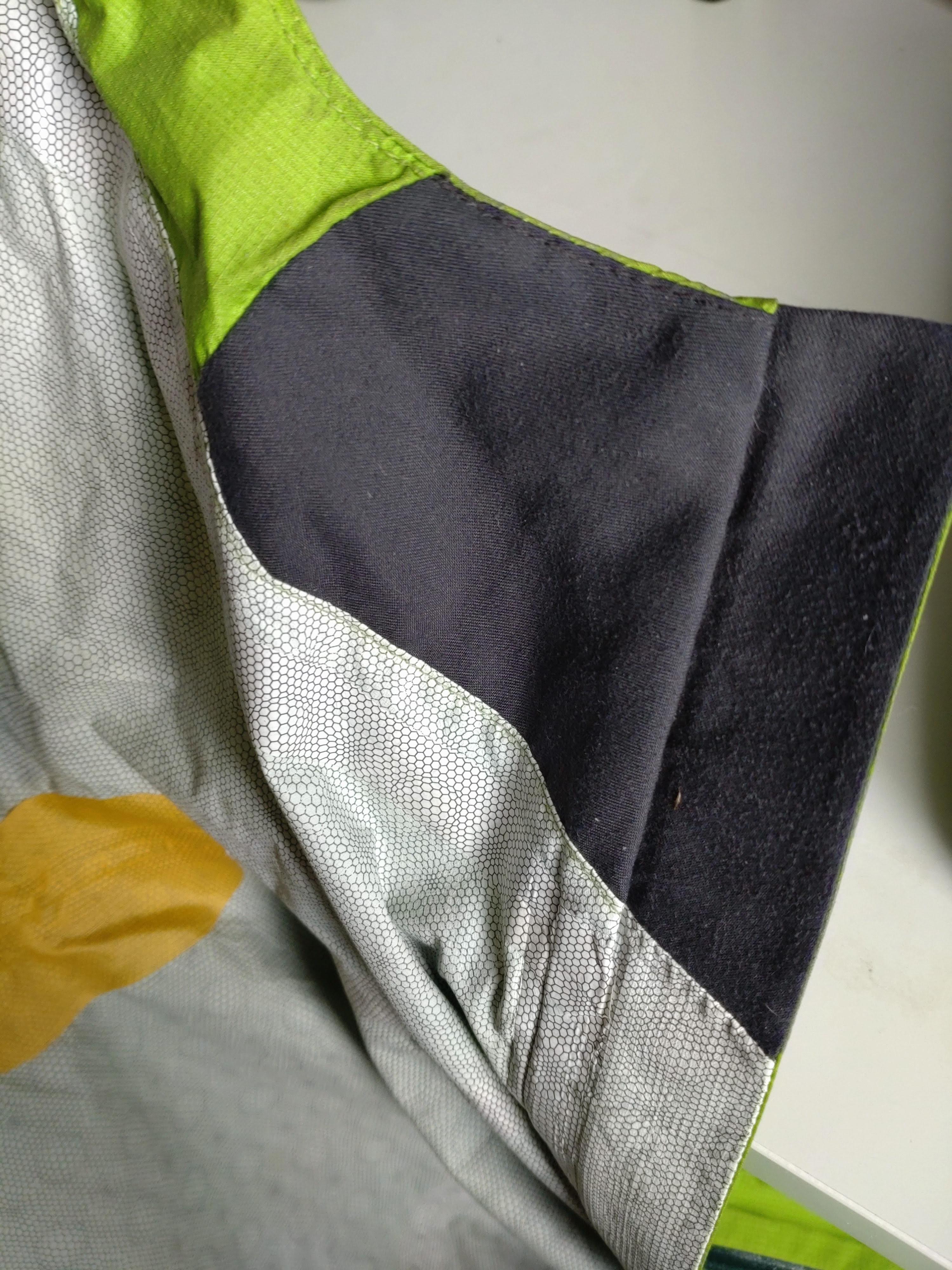
The face opening also tends to vick some water isnide but I’m not sure how to solve that one yet
Jerry Adams BPL Member
PostedJul 14, 2022 at 8:01 am

It would sure make life easier if the U.S. switched totally to metric.  I read something that someone in the UK is considering switching back from metric to special UK units.

Maybe you want to cover the elastic with a strip of fabric.  The strip of fabric folded over the elastic.  So the elastic doesn’t get wet and start wicking water.

With your design, the elastic will still get wet so it will still wick water.

Just brainstorming here

Jerry Adams BPL Member
PostedJul 14, 2022 at 8:03 am

I have made a number of jackets with a number of WPB fabrics and have never had water wick up inside.  I always just fold over twice and sew (that is, hem it).  There’s only one row of stitches that might let water inside.

PostedJul 14, 2022 at 9:52 pm

“Once its wets out it vicks water inside.”

“Blue is DCF with some reinforcements to make sure that its always loaded in peel.”

DCF (Dyneema Composite Fabric” is not a fabric.  It is a laminate that does not vent air or water vapor; but there are waterproof breathable forms of DCF.  If not the latter, the DCF inner cuff in your diagram may not breathe well, and is collecting water vapor that turns to liquid and soaks the inside.  If not, please provide more info about the inner cuff, if that is what the diagram appears to show.

When you state that “it wets out,” please advise what “it” is; the whole inner, or if just parts,  what parts.

Best guess so far is that the outer fabric and/or the cuffs around the wrists and hood, do not breathe well, and wet out the inner when you perspire.  But more info is needed.

Jacob BPL Member
PostedJul 15, 2022 at 11:23 am

Could gloves with cuffs big enough cover the end of the sleeve help?

I think I’ve seen gloves with inner and outer cuffs, maybe do a breathable inner cuff and dcf outer?

Rob Lee BPL Member
PostedJul 15, 2022 at 9:17 pm

Like Jerry indicated elastic absorbs water. If you have skills to sew something the diagram just simplify. Remove elastic & hem if sleeve is long enough. If that makes it too short just add a simple cuff extension with non-adsorbing fabric. Add velcro strap if you want cuff cinched.

PostedJul 16, 2022 at 12:52 am

“Once its wets out it vicks water inside.”

“When you state that “it wets out,” please advise what “it” is; the whole inner, or if just parts,  what parts.”

The original fabrics outside is a woven fabric, once that wets out it wicks water to the inside around the hem. This soaks by fleece and/or puffy inside and not just from perspiration.


DCF (Dyneema Composite Fabric” is not a fabric.  It is a laminate that does not vent air or water vapor; but there are waterproof breathable forms of DCF.

Well, I’ll claim its a fabric, it’s made from textile fibers and is flat :) But it might be a swedish vs american thing of what is referred to as a fabric. Anyway, this is exactly why I selected it for this applciation. It will not vick any water up the sleeve

The DCF inner cuff will be so small and close to the opening so the fact that it wont breathe wont really amtter. Ventilation through the opening will will greately exceed that of the original brethable fabric that will be covered.

PostedJul 16, 2022 at 12:56 am

Like Jerry indicated elastic absorbs water. If you have skills to sew something the diagram just simplify. Remove elastic & hem if sleeve is long enough. If that makes it too short just add a simple cuff extension with non-adsorbing fabric. Add velcro strap if you want cuff cinched.

The sleeves are unfortunately not long enough to redo them and hem without adding new fabric but, yeah, it’s something I also considered. I have both 2.5 and 3 layer fabric that I could use if I go that route instead

PostedJul 16, 2022 at 7:07 am

Dilute silicone at 10 to 1 in a pan and carefully dip the end of the cuff and let it wick up till the elastic is saturated. Maybe do it again after the first coat dries. My 2 cents anyways.

Viewing 9 posts - 1 through 9 (of 9 total)
Loading...