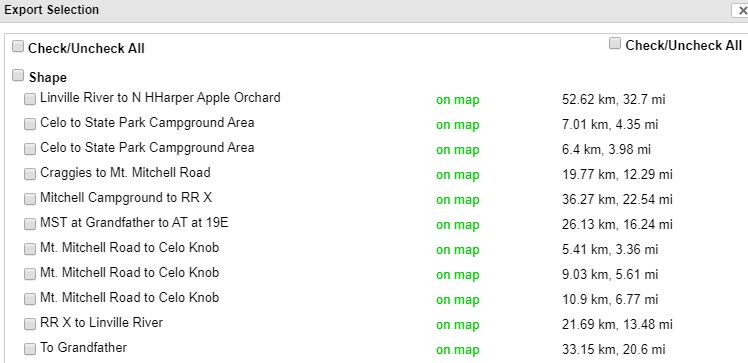
I added a version of Alex’s route to the map linked above; with the difference (I think) being approaching the Blacks from the south via the Craggies vs.the north via Celo or in the Middle by the state park? This route tags Celo and thereby the entire Black Mt. crest by doing an out and back along @ 6 miles of ridge (gorgeous and worth it imho. Highest ridgeline east of the Black Hills of South Dakota)
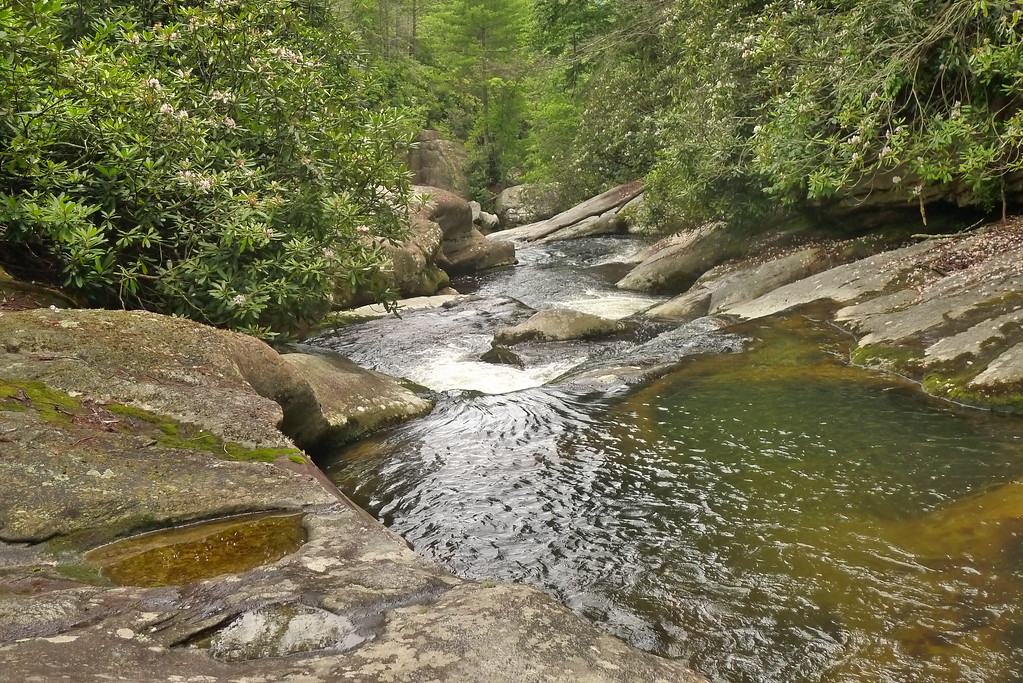
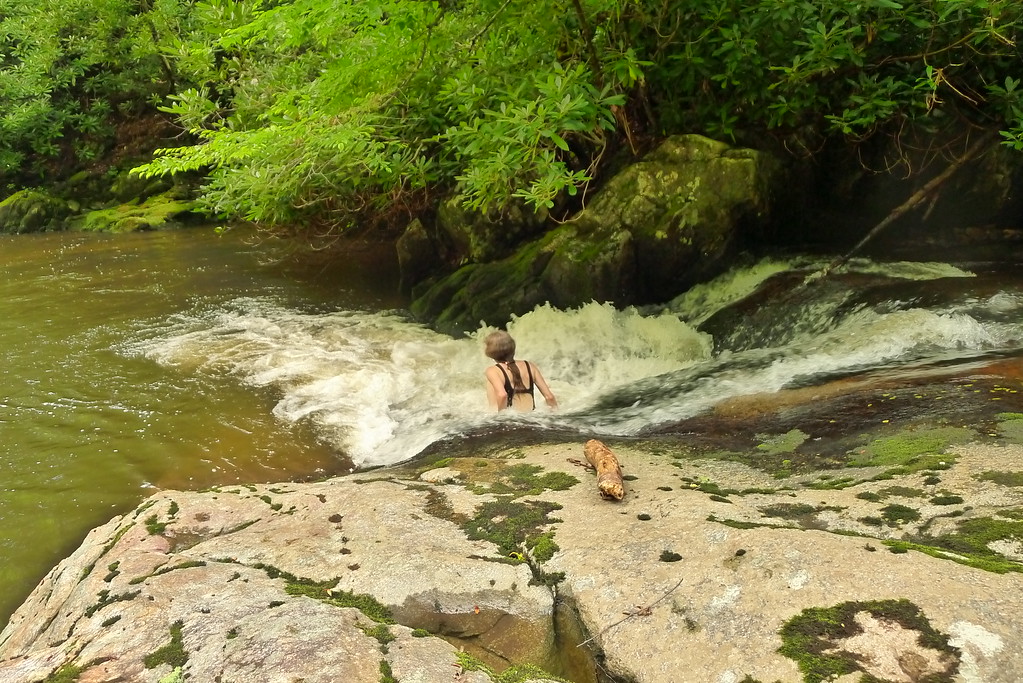
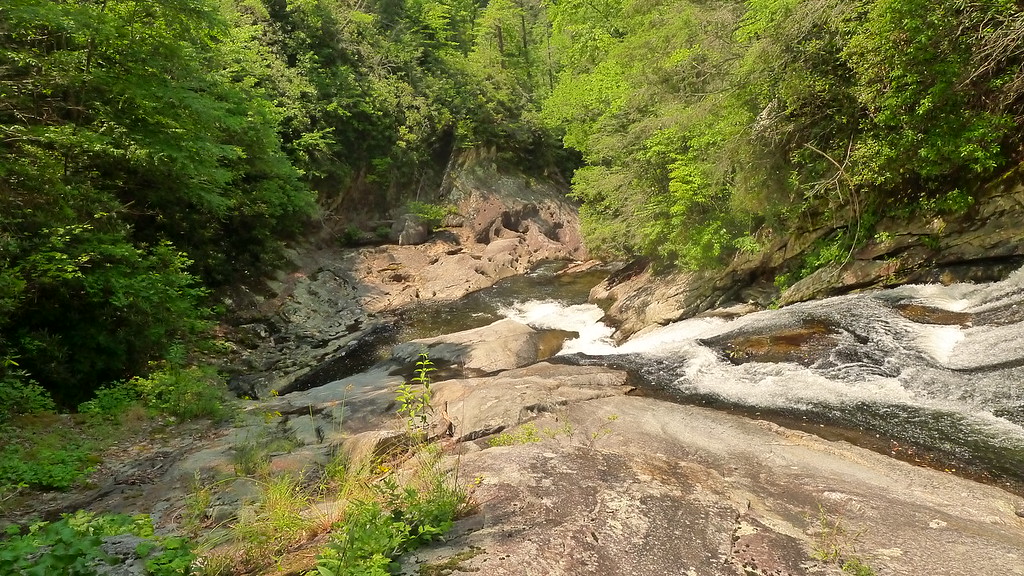
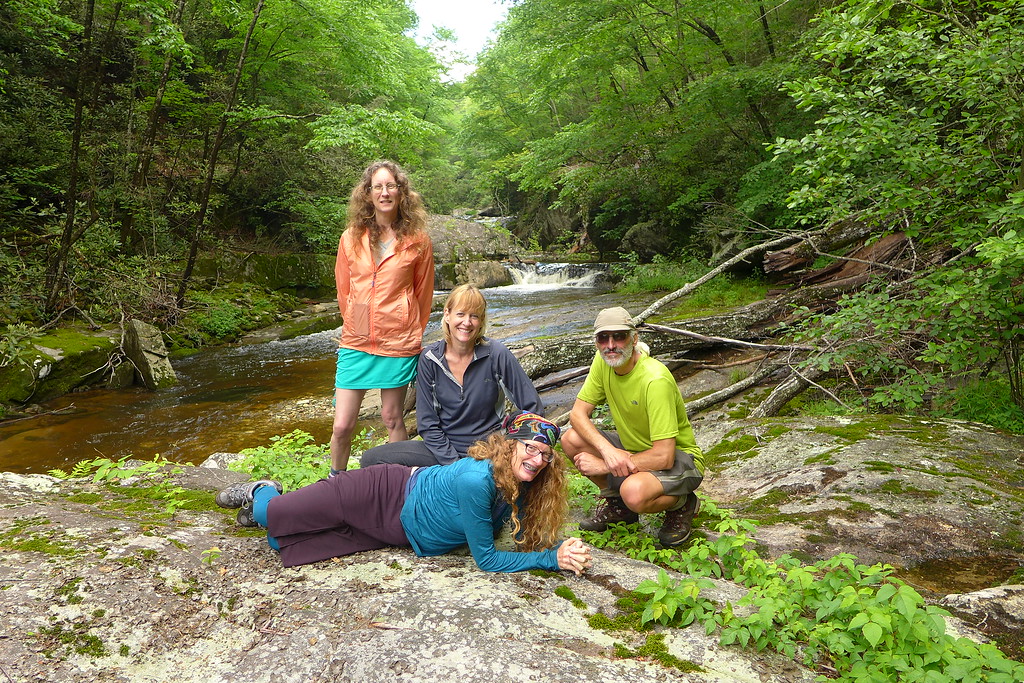
There is more water on this north route which indeed has more water, normally; than most places outside of the N. Cascades or the Olympic peninsula ;) I understand it’s been a wet calendar year but very dry since some time in /@ August. Maybe someone can chime in with some recent info? There’s a Big concentration of waterfalls in the Wilson Creek area, or really all along from around Table Rock to Grandfather Mt. My avatar is a photo of a brother and daughter in one plunge pool right beside this route on Gragg Prong which is practically one continuous waterfall. I think this route also includes Walter’s gorge in Upper Creek as a slight detour. Walter might verify that. I’d also recommend a detour to Hawksbill which entails a short road walk on a forested gravel 1.5 track USFS road.
The north route also gives you the opportunity to tag maybe more than a dozen SB6K peaks and their site linked above again has details.
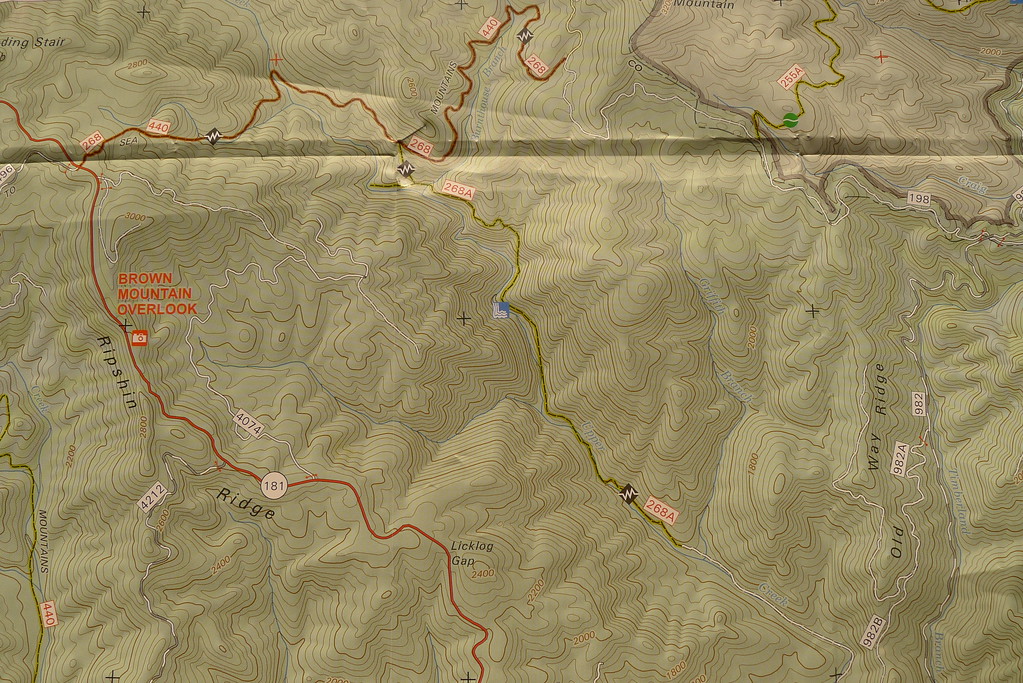
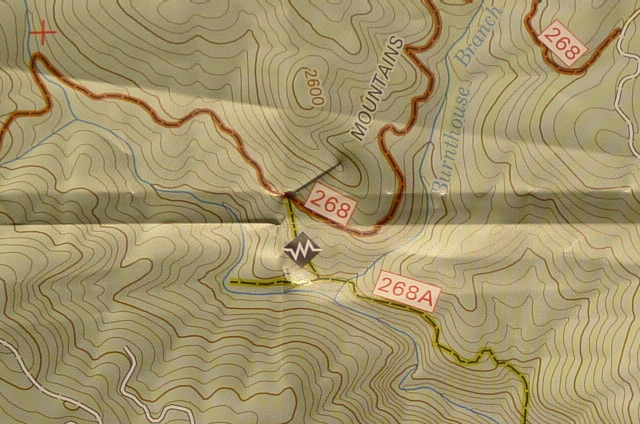
Alex is also correct that the Green Knob section is a little fuzzy; basically the last mile before it intersects the MST. People go up there from the parkway to pick berries and there are (or were) some braided trails right @ the MST junction. As you can see on the map there’s another trail up the watershed just SW of and parallel to the ridgeline route. The watershed route climbs more gradually. The ridgeline route is steep the first 2 miles and then more level. I just think the Green Knob ridgeline route is more scenic. By the time things get “fuzzy” you’re pretty close to the MST so with Gaia there shouldn’t be any problem. There are also a couple of intersections along Fork Ridge with local use trails so that stretch bears paying attention to, as does the route from the Linville River all the way to Grandfather as zooming in on the Caltopo map will show. The MST website is a good resource. As Alex noted both the MST which is also a majority of the north route, and the Art Loeb Trail are in good condition and well marked.
Your Gaia app should be able to download and incorporate any Caltopo map. May eat up some bits/memory. I find it to be a very good app with a quick fix on location.
Walter may be able to confirm I got the Upper Creek section and may have some additional insights as may Alex. I have not done most of the stretch of the MST from the Mitchell campground area to the Linville River but familiar with most of the rest.
I’d carry the bearcan in the Southern route. It’s required in the area @ Black Balsam out to Shining Rock as per: https://www.fs.usda.gov/detail/nfsnc/alerts-notices/?cid=stelprd3832543
These guys rent bearcans in Brevard: https://pvadventures.com/ Contact@pvadventures.com
The northern route any way you do it (starting at Mt. Mitchell, the Craggies or Burnsville area) is going to require a significant shuttle.
Wish there was a way to connect the AT with the Blacks. and the MST. Boy could you create some loops if the MST was connected to the AT from the Grandfather/Roan areas. Only 16 miles by road from the MST at the parkway at Grandfather to the AT crossing on 19E. There’d be possible loops all the way down to Murphy, plus I guess you could turn east off the AT and take the MST all the way to Hatteras!, or even right to my backyard!-.
These folks are doing some good work that might even help make this more possible: https://appalachian.org/
One reason I keep talking about the SB6K is that doing this “challenge” unexpectedly taught me a couple of great lessons. The first unexpected benefit was I learned to recognize the layout and arrangement of pretty much all the mountain ridges in NC; a goal I had unsuccessfully tried to accomplish by other means. But an equal and also unexpected benefit from doing this was how it really improved my ability to travel off-trail in heavily wooded mountains in situations where you often have very limited visibility and can’t rely on a landmark for orientation. It’s nice not to have to rely on a trail.